Finn Bálor’s Fatal 4-Way Win Turns SummerSlam Into a Career Reckoning
Finn Bálor defeated Damian Priest, Trick Williams and Royce Keys in the main event of WWE SmackDown on July 24, 2026, earning a SummerSlam match against Sami Zayn. The winner of Bálor versus Zayn will become the next No. 1 contender to the Undisputed WWE Championship, placing The Prince one victory away from returning to the world-title position that has defined—and frustrated—his WWE career for a decade.
The result itself was simple. The route to it was anything but. Solo Sikoa, The Usos, LA Knight and Jacob Fatu turned an already volatile Fatal 4-Way into a collision between two separate stories. Royce Keys appeared to have the match won after planting Damian Priest with the Ultimate Spinebuster, only for Fatu to pull him from the ring and drive him through the barricade. Bálor then seized the opening, hit Priest with the Sling Blade, shotgun dropkick and Coup de Grâce, and scored the deciding pinfall.
That finish made Bálor the beneficiary of chaos without making him look passive. He did not ask for The Bloodline to invade the match, and he was not protected by an ally. He survived a field containing a former world champion, the reigning United States Champion and one of WWE’s fastest-rising power wrestlers, then reacted more quickly than anyone else when the match fractured. In a multi-person contest, timing is not a loophole. Timing is the skill the stipulation is designed to test.
The deeper reason the win matters is what SummerSlam represents to Bálor. At SummerSlam 2016, he defeated Seth Rollins to become the first Universal Champion. The next night, a shoulder injury forced him to relinquish the title. WWE has repeatedly returned to that wound in Bálor’s story, but the July 24 episode made the parallel unusually direct. Before the main event, Bálor described that 2016 SummerSlam as both the best and worst night of his career and said he had spent ten years trying to regain that level of glory. By the end of the show, he had earned the opportunity to do exactly that—not by challenging for the title immediately, but by stepping onto a path that could finally place him back at the center of WWE’s championship picture.
Sponsored • Adults 18+ Only
Discover New Social Connections at Your Pace
Browse an adult-focused social platform designed for people who want to explore profiles, shared interests and new conversations without unnecessary pressure.
Availability, profile access, registration requirements and pricing vary by provider and location.
Finn Bálor’s Fatal 4-Way Win at a Glance
- Promotion: WWE
- Show: Friday Night SmackDown
- Date: July 24, 2026
- Venue: Oakland Arena
- Location: Oakland, California, United States
- Match: Finn Bálor vs. Damian Priest vs. Trick Williams vs. Royce Keys
- Stipulation: Fatal 4-Way
- Stakes: The winner advanced to face Sami Zayn in an Undisputed WWE Championship No. 1 Contender’s Match at SummerSlam
- Winner: Finn Bálor
- Method: Bálor pinned Damian Priest after the Coup de Grâce
- Major interference: Solo Sikoa, The Usos, LA Knight and Jacob Fatu became involved around ringside; Fatu directly removed Royce Keys from a likely winning position
- Official full-match upload: WWE published an 11:18 full-match presentation on its YouTube channel
- Next match: Sami Zayn vs. Finn Bálor at SummerSlam on August 1 or August 2, 2026, with the precise night subject to WWE’s final card order
- SummerSlam viewing: ESPN App with an ESPN Unlimited plan in the United States and Netflix internationally, according to WWE’s official event listing
Last updated: July 26, 2026, 12:00 CEST.
The Immediate Answer: Why Did Finn Bálor Win?
Bálor won because he was the competitor best positioned to convert the match’s final disruption into a decisive sequence. Royce Keys had created the clearest winning opportunity, but Jacob Fatu erased it. Trick Williams had come within fractions of a second of beating Bálor after avoiding the first Coup de Grâce and landing the Cyclone Boot, but Damian Priest interrupted. Priest then nearly won with South of Heaven, only for Keys to break the pin. Once Fatu took Keys out, the ring briefly belonged to Bálor and Priest. Bálor reached his finishing rhythm first.
That is an important distinction. The finish was interference-heavy, but it was not a conventional distraction roll-up. Bálor did not steal a cradle while the referee looked elsewhere. He hit a complete finishing combination on Priest and pinned him cleanly in the center of the ring. The external chaos determined which wrestlers remained available at the end; Bálor still had to execute.
From a booking perspective, the result accomplished several goals at once. It advanced Bálor’s renewed singles push. It protected Trick Williams, who was not pinned and already had a separate United States Championship program with Baron Corbin emerging. It protected Royce Keys by making outside interference, not competitive inferiority, the reason he failed. It gave Damian Priest a loss that can be traced to the match’s disorder and to his decision to launch himself into the ringside brawl. Finally, it strengthened the SummerSlam six-man tag involving Keys, Solo Sikoa, LA Knight, Jacob Fatu and The Usos.
The only participant who could take the direct fall without damaging a newly announced SummerSlam singles title defense or an ascending newcomer was Priest. Even then, WWE framed him as dangerous throughout the match. He survived Keys’ spinebuster because the sequence was interrupted, and he was caught only after multiple wrestlers had been removed from the equation. The pinfall gives Bálor a meaningful victory over a former world champion and bitter former ally, while leaving Priest’s overall credibility intact.
How the Match Was Created on SmackDown
The Fatal 4-Way did not enter the July 24 episode as a heavily promoted main event. It was created during the show after Sami Zayn confronted Raw General Manager Adam Pearce. Zayn’s complaint was rooted in recent events: he had finally won the Undisputed WWE Championship at Night of Champions, lost it to CM Punk on the July 6 episode of Raw, and then watched Cody Rhodes receive the SummerSlam title opportunity that Zayn believed should still belong to him.
Zayn asked to be added to Punk versus Rhodes, which would have converted the SummerSlam title match into a Triple Threat. Pearce refused. Instead, he offered Zayn a different route: the winner of a Fatal 4-Way between Bálor, Priest, Williams and Keys would meet Zayn at SummerSlam, with a future championship match at stake.
The setup had a useful internal logic. CM Punk had recently identified all four men as credible challengers, giving Pearce an on-screen reason to select them. Zayn, as the recently deposed champion, received a privileged position on one side of the SummerSlam eliminator. The four other contenders had to fight simply to reach him. Zayn disliked the arrangement because he believed he should already have a rematch, but he accepted it rather than lose his place on the event entirely.
That frustration is central to the SummerSlam match. Bálor enters as the wrestler trying to recover a world-title trajectory interrupted ten years earlier. Zayn enters as the wrestler who reached the summit, held the championship only briefly, and now believes the institution is already moving on. Both men are chasing restoration, but from opposite directions. Bálor wants to prove the old promise was real. Zayn wants to prove his reign was not an administrative inconvenience between more marketable champions.
SmackDown’s Main Event Carried More Than One Story
The match’s first responsibility was to identify Zayn’s opponent. Its second was to advance the Bloodline-related six-man tag at SummerSlam. Its third was to continue Bálor and Priest’s unresolved hostility. Its fourth was to provide Trick Williams with a major main-event platform without disrupting his United States Championship plans. Its fifth was to showcase Royce Keys in his hometown region.
That is a heavy workload for approximately twelve minutes of televised action. WWE solved the problem by using the Fatal 4-Way format as a narrative intersection. Each wrestler arrived carrying a different kind of tension:
- Finn Bálor carried the championship quest and the emotional SummerSlam callback.
- Damian Priest carried his history with Bálor and his frustration with WWE’s established title hierarchy.
- Trick Williams carried the confidence of the reigning United States Champion and the momentum of a breakout main-roster run.
- Royce Keys carried the Bloodline war and the support of the Oakland-area audience.
Because all four agendas were distinct, the match rarely felt like four wrestlers waiting for their assigned turn. The early exchanges established Keys as the physical problem. Priest and Bálor repeatedly found each other because their history demanded it. Williams looked for bursts of control rather than a long technical phase. Bálor used speed to exploit the gaps created by larger opponents. The structure did not require a single sustained villain control segment because alliances and targets changed every few seconds.
Sponsored • Adults 18+ Only
Create a Virtual Companion Around Your Preferences
Customize an artificial-intelligence character’s appearance, personality and conversation style for a private, personalized digital experience.
AI companions are virtual characters and are not real people. Features, subscriptions and pricing may vary by provider.
Finn Bálor’s Ten-Year SummerSlam Circle
The most compelling aspect of the story is not merely that Bálor is going to SummerSlam. It is that WWE openly framed SummerSlam as the event where his main-roster destiny split in two.
On August 21, 2016, Bálor defeated Seth Rollins at Barclays Center to become the first Universal Champion. He had reached the main roster only weeks earlier. WWE presented him as an immediate top-level force, and the victory suggested that the company viewed him as a foundational figure for the newly separated Raw brand. The achievement was historic, but the reign effectively ended before it began. Bálor suffered a right shoulder injury during the match and relinquished the championship on Raw the following night.
That injury has followed every later discussion of Bálor’s ceiling. He became an Intercontinental Champion, United States Champion, tag-team champion and two-time NXT Champion. He worked major programs, led The Judgment Day and remained one of WWE’s most reliable performers. Yet the first Universal Championship continued to function as evidence of a world-title future that never received a proper second chapter.
WWE has revisited the theme before, sometimes effectively and sometimes as a reminder without a payoff. The July 24 SmackDown segment was different because the recollection immediately affected the plot. Bálor did not simply discuss 2016 in an anniversary interview. He invoked the memory before a match that could send him into another SummerSlam world-title pathway, then won that match in the main event.
The symmetry is not perfect, and it should not be overstated. In 2016, Bálor was competing directly for a newly created world championship. In 2026, he must defeat Zayn merely to become No. 1 contender, and the eventual champion could be either CM Punk or Cody Rhodes. Still, the emotional architecture is clear. SummerSlam once represented instant arrival and immediate loss. Ten years later, it represents a chance to demonstrate that the story did not end with the injury.
There is another SummerSlam connection. At SummerSlam 2024, Bálor betrayed Damian Priest during Priest’s World Heavyweight Championship defense against Gunther. That intervention helped end Priest’s reign and transformed former partners into enemies. The July 24 finish therefore placed Bálor’s two most important SummerSlam associations in the same sequence: his own lost world-title opportunity and his role in destroying Priest’s championship run. By pinning Priest to advance, Bálor did not merely beat another contender. He moved forward through the man whose SummerSlam history he had previously sabotaged.
From Judgment Day Exile to Renewed Singles Contender
Bálor’s 2026 resurgence did not begin in Oakland. It developed through the collapse of his place in The Judgment Day. On the March 9 episode of Raw, Dominik Mysterio, Liv Morgan and the group’s other members turned on Bálor and removed him from the faction. WWE’s official WrestleMania build described the attack as the end of an almost four-year association.
The betrayal reversed the power dynamic Bálor had helped create. In 2024, he had been the conspirator who expelled Damian Priest and Rhea Ripley from the group. By 2026, he became the veteran judged expendable by the faction he had reorganized. That reversal gave him an unusually direct route back to a sympathetic singles role. He was not asking viewers to forget his betrayals. He was experiencing the same institutional cruelty he had once inflicted on others.
Bálor answered by reviving The Demon for a Street Fight against Dominik Mysterio at WrestleMania 42. The presentation restored a version of Bálor associated with major-event intensity rather than clubhouse intrigue. After WrestleMania, he continued fighting former Judgment Day allies, including JD McDonagh, and later moved to SmackDown. The brand change removed him from the faction’s weekly orbit and allowed his matches to define him again.
His recent SmackDown results created a credible progression. He competed in a June 12 King of the Ring Fatal 4-Way against Jey Uso, LA Knight and Royce Keys. Although Jey won, Bálor remained protected in the chaotic finish. He then defeated Tama Tonga on July 10 and Talla Tonga on July 17. Those victories mattered because they were not nostalgia cameos or symbolic moral wins. They were consecutive television results against physically dangerous opponents, preparing the audience to accept Bálor as the winner of a high-stakes main event.
The July 24 match therefore did not feel like an abrupt rehabilitation. It was the strongest step in a visible climb. The creative pattern has been straightforward: remove Bálor from a crowded faction, reestablish his individual identity, give him wins, remind the audience of his unfinished world-title history, and place him opposite an opponent whose own championship grievance is equally strong.
Sponsored • Adults 18+ Only
Explore a More Personal Social-Discovery Experience
Browse an adult-oriented platform that may offer profile discovery, preference-based browsing and private ways to begin new online conversations.
Profiles, features, registration terms and pricing vary by service, device and location.
Damian Priest: The Pinfall Victim With a Valid Complaint
Priest entered the Fatal 4-Way with two identities operating at once. He was a former World Heavyweight Champion with unfinished business against Bálor, and he was one-half of the reigning WWE Tag Team Champions alongside R-Truth. The main event emphasized the first identity. Backstage, Priest told Cody Rhodes that he and other contenders were tired of seeing the same names presented as the faces of the brand. That line gave the match a broader generational tension. Punk and Rhodes were not merely the champion and challenger; they represented a closed circle that Priest wanted to break.
In the ring, Priest looked like the most composed heavyweight. He neutralized Keys early, repeatedly punished Williams with strikes, and used his reach to disrupt Bálor. His decision-making was mostly sound until the ringside fight expanded. Priest attempted his version of Old School, changed direction and launched a crossbody onto the wrestlers brawling outside. The dive was spectacular, but it removed him from the ring’s central contest and exposed the weakness of multi-person match heroics: a wrestler can win the crowd and still lose control of the actual objective.
Priest recovered strongly. He stopped Williams’ attempted Trick Shot, landed a heavy clothesline and hit South of Heaven. Had Keys not intervened, Priest may have won. The finish then gave Bálor the pin over Priest, continuing their personal history without requiring a dedicated rematch.
The loss can support several future directions. Priest can return to the tag-team division without appearing to have failed in a conventional singles match. He can argue that the Bloodline chaos robbed him of a fair opportunity. He can renew his issue with Bálor if Bálor’s title pursuit continues. Most importantly, the result reminds viewers that the wound between them remains available whenever WWE needs it. Their 2024 feud produced a definitive singles victory for Priest at Bad Blood, but wrestling rivalries are rarely settled permanently when a world-title route reopens old grievances.
Trick Williams: A Main-Event Showing Without a Damaging Loss
Trick Williams entered as the reigning United States Champion and the least experienced wrestler in the match at WWE’s highest main-roster level. Commentary highlighted that disparity, but the performance was designed to show that his athletic confidence could compensate for it.
Williams’ best moments came when he transformed defense into sudden offense. He used the jumping neckbreaker to interrupt Priest’s momentum, kipped up to energize the crowd, and controlled two opponents in the corner with his stomping sequence. He also survived the match’s veteran traps. When Bálor attempted the Coup de Grâce, Williams moved and immediately answered with the Cyclone Boot for one of the match’s closest near-falls.
That sequence was especially useful because it gave Williams a visual claim to the victory. He did not simply participate until the established stars took over. He had Bálor beaten in practical terms, forcing Bálor to survive rather than merely outmaneuvering a younger opponent. Priest’s interruption protected Williams from the consequences of that near-fall, and Williams was later removed from the final decision without being pinned.
After SmackDown, Baron Corbin attacked Williams again and challenged him for the United States Championship at SummerSlam. That separate program explains why Williams did not need to advance. He already has a title match on the event, and the Fatal 4-Way allowed WWE to present him as world-title caliber without confusing the immediate direction of the United States Championship.
The one weakness in Williams’ presentation was the density of surrounding stories. His own title issue with Corbin was not part of the match itself, while the Bloodline angle consumed the finish. As a result, Williams’ performance may be remembered more as evidence of readiness than as a storyline turning point. That is still valuable. A wrestler moving from midcard champion to future world-title contender often needs exactly these matches: credible near-wins against established names, followed by a protected exit.
Sponsored • Adults 18+ Only
Explore Adult Chat on Your Own Terms
Discover an adult social-conversation service where available features may include profiles, private messaging and interest-based interaction.
Services, eligibility, registration requirements and pricing vary. Review the provider’s terms before joining.
Royce Keys: The Wrestler the Finish Protected Most Strongly
Royce Keys was the match’s physical center and the wrestler most directly protected by the finish. The Oakland-area connection gave him a local-favorite presentation, and WWE allowed him to dominate the opening seconds. He knocked down multiple opponents, used throws to establish his strength and forced the others to cooperate later in the match.
The temporary alliance that produced the superplex was a classic multi-person match device: three wrestlers acknowledge that the largest opponent cannot be controlled individually, remove him together, and then immediately resume fighting one another. For Keys, the spot communicated status. Wrestlers do not form an emergency coalition around someone who is merely filling a place in the match.
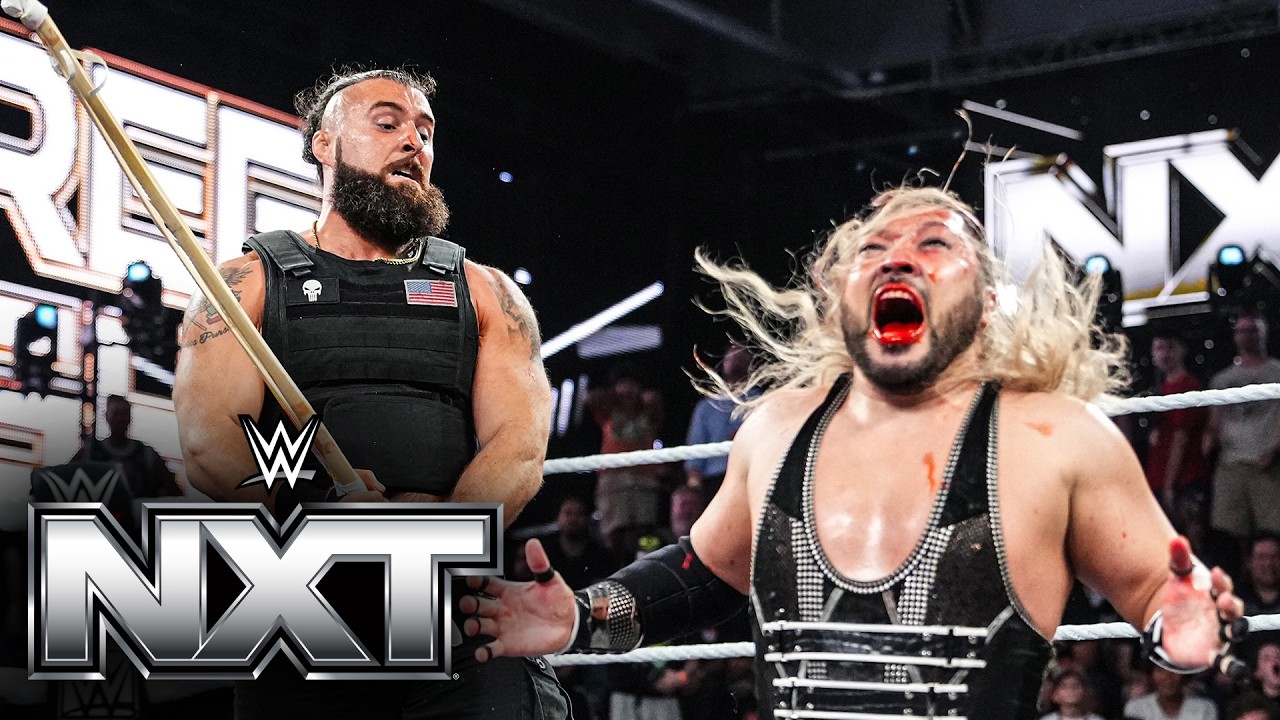
Keys also received the strongest almost-victory. After breaking Priest’s pin on Williams, he drove Priest into the ring post and hit the Ultimate Spinebuster. The referee began counting, and the sequence was presented as the probable finish until Jacob Fatu intervened. Fatu did not merely distract Keys. He physically pulled him from the ring, attacked him and drove him through the ringside barricade.
That choice served the SummerSlam six-man tag more directly than any other moment on SmackDown. Keys is scheduled to team with Solo Sikoa and LA Knight against Fatu and The Usos. By costing Keys a path to the Undisputed WWE Championship, Fatu transformed the six-man match from a factional pairing into a personal grievance. Keys can now claim that Fatu took away the biggest opportunity of his career in front of his home-region crowd.
The interference also protects Keys from comparison with the other three competitors. He did not lose because Bálor was faster, Priest was stronger or Williams was more explosive. He lost because an opponent from another match removed him after he had already produced a likely winning move. That is one of the clearest methods of protecting a rising wrestler in a multi-person defeat.
There is a risk, however. Repeated protection through interference can eventually prevent a wrestler from developing agency. Keys has already been surrounded by Solo Sikoa, LA Knight, The Usos and Jacob Fatu. His power is obvious, but his character will need choices that are not made for him by factional chaos. SummerSlam should therefore give him a moment where his decision, not someone else’s interference, determines the result.
Fatal 4-Way Rules and Why They Reward Opportunism
A standard WWE Fatal 4-Way is generally contested under no-disqualification and no-count-out conditions, with the first pinfall or submission deciding the match. The champion, when a title is involved, does not need to be pinned to lose the championship. In this SmackDown match, no title was at stake, but the same strategic problem applied: a wrestler could perform brilliantly and still lose because another competitor scored the fall.
The format rewards three abilities more than a singles match does:
- Situational awareness: A wrestler must know not only what the immediate opponent is doing but also where the other two competitors are positioned.
- Energy management: Spectacular offense can be self-defeating if it leaves the wrestler unable to stop a pin elsewhere.
- Finish recognition: The winner must identify when a temporary opening has become a true match-ending opportunity.
Bálor’s victory illustrated the third point. He did not dominate the entire match. Keys controlled more of the early physical action. Priest produced several of the most authoritative interruptions. Williams generated the closest near-fall before the finish. Bálor won because he recognized the final configuration: Keys had been removed, Williams was down, Priest was vulnerable, and no ally or rival remained in position to break the cover.
This is why the claim that “the best wrestler does not always win” in a Fatal 4-Way can be misleading. The stipulation changes the definition of best. A wrestler who controls one opponent for ten minutes but ignores the other two has not mastered the match. Bálor’s speed, ring awareness and ability to transition quickly between targets were not incidental advantages; they were the exact skills the format required.
Detailed Match Analysis: The Opening Established Royce Keys as the Problem
The match began with the expected stare-down between Bálor and Priest, but Keys immediately interrupted. That decision prevented the match from becoming a simple continuation of an old rivalry and announced that the younger powerhouse would not wait politely for the veterans to resolve their history.
Keys’ early clotheslines and throws created a hierarchy. He was the wrestler nobody could approach casually. Bálor’s speed was useful only if he avoided direct contact. Williams’ power looked less overwhelming beside Keys. Priest, the largest established star in the match, became the first wrestler capable of stopping him. The sequence gave Priest a credibility boost while preserving Keys’ initial dominance: Keys was not overwhelmed by one strike; he was neutralized only after building momentum like a runaway vehicle.
Television structure affected the audience’s experience. The match entered a picture-in-picture commercial break very early, which allowed the action to continue but reduced the impact of Keys’ opening control for viewers focused on the main advertisement. Independent reports noted that the match included two commercial interruptions despite being the show’s only men’s match and lasting roughly twelve minutes. That is a legitimate presentation criticism. WWE trusted the match to close SmackDown, but the broadcast did not give its early development uninterrupted space.
Still, the opening accomplished its central purpose. By the time full-screen coverage returned, every competitor had a reason to change strategy. Keys could no longer assume raw power would remain unchallenged. Priest knew he could match strength but had to watch Bálor. Williams needed to create speed and angles. Bálor needed to keep the larger wrestlers moving rather than allowing them to plant their feet.
Bálor and Priest’s Exchanges Carried Historical Weight
Whenever Bálor and Priest touched, the match gained a different emotional texture. Their exchanges were not presented as respectful competition. They were reminders of a partnership corrupted by ambition.
Priest attempted the Razor’s Edge relatively early, a move that would have ended Bálor’s night if completed cleanly. Bálor escaped, and commentary framed the attempt as an example of going too big too soon against a fresh opponent. The sequence worked because the move had personal resonance. Priest was not simply trying to damage Bálor; he was trying to erase him with a statement finisher.
Bálor’s response relied on movement. He avoided becoming trapped in Priest’s power game, used the Sling Blade and dropkick to create distance, and repeatedly forced Priest to turn. That is the essential stylistic contrast between them. Priest wants opponents upright and reachable. Bálor wants opponents rotating, chasing and recovering.
The match did not devote enough uninterrupted time to become a full rivalry chapter, but it did not need to. Their history functioned as connective tissue. When Bálor eventually pinned Priest, the audience understood that the result meant more than eliminating a random participant.
Trick Williams Changed the Pace
Williams’ offense arrived in explosive clusters. His delayed vertical suplex showed strength, but his more important contributions were transitions: the jumping neckbreaker, kip-up, corner stomps, Trick Slap and Cyclone Boot. These moves disrupted the established rhythm rather than controlling it for long periods.
That style suits a four-way because sustained control is difficult. A wrestler can spend too much time setting up one opponent and be attacked from behind. Williams instead created short windows where he was the only wrestler standing. Each burst allowed the crowd to respond to his charisma without requiring the match to pause for an extended character routine.
The commentary’s “least experienced” framing could have undermined him if the match had shown obvious mistakes. Instead, Williams’ one major error was universal rather than rookie-specific: he turned his attention away from Priest after gaining control. Priest punished him immediately. The lesson was not that Williams did not belong. It was that nobody, regardless of experience, can lose track of three opponents.
Bálor’s Dive Reset the Match
Bálor’s running somersault dive over the top rope onto the other three wrestlers was the first moment that clearly placed the match in his preferred tempo. Before the dive, the heavier competitors had repeatedly grounded the action. After it, all four men were outside, the crowd was fully engaged, and Bálor had created the visual impression that he could attack the entire field at once.
The dive also functioned as a transition into the Bloodline material. Solo Sikoa appeared soon afterward, shifting the audience’s attention from the four-way itself to the possibility of outside involvement. The timing was effective because Bálor had just produced a clean, self-generated momentum peak. Solo’s arrival did not rescue Bálor or interrupt his failure; it introduced a separate threat after Bálor had already established himself.
The Superplex Alliance Showed the Match’s Temporary Logic
At one point, Bálor and Priest—former partners turned enemies—cooperated to remove Keys from the top rope, with Williams becoming involved in the larger tower sequence. The moment expressed the temporary morality of a Fatal 4-Way. Hatred can be suspended for two seconds when a common obstacle becomes too dangerous.
The alliance did not imply reconciliation. It proved the opposite. Bálor and Priest understood one another well enough to coordinate without discussion, then resumed fighting because neither could tolerate the other benefiting from the cooperation. Their former teamwork remains part of their skill set even after trust has disappeared.
For Keys, requiring multiple opponents to move him reinforced his status. For Williams, the sequence allowed him to become the opportunist attempting the immediate pin. For the match as a whole, it created a natural bridge from physical escalation to the first major outside intervention.
Sponsored • Adults 18+ Only
See Which Adult Experience Is Available
Explore a location-sensitive adult offer that may lead to a social, dating, chat or AI-powered service, depending on your device and region.
The destination and available service may vary by device, region and provider. Registration, subscriptions or charges may apply.
The Bloodline Interference: Effective Storytelling or Too Much Noise?
Solo Sikoa’s arrival changed the match before he touched anyone. His presence at ringside signaled that Royce Keys had an unofficial insurance policy, even though Keys had told Solo and LA Knight earlier that he wanted to focus on winning in his hometown. The tension was immediate: would Solo help, would his presence distract Keys, or would the opposing Bloodline members respond?
The first answer came when Williams covered Keys and Solo placed Keys’ foot on the bottom rope. In a Fatal 4-Way, there are no disqualifications to prevent this kind of interference, so the action was legally survivable even if competitively unfair. Solo’s intervention preserved Keys but also compromised the idea that Keys wanted to win independently.
The Usos then arrived, and LA Knight followed by entering from the timekeeper’s area rather than the stage. That staging made Knight’s involvement feel like a tactical counterattack instead of a ceremonial entrance. The four men brawled around ringside before moving toward the back, while the official match continued.
Priest’s crossbody onto the outside group was visually impressive but narratively strange. He had no direct stake in the six-man tag rivalry, yet he chose to attack everyone because the brawl occupied the same physical space as his match. One interpretation is that Priest was clearing the environment so the contenders could finish. Another is that he allowed the spectacle outside the ring to pull him away from the actual prize. The latter interpretation better explains why Bálor, the wrestler most focused on the in-ring opportunity, ultimately won.
Jacob Fatu’s later attack on Keys was the interference that directly altered the result. Unlike Solo’s foot-on-the-rope save, Fatu’s action did not merely prolong the match. It prevented the apparent winner from completing a pinfall. Keys had hit Priest with the Ultimate Spinebuster and appeared to have the match under control. Fatu pulled him out, drove him into the steel steps and sent him through the barricade with a running attack.
As an angle for the SummerSlam six-man tag, the attack was productive. It gave Keys a specific target and made Fatu appear dangerous enough to wreck a world-title opportunity by himself. As a finish to a No. 1 contender qualifier, it also made the match heavily dependent on a separate feud. Viewers who wanted the four contenders to determine the result without outside involvement could reasonably see the final minutes as overbooked.
The correct evaluation depends on what the match was supposed to achieve. As a pure test of four contenders, the interference diluted the result. As a television main event designed to send multiple SummerSlam stories forward, it was efficient. WWE chose the second objective.
The Finishing Sequence: Why It Worked
The final sequence was built as a chain of almost-winners. Each near-fall transferred the match’s control to a different wrestler, and each interruption removed the previous favorite.
- Trick Williams avoided the Coup de Grâce and hit the Cyclone Boot, nearly pinning Bálor.
- Damian Priest stopped Williams, hit South of Heaven and appeared ready to win.
- Royce Keys broke the cover, sent Priest into the post and landed the Ultimate Spinebuster.
- Jacob Fatu removed Keys from the match and attacked him through the barricade.
- Bálor returned, hit Priest with the Sling Blade and shotgun dropkick, then completed the Coup de Grâce for the pin.
The sequence worked because no wrestler disappeared arbitrarily. Williams lost control because Priest attacked. Priest lost control because Keys attacked. Keys lost control because Fatu attacked. Bálor won because the chain ended with no fourth wrestler positioned to stop him.
Bálor’s first missed Coup de Grâce also improved the finish. If he had climbed once and won immediately, the match would have portrayed his finisher as inevitable but reduced Williams’ threat. By making Bálor miss, WWE allowed Williams to create a genuine near-fall and forced Bálor to earn a second attempt. The successful Coup de Grâce therefore felt like an adjustment rather than repetition.
Pinning Priest was the strongest available choice for Bálor. Priest is a former world champion with a documented victory over Bálor at Bad Blood 2024. A pin over him carries more historical weight than a pin over Keys or Williams. It also allows WWE to present Bálor’s win as partial revenge without claiming that their larger rivalry has been fully resolved.
The ending was not a definitive statement that Bálor was superior to all three opponents. Fatal 4-Way matches rarely deliver that kind of clarity. It was a statement that Bálor remained dangerous enough to survive changing conditions and finish an elite opponent when the opening appeared.
Did the Finish Protect Everyone Too Carefully?
Modern WWE multi-person matches often try to preserve every participant. That can create exciting sequences, but it can also make the winner feel less decisive. This match approached that line.
Keys was protected by Fatu’s attack. Williams was protected by not taking the fall and by scoring a near-fall on Bálor. Priest was protected by nearly winning and by absorbing Bálor’s full finishing sequence only after extensive chaos. Bálor was protected from losing, obviously, but his victory was also framed as opportunistic rather than dominant.
The advantage of this approach is that WWE leaves several stories viable. The disadvantage is that nobody except Bálor experiences a clear competitive consequence. In a promotion where wrestlers frequently move between divisions and storylines, that flexibility is valuable. In a sport-like presentation, however, losses need meaning. If every defeat is explained away, victories lose force.
Bálor’s recent winning streak reduces that concern. He did not arrive in the match cold and escape with one lucky result. He had already defeated Tama Tonga and Talla Tonga in consecutive weeks. The Fatal 4-Way was the next step in a sequence of evidence. The interference complicated the win, but it did not create his momentum from nothing.
Sponsored • Adults 18+ Only
See a Personalized Adult Entertainment Offer
Open an adult-oriented offer selected according to availability, region and device. The destination may feature social, chat, dating or AI-powered entertainment.
The destination and available features vary. Registration, subscriptions, age verification or charges may apply.
Why Bálor Was the Right Winner
Each participant could have produced a plausible SummerSlam match with Sami Zayn, but Bálor offered the richest combination of history, style and current momentum.
Why Not Damian Priest?
Priest versus Zayn would have been credible, but Priest already holds a tag-team championship and has a partner whose story depends on him. Moving Priest directly toward another singles world-title opportunity could have made the tag titles feel temporary. Priest also lacks Bálor’s specific ten-year SummerSlam connection.
Why Not Trick Williams?
Williams versus Zayn has recent history because Williams won the United States Championship from Zayn. That would have provided a direct rematch dynamic. However, WWE had already positioned Baron Corbin as Williams’ SummerSlam challenger. Advancing Williams would either have overloaded him with two matches or displaced the United States title program.
Why Not Royce Keys?
Keys winning in Oakland would have produced the loudest local moment and accelerated him dramatically. Yet his SummerSlam role is tied to the Bloodline six-man tag. A world-title eliminator against Zayn might have distracted from a rivalry WWE has spent weeks developing. The interference loss lets Keys look ready without forcing WWE to choose between two major directions.
Why Bálor?
Bálor has no current championship to defend, a clear singles hot streak, a fresh position on SmackDown and a career story that naturally points to SummerSlam. He also gives Zayn an opponent who can work as either a respected rival or a subtly ruthless threat. Bálor’s recent babyface presentation does not require a friendship angle, and Zayn’s growing resentment gives the match emotional friction without a forced heel turn.
Most importantly, Bálor can credibly challenge either possible Undisputed WWE Champion. A Bálor match against CM Punk would revisit their 2026 rivalry and Punk’s criticism that The Judgment Day had dragged Bálor down. A Bálor match against Cody Rhodes would offer a fresh main-event singles pairing built around two veterans whose WWE journeys took radically different routes.
Sponsored • Adults 18+ Only
Find a Social Platform That Fits Your Interests
Explore adult-oriented profiles and conversation tools through a service built for users who prefer to browse, compare features and connect on their own terms.
Registration or payment may be required. Features and access depend on the provider and the user’s location.
Sami Zayn’s Side of the Story
Bálor’s victory only explains half of the SummerSlam match. Zayn’s position is equally important because he is not entering as a neutral gatekeeper. He is entering as an angry former champion who believes WWE’s decision-makers treated his title reign as a temporary disruption.
At Night of Champions 2026, Zayn defeated Cody Rhodes and Gunther in a Triple Threat Match to win the Undisputed WWE Championship, the first world championship of his WWE career. The victory was the culmination of years spent near the top without receiving the central prize. Yet the reign quickly became unstable.
Rhodes earned a rematch opportunity by defeating Jey Uso. When Rhodes was unable to compete on July 6 after an attack by Gunther, CM Punk stepped into the title match and defeated Zayn. WWE then moved to Punk versus Rhodes at SummerSlam, leaving Zayn outside the championship match less than three weeks after he had been champion.
Zayn’s July 24 complaint therefore had factual substance. He was not inventing exclusion. He had won the title, defended on short notice and lost to a substitute challenger, after which another wrestler received the premium-event opportunity. His argument became less sympathetic only when he implied that he should be inserted into the match without earning the position. Pearce’s solution acknowledged the grievance while refusing to overturn the announced title match.
This creates a useful character tension. Zayn is right about the system moving quickly past him, but entitlement can distort a valid complaint. Bálor is also right to believe he deserves a path back, but his path now runs through a man who sees every new contender as evidence that management never wanted him to succeed.
The SummerSlam match does not need a simple hero-villain structure. It can operate as a contest between two wrestlers with legitimate grievances and incompatible solutions. Bálor’s restoration requires defeating Zayn. Zayn’s restoration requires proving that his championship reign was not an accident by defeating the contender WWE selected from Punk’s list.
Finn Bálor vs. Sami Zayn: The Stylistic Matchup
Bálor and Zayn are similar enough to produce fluid exchanges but different enough to avoid mirror-match repetition. Both rely on timing, movement and sudden bursts. Neither needs to dominate through size. Both can work from underneath, and both are experienced at shifting between sympathetic resilience and sharper aggression.
Bálor’s Advantages
- Direct finishing threat: The shotgun dropkick into the Coup de Grâce is a compact sequence that can end a match quickly.
- Body targeting: Bálor is effective at attacking the torso and ribs, which could limit Zayn’s explosive Helluva Kick setup.
- Defensive awareness: His Fatal 4-Way victory demonstrated an ability to recover after missed high-risk offense.
- Current momentum: Bálor has accumulated recent television victories and enters SummerSlam as an advancing contender rather than a former champion trying to stop a slide.
Zayn’s Advantages
- Improvisation: Zayn is one of WWE’s strongest wrestlers at turning broken sequences into counters.
- Corner offense: The Helluva Kick can punish Bálor’s habit of creating distance near the turnbuckles.
- Big-match endurance: Zayn’s world-title run and years of main-event experience make him difficult to finish with one conventional sequence.
- Emotional urgency: His belief that this is his last immediate route back to the title could produce a level of aggression Bálor has not yet faced during the current streak.
The likely psychological center is the corner. Bálor uses the shotgun dropkick to drive opponents into the turnbuckles before the Coup de Grâce. Zayn uses the opposite corner to accelerate into the Helluva Kick. Whoever controls positioning will control the finishing phase.
Zayn’s Blue Thunder Bomb can also become an important near-fall because Bálor’s compact frame allows the move to look especially explosive. Bálor’s 1916 offers a counterpoint: a sudden planted finish that does not require the top rope. If Zayn consistently avoids the Coup de Grâce, Bálor can shift to a grounded route.
The match should avoid excessive interference. Both wrestlers reached SummerSlam through disputed circumstances, and the No. 1 contender needs a result strong enough to support a future title challenge. A clean or mostly clean finish would give the winner more authority than another faction-driven escape.
Bálor and Zayn’s Previous WWE Singles History
Bálor and Zayn have shared WWE history for more than a decade, but they have not been defined by a long one-on-one rivalry. One important televised singles meeting occurred on the April 8, 2019 episode of Raw, when Zayn returned from injury and answered Bálor’s Intercontinental Championship open challenge. Bálor retained, after which Zayn revealed a more antagonistic character direction in a lengthy address to the audience.
That match matters as a historical reference because it captured both men at different transitional points. Bálor was a defending secondary champion. Zayn was returning with a changed personality and no immediate title position. In 2026, the roles are more balanced. Both are former world champions in the logic of the current story—Zayn through his recent Undisputed WWE Championship reign and Bálor through his 2016 Universal Championship achievement—and both are seeking entry to the same title picture.
Their shared NXT legacy also adds depth. Zayn helped establish early WWE Network-era NXT as a destination for long-form, emotionally driven matches. Bálor succeeded him as one of the brand’s defining champions and expanded its international identity. A SummerSlam meeting between them is therefore not only a current SmackDown story. It is a meeting between two central figures from the generation that turned NXT into WWE’s most influential talent pipeline.
That history should inform the presentation without consuming it. The audience does not need a documentary package covering every NXT milestone. A few precise references—to Zayn’s fight for recognition, Bálor’s historic championship rise and their 2019 Intercontinental title match—would be enough to make the contest feel earned.
The Undisputed WWE Championship Picture
The winner of Bálor versus Zayn will not know the identity of the champion until CM Punk and Cody Rhodes complete their SummerSlam title match. That uncertainty creates four plausible future combinations:
Finn Bálor vs. CM Punk
This pairing has the most direct 2026 continuity. Punk previously challenged Bálor’s complacency and argued that The Judgment Day had diminished him. Bálor’s subsequent exile and resurgence could be framed as proof that Punk’s criticism was correct but incomplete. Punk may have identified the problem, but Bálor would want to prove he—not Punk—deserves credit for the recovery.
A title match would also contrast Punk’s verbal control and strategic pacing with Bálor’s movement and precision. It could be presented as a battle between a champion who believes he sees through everyone and a challenger who has rebuilt himself after being publicly diagnosed as stagnant.
Finn Bálor vs. Cody Rhodes
Bálor versus Rhodes would be fresher and more symbolic. Both left major American wrestling systems at different times to redefine themselves. Both returned to WWE with stronger identities. Rhodes completed his world-title story; Bálor’s remains incomplete. The match could ask whether perseverance eventually guarantees restoration or whether some opportunities truly cannot be recreated.
Rhodes also interacted with Priest before the Fatal 4-Way, claiming confidence that he would leave SummerSlam as champion. If Bálor defeats Zayn and Rhodes defeats Punk, the SmackDown main event will have created the challenger while the SummerSlam title match creates the champion.
Sami Zayn vs. CM Punk
This would be a direct rematch of the July 6 title change. Zayn could argue that Punk benefited from an extraordinary substitute opportunity and that SummerSlam qualification earned him the fair rematch he was denied. The story would be easy to understand and emotionally justified.
Sami Zayn vs. Cody Rhodes
This pairing would revisit Night of Champions and the interrupted rematch path. Rhodes could claim that Zayn’s title win came in a Triple Threat where the champion did not have to be defeated in a traditional one-on-one framework. Zayn could respond that he already beat the field and then fought through an unfair schedule. Their match would be less about first-time achievement and more about establishing which wrestler’s claim to legitimacy is stronger.
All four combinations are viable, which is one reason the SummerSlam eliminator is more than filler. The result meaningfully changes the post-event championship story.
Sponsored • Adults 18+ Only
Build a More Personalized AI Character
Choose traits, interests and conversation preferences to create a virtual AI companion designed around the kind of digital interaction you enjoy.
This service uses artificial-intelligence characters, not real people. Provider terms, subscriptions and available tools differ.
What the Result Means for the Bloodline Six-Man Tag
The Fatal 4-Way made the SummerSlam six-man tag more personal, but it also exposed instability within the team of Solo Sikoa, LA Knight and Royce Keys. Solo’s decision to help Keys may look supportive, yet it contradicts Keys’ desire to focus on winning by himself. Knight’s warning that Keys should not overlook The Bloodline proved accurate. Keys did not overlook them; they invaded his match anyway.
Jacob Fatu’s attack was the decisive escalation. Fatu had already been involved in tensions with Solo and Keys, but costing Keys a No. 1 contender pathway gives the rivalry a measurable loss. Championship opportunities are the currency of WWE stories. By taking one away, Fatu did more than win a brawl.
The Usos and Knight also continued their own conflict without determining the Fatal 4-Way directly. Their brawl moved toward the back, leaving Fatu to make the final intervention alone. That detail matters because it presents Fatu as the most destructive independent actor in the faction. He did not need the twins beside him to change the result.
For the SummerSlam match to capitalize on this setup, Keys should confront Fatu directly. If the six-man becomes dominated by Solo’s family politics or Knight’s star power, the most important consequence of the SmackDown main event will be lost. Keys was the wrestler robbed. His response should drive at least one major phase of the match.
What the Result Means for Damian Priest and R-Truth
Priest’s tag-team championship with R-Truth creates a separate obligation. SmackDown had already established that they were due to face the War Raiders the following week rather than on July 24. The backstage comedy with Truth contrasted with Priest’s serious championship ambition, illustrating the unusual balance of their team.
The Fatal 4-Way loss may push Priest back toward the tag division, but it should not erase his singles goals. His promo to Cody suggested dissatisfaction with WWE’s reliance on the same main-event names. That theme can continue even while he defends a tag title. In fact, the tag championship gives Priest evidence for his complaint: he is a current champion who still believes he is viewed as secondary to Punk and Rhodes.
Bálor pinning Priest can also create tension within Priest’s team. Truth’s comedic interpretation of The Judgment Day and his affection for past partners has repeatedly complicated Priest’s serious demeanor. If Truth treats the loss lightly, Priest may become frustrated. WWE should use that dynamic carefully; the team’s appeal depends on warmth, but Priest’s world-title credibility depends on him caring deeply about missed opportunities.
What the Result Means for Trick Williams and the United States Championship
Williams left SmackDown with two truths. He proved he could compete in a world-title eliminator, and he still had to defend his current championship against Baron Corbin at SummerSlam.
The Fatal 4-Way can strengthen the Corbin match if Corbin argues that Williams lost focus by chasing the WWE Championship while holding the United States title. Williams can counter that a champion should pursue every available challenge. That is a stronger conflict than a generic ambush-and-response program because it connects Corbin’s attack to Williams’ ambition.
Williams’ performance also raised expectations. A near-fall on Bálor after avoiding the Coup de Grâce makes him look capable of winning at the top level. If his SummerSlam title defense is brief or overly dependent on outside involvement, the momentum from Oakland could be wasted. The Corbin match should allow Williams to show the same explosive counters and crowd control that made him stand out in the four-way.
What the Result Means for Royce Keys
Keys now owns the strongest grievance but not the official victory. That position is often useful for a rising wrestler because it creates urgency without forcing an immediate championship push. The next step is presentation: WWE must show that Keys understands what was taken from him.
A backstage reaction, a direct promo on Fatu or an aggressive opening in the SummerSlam six-man would all reinforce the loss. Silence would not. If Keys simply resumes teaming with Solo and Knight, the Fatal 4-Way becomes something that happened to him rather than a moment that changed him.
Longer term, the match demonstrated that Keys can be placed with former world champions and current titleholders without looking out of scale. His power spots were believable, the audience responded to him, and the finish treated his success as dangerous enough to require sabotage. Those are strong indicators of future positioning, even though they do not guarantee a specific push.
Sponsored • Adults 18+ Only
Find an Adult Chat Platform That Suits You
Explore a conversation-focused adult service where available tools may include profile browsing, private chat and interest-based social features.
Eligibility, messaging access, registration requirements and pricing differ between providers.
Critical Reception: A Strong Main Event on an Uneven Show
Independent reviews generally treated the Fatal 4-Way as one of the stronger parts of the July 24 SmackDown, while expressing reservations about the episode’s overall pacing and the amount of talking before SummerSlam.
PWTorch’s coverage recorded Bálor’s win at approximately twelve minutes and praised the continuation of his hot streak, while also noting that SmackDown featured only one men’s match and placed two commercial breaks inside it. POST Wrestling likewise listed the match at just over twelve minutes and emphasized that Keys’ hometown entrance was not shown on the USA Network broadcast, even though he was central to the match’s local appeal.
Cageside Seats gave the overall episode a notably negative assessment, criticizing the lack of heat in several stories while recognizing the main event as worthwhile. That divide is useful. A good main event does not automatically make a good episode, and an uneven episode does not make the main event unsuccessful.
The match’s strongest critical point was efficiency. It established four wrestlers, advanced two SummerSlam matches, paid off Bálor’s pre-match promo and produced several convincing near-falls. Its weakest point was overpopulation. The appearance of six additional wrestlers around a four-person match made the finish feel less like a contender test and more like a SummerSlam traffic junction.
A fair assessment is that the match succeeded as WWE television more clearly than it succeeded as isolated competitive drama. Viewers following the weekly stories received multiple developments. Viewers seeking a clean determination among four contenders received a compromised result.
The Oakland Crowd and the Importance of Place
Oakland mattered because Royce Keys was presented as the local favorite in the East Bay. WWE commentary repeatedly highlighted the connection, and the audience responded to his power offense. Yet the broadcast reportedly omitted his entrance, limiting the opportunity to make the hometown presentation feel complete.
That is a small production decision with a larger effect. Wrestling uses location to create emotional stakes quickly. A hometown entrance allows the crowd to establish a relationship with a wrestler before the bell. Omitting it while later referring to the local connection asks the audience to supply emotion that the broadcast did not fully show.
The match itself restored some of that missing emphasis. Keys dominated early, received the most protected near-fall and was attacked through the barricade. The live audience could react to the injustice directly. For television viewers, however, the local story would have been stronger if the entrance and crowd response had been included.
Bálor also benefited from the audience’s rising energy. His dive brought the building to life, and the finishing sequence produced the kind of escalating reaction a television main event needs. The crowd did not have to choose one exclusive favorite. Keys represented local pride; Williams carried a popular chant; Priest had established-star recognition; Bálor had the comeback narrative.
Production and Commentary
Joe Tessitore and Wade Barrett framed the match around opportunity rather than technical dominance. Barrett’s observation that the best wrestler does not always win a Fatal 4-Way became the thesis of the finish. Bálor won by being available at the correct instant, while Keys—arguably the wrestler closest to a decisive victory—was removed by someone outside the match.
Commentary also emphasized specific identities: Keys’ power, Bálor’s speed, Priest’s striking and composure, and Williams’ athletic gifts. That division of attributes helped viewers track the action. In a four-way match, clear characterization is more useful than calling every move because the visual field changes too quickly.
The commentary occasionally leaned into exaggerated praise, especially around Keys’ inevitable rise and Priest’s status as one of the best strikers in the game. Such language is common in WWE presentation, but an analytical viewer should treat it as promotional framing rather than objective ranking.
The commercial layout was the larger production problem. An early picture-in-picture break interrupted the opening power story, and a second break arrived after Solo’s entrance. Picture-in-picture preserves continuity, but it reduces sound, scale and focus. In a match whose psychology depended on crowd reactions and shifting ringside threats, the loss of full-screen attention mattered.
Sponsored • Adults 18+ Only
Start a Different Kind of Evening Conversation
Explore an adult social service with conversation and discovery features for users interested in meeting new people online.
No response or connection is guaranteed. Eligibility, features and costs vary by provider.
How This Match Fits WWE’s Recent Fatal 4-Way Booking
WWE has repeatedly used Fatal 4-Way matches to accelerate championship stories without committing to lengthy qualifying tournaments. The format allows several contenders to remain active, gives the winner a significant result and protects wrestlers who are not pinned. The January 24, 2026 edition of Saturday Night’s Main Event offered a direct comparison: Sami Zayn defeated Randy Orton, Damian Priest and Trick Williams in another Undisputed WWE Title No. 1 Contender’s Fatal 4-Way.
That earlier match and the July 24 SmackDown main event shared two participants in Priest and Williams, but the finishes emphasized different qualities. In January, Zayn emerged through resilience and the Helluva Kick after surviving a sequence involving Orton and Priest. In July, Bálor emerged through timing after Bloodline interference removed Keys. The repetition is not accidental. WWE has used the stipulation to define the current title scene as crowded and unstable, where one moment can move a wrestler from the middle of the pack to the front of the line.
There is also a useful story parallel between Zayn and Bálor. Both reached the SummerSlam eliminator by winning a Fatal 4-Way involving Priest and Williams. Zayn did it in January to challenge Drew McIntyre at Royal Rumble. Bálor did it in July to earn the right to face Zayn. The path creates an implicit test: Zayn must now defend the privileged position he once earned through the same kind of chaos.
The risk of repeated four-way qualifiers is that contenders can begin to feel interchangeable. WWE avoided that problem here by giving each participant a separate narrative. The match was not simply four names drawn from a ranking. Bálor had a comeback story, Priest had a hierarchy complaint, Williams had a current title reign, and Keys had a faction war. The stories were crowded, but they were distinct.
Historical Comparison: Bálor’s 2016 Breakthrough and 2026 Rebuild
The difference between Bálor in 2016 and Bálor in 2026 is not merely age or experience. It is the difference between institutional momentum and self-reconstruction.
In 2016, WWE accelerated Bálor immediately. He arrived on Raw, defeated established stars and entered the match to crown the first Universal Champion. The company’s confidence was visible in the speed of the push. Bálor did not have to convince the audience that he belonged because the booking treated belonging as settled.
In 2026, he carries the burden of accumulated history. The audience knows he once reached the summit. It also knows that he spent years in secondary title programs, tag teams and faction politics. A late-career push must answer a harder question than a debut push: why now?
The current answer is coherent. Judgment Day expelled him. The Demon returned. Bálor won at WrestleMania 42, fought through the remaining faction ties and moved to SmackDown. He then began winning television matches. The Fatal 4-Way did not ask viewers to pretend the previous decade never happened. It used the decade as the reason the opportunity mattered.
That makes the SummerSlam match emotionally different from 2016. Bálor is not the unknown future arriving early. He is the established veteran attempting to recover an opportunity that history did not allow him to develop. The pressure is heavier because the outcome will be interpreted as a statement about whether WWE truly intends to return him to the world-title level or merely use the memory of 2016 to add drama to another contender’s path.
Could Bálor’s Win Be a False Dawn?
Wrestling audiences are understandably cautious when an established performer receives a sudden reminder of an old world-title story. WWE can create emotional investment through callbacks without intending a championship payoff. Bálor’s July 24 victory is meaningful, but it is not proof that he will win at SummerSlam or capture the Undisputed WWE Championship.
Three signs suggest the push is more substantial than a one-night tease:
- He has won multiple consecutive television matches.
- His character direction changed months before the qualifier, beginning with The Judgment Day betrayal and WrestleMania program.
- WWE connected his current objective to a specific historical wound rather than using generic “momentum” language.
Three signs advise caution:
- He still must defeat Zayn before receiving a title match.
- Zayn’s recent championship story may be the more urgent narrative.
- The Fatal 4-Way win depended on extensive outside interference, leaving room for WWE to present Bálor as fortunate rather than inevitable.
The most accurate conclusion is that Bálor has entered a real contender phase. Whether that phase becomes a championship program depends on SummerSlam. The qualifier increased his status; it did not complete the restoration.
Sponsored • Adults 18+ Only
Shape a Virtual AI Companion Around Your Style
Customize a virtual artificial-intelligence character’s appearance, personality traits and conversation preferences for a private digital experience.
AI companions are virtual characters, not real people. Features, subscriptions and prices vary by provider.
What a Bálor Victory at SummerSlam Would Accomplish
If Bálor defeats Zayn, WWE will have converted the ten-year callback into a forward-moving championship story. The win would give him consecutive victories over Priest and Zayn, two former world champions in current continuity, and provide a strong foundation for a title challenge.
A Bálor victory would also validate his post-Judgment Day identity. The faction betrayal would no longer be merely a revenge story that ended at WrestleMania. It would become the event that released him from a structure limiting his singles ambitions.
Against Punk, Bálor could pursue a title held by the man who challenged his complacency. Against Rhodes, he could confront the wrestler who became WWE’s central comeback success while Bálor remained outside the top championship scene. Either direction would be meaningful.
The result would be harsh for Zayn, however. He would have gone from champion to losing a qualifying match within one month, reinforcing his complaint that WWE moved on quickly. That could be intentional if the story is moving Zayn toward bitterness, but it would need careful follow-up. A frustrated character can be compelling; a character repeatedly proven correct about institutional disregard can become difficult to present as unreasonable.
What a Sami Zayn Victory Would Accomplish
If Zayn wins, SummerSlam becomes a step toward reclaiming the title rather than Bálor’s restoration. Zayn would defeat the hottest available contender and prove that his recent championship reign did not represent a temporary peak.
The victory would support a rematch with Punk or a renewed rivalry with Rhodes. It would also justify Pearce’s decision to make Zayn earn the position rather than inserting him directly into the title match.
For Bálor, a loss would not erase the Fatal 4-Way win, but it would weaken the ten-year story. WWE would need to show that the journey continues rather than allowing the SummerSlam callback to disappear. A competitive loss followed by another major program could preserve the rebuild. A clean loss followed by a return to midcard or tag-team activity would make the July 24 framing feel more like emotional decoration than genuine direction.
Prediction: Who Has the Stronger Case at SummerSlam?
This is editorial analysis, not a report of WWE’s plans. Based on the story presented through July 26, Bálor has the stronger momentum case, while Zayn has the stronger grievance case.
Bálor’s arc is rising. He has been winning, his character has been refreshed and WWE explicitly connected the match to a decade-long objective. Zayn’s arc is descending but emotionally intense. He won the championship, lost it quickly and is now being asked to fight for the rematch position he believes should already be his.
WWE could reasonably choose Bálor to create a new title challenger and push Zayn deeper into frustration. That outcome would maximize the July 24 main event’s purpose. It would also provide a direct payoff to the 2016 SummerSlam callback.
Zayn remains dangerous because his story is closer to the championship. A rematch against Punk is immediately available, and a match against Rhodes would revisit Night of Champions. If WWE wants the post-SummerSlam title program to be about disputed legitimacy, Zayn is the cleaner choice.
The prediction here is Finn Bálor to defeat Sami Zayn narrowly, most likely by surviving the Helluva Kick setup and completing the shotgun dropkick–Coup de Grâce sequence. The confidence level should be moderate rather than high. Zayn’s recent title loss gives WWE a strong reason to protect or advance him.
Why the Official Full-Match Upload Matters
WWE labeled the YouTube release as a full match and published an 11:18 presentation. Independent show reports timed the televised contest at approximately twelve minutes, suggesting that the upload contains the substantive match rather than a brief highlights package, though broadcast transitions and commercial-break presentation may differ.
Publishing the full match serves several promotional purposes. First, it allows viewers who missed SmackDown to understand why Bálor is facing Zayn. Second, it gives SummerSlam promotion a self-contained piece of evidence: Bálor did not receive the match through an announcement alone; the audience can see him earn it. Third, it extends the lifespan of a television main event beyond the original broadcast window.
The upload also preserves details that short highlights could lose. The match’s argument depends on cumulative timing—the early Keys dominance, the Bálor-Priest history, Williams’ near-fall, the ringside brawl and Fatu’s decisive attack. A one-minute clip would show the interference and finish but not explain why the other wrestlers appeared close to winning.
For WWE’s international audience, YouTube remains an important discovery platform even as the company directs live viewing to ESPN in the United States and Netflix in many international markets. The full-match strategy turns weekly television into searchable long-tail content around wrestler names, match results and SummerSlam qualification.
Business and Brand Context Without Overreading the Booking
It is tempting to interpret every Bálor victory as evidence of a corporate plan to elevate him for a specific market or media objective. The available public evidence does not support that level of certainty. What can be observed is simpler: WWE has placed him on SmackDown, given him consecutive wins, used him in a television main event and promoted his SummerSlam history.
Those choices indicate current creative investment. They do not confirm a championship win, contract strategy or long-term brand plan. No reliable public source used for this article establishes that Bálor is scheduled to defeat Zayn or challenge the SummerSlam champion.
The same caution applies to Royce Keys. His hometown presentation and protected loss suggest WWE sees value in him, but they do not prove an imminent world-title push. Trick Williams’ current United States Championship reign demonstrates strong positioning, but his near-fall on Bálor should not be treated as a hidden announcement. Priest’s pinfall loss does not establish a demotion while he remains a tag-team champion.
Responsible wrestling analysis should distinguish pattern from certainty. The pattern is clear: Bálor is being rebuilt as a singles contender. The final destination is not.
Five Key Takeaways From the Match
- Finn Bálor’s singles push is now measurable. The win adds a high-stakes main event result to consecutive victories over Tama Tonga and Talla Tonga.
- SummerSlam 2016 is officially part of the current story. WWE used Bálor’s pre-match promo to connect the qualifier with the injury-shortened Universal Championship reign.
- Royce Keys was protected more than any losing participant. He appeared to have Priest beaten before Jacob Fatu removed him.
- Trick Williams is being presented above a conventional midcard ceiling. The United States Champion came close to pinning Bálor and did not take the fall.
- The SummerSlam No. 1 contender match should produce a clean answer. After a qualifier dominated by outside involvement, Bálor versus Zayn needs competitive clarity.
Sponsored • Adults 18+ Only
Discover an Adult Experience Matched to Availability
See an adult-oriented entertainment option selected for your region and device, which may include social discovery, chat, dating or virtual AI features.
The destination varies by region, device and provider. Registration, subscriptions or charges may apply.
Related Matches Worth Watching
Finn Bálor vs. Seth Rollins — SummerSlam 2016
This is the essential historical match. Bálor became the first Universal Champion, suffered the shoulder injury that forced him to relinquish the title and created the career question that the 2026 story now revisits.
Finn Bálor vs. Damian Priest — Bad Blood 2024
Priest defeated Bálor in the major singles confrontation following The Judgment Day split. Watching it adds context to why Bálor pinning Priest in Oakland carried more weight than an ordinary four-way fall.
“The Demon” Finn Bálor vs. Dominik Mysterio — WrestleMania 42
This Street Fight represents the beginning of Bálor’s current rebuild after his expulsion from The Judgment Day. It restored The Demon and redirected him toward singles competition.
Jey Uso vs. LA Knight vs. Finn Bálor vs. Royce Keys — SmackDown, June 12, 2026
The King of the Ring qualifier offers a useful comparison. It includes Bálor and Keys, features Solo Sikoa’s involvement and shows how both men were positioned before the July 24 main event.
Sami Zayn vs. Finn Bálor — Raw, April 8, 2019
The Intercontinental Championship match is an earlier one-on-one meeting between the SummerSlam opponents. It also marked Zayn’s return and character transformation.
Sami Zayn vs. Randy Orton vs. Damian Priest vs. Trick Williams — Saturday Night’s Main Event, January 24, 2026
Zayn won this Fatal 4-Way to become No. 1 contender, creating a direct structural parallel with Bálor’s July victory.
Readers looking for more context can also explore our latest WWE match analysis, complete SmackDown results archive, SummerSlam 2026 event guide and Finn Bálor career profile.
Frequently Asked Questions
Who won the Fatal 4-Way on WWE SmackDown on July 24, 2026?
Finn Bálor won by pinning Damian Priest after the Coup de Grâce. The other participants were Trick Williams and Royce Keys.
What did Finn Bálor earn by winning?
Bálor earned a SummerSlam match against Sami Zayn. The winner will become the No. 1 contender to the Undisputed WWE Championship.
Why was Sami Zayn already waiting at SummerSlam?
Zayn demanded a route back to the championship after losing the title to CM Punk. Adam Pearce refused to add him to Punk versus Cody Rhodes but placed him in a No. 1 contender match against the Fatal 4-Way winner.
Did Jacob Fatu cost Royce Keys the match?
Yes. Keys hit Damian Priest with the Ultimate Spinebuster and appeared close to winning when Fatu pulled him from the ring, attacked him and drove him through the barricade.
Did Solo Sikoa interfere?
Yes. Solo placed Keys’ foot on the rope to stop a pinfall. The Usos and LA Knight then arrived, leading to a ringside brawl connected to their SummerSlam six-man tag.
Why did Finn Bálor pin Damian Priest?
After Fatu removed Keys and Williams was no longer in position to intervene, Bálor hit Priest with the Sling Blade, shotgun dropkick and Coup de Grâce. Priest was also the most meaningful opponent for Bálor to pin because of their Judgment Day history.
Was the YouTube upload the full match?
WWE labeled the 11:18 upload as a full match. Independent reports timed the televised bout at roughly twelve minutes, so the upload appears to contain the substantive contest rather than only selected highlights.
When and where did the match take place?
It took place on the July 24, 2026 episode of SmackDown at Oakland Arena in Oakland, California.
When is Finn Bálor vs. Sami Zayn?
The match is scheduled for SummerSlam 2026, WWE’s two-night event on Saturday, August 1, and Sunday, August 2. WWE’s match page confirms the event but the final night placement should be checked against the latest official card.
Where can viewers watch SummerSlam 2026?
WWE lists the ESPN App with an ESPN Unlimited plan for viewers in the United States and Netflix internationally. Availability can vary by market, so viewers should verify local listings.
Has Finn Bálor been a world champion before?
Yes. Bálor became the first Universal Champion at SummerSlam 2016 by defeating Seth Rollins. He relinquished the title the following night because of a right shoulder injury.
Have Finn Bálor and Sami Zayn wrestled before?
Yes. Among their previous televised singles meetings, Bálor retained the Intercontinental Championship against Zayn on Raw on April 8, 2019.
Final Thoughts
Finn Bálor’s victory in Oakland mattered because WWE gave it roots. It was not simply a Fatal 4-Way result added to a crowded SummerSlam card. The win connected his current singles revival to the most consequential night of his main-roster career, allowed him to pin the former partner whose own SummerSlam reign he helped destroy, and placed him opposite a former champion whose grievance is as urgent as his own.
The match’s strengths were pace, clear character roles and a finishing sequence in which every contender appeared capable of winning. Keys looked physically dominant and was protected by direct sabotage. Williams looked ready for the world-title level without sacrificing his United States Championship direction. Priest looked dangerous enough to win and important enough for Bálor’s pin to mean something. Bálor looked like the wrestler most capable of recognizing the final opening.
Its weaknesses were equally clear. Two commercial interruptions compressed the experience. The Bloodline involvement crowded the competitive story. Six additional wrestlers around ringside made the contender qualifier feel at times like an advertisement for another match. The finish advanced several stories but did not provide a pure answer to which of the four men was best.
SummerSlam now has the responsibility to provide that clarity. Bálor versus Zayn should not be another traffic jam. It should be a focused match between two wrestlers arguing, through performance, that WWE moved past them too quickly. Zayn wants to reclaim the championship position he held only weeks ago. Bálor wants to reclaim the position he held for one night ten years ago.
If Bálor wins, the July 24 main event becomes the night his long-delayed second world-title campaign truly began. If Zayn wins, the Fatal 4-Way becomes a valuable but incomplete chapter in Bálor’s rebuild. Either outcome can work, but WWE has made the stakes personal enough that the follow-up must be decisive.
Sponsored • Adults 18+ Only
Explore a Social or AI-Powered Adult Offer
See which adult-oriented social, chat, dating or virtual-companion experience is currently available for your region and device.
The destination may vary. Registration, age verification, subscriptions or other charges may apply under the provider’s terms.
Affiliate Disclosure: This article contains advertising and may include sponsored or affiliate links. We may earn a commission when readers click, register, or purchase through selected links, at no additional cost to the reader. Certain advertised services are intended only for adults aged 18 or over.
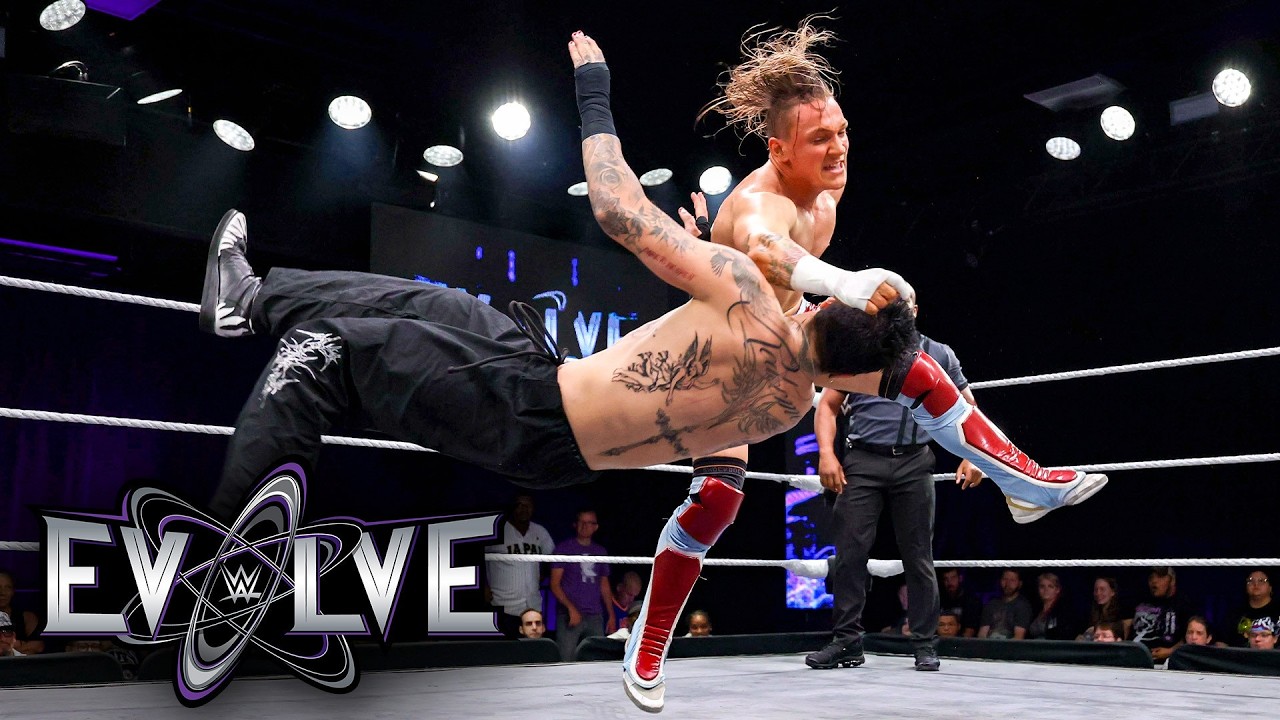
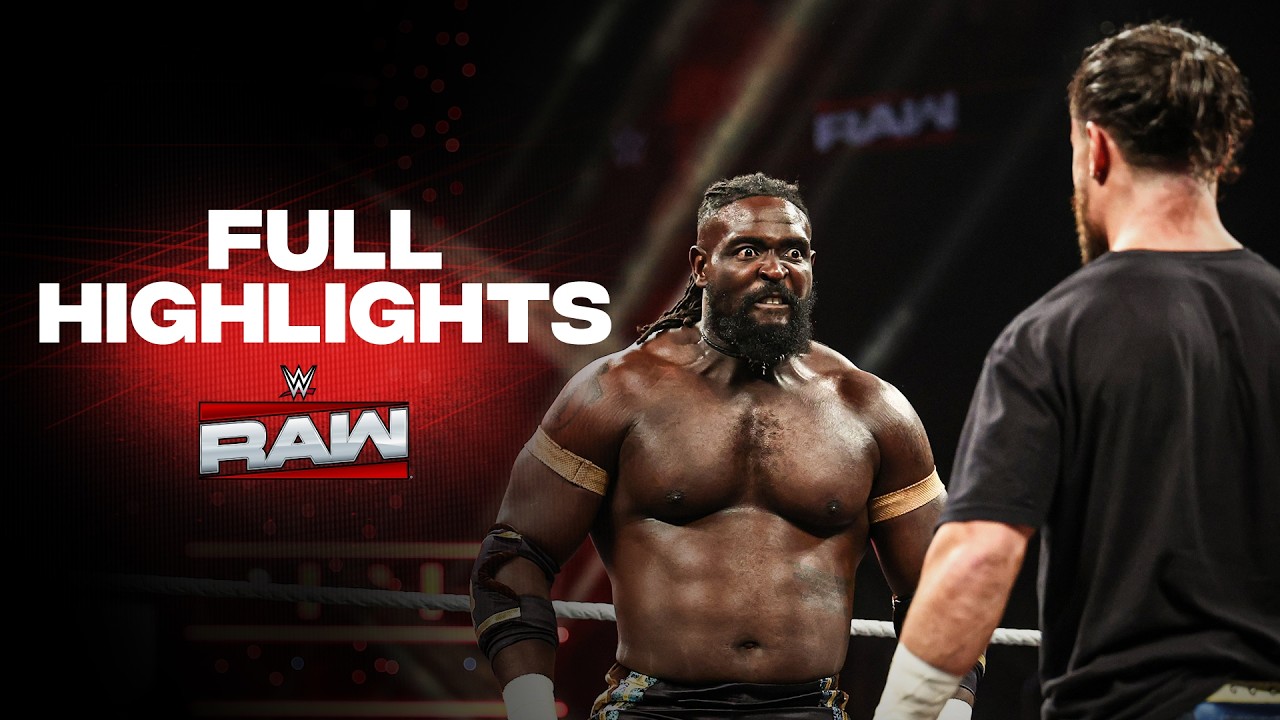
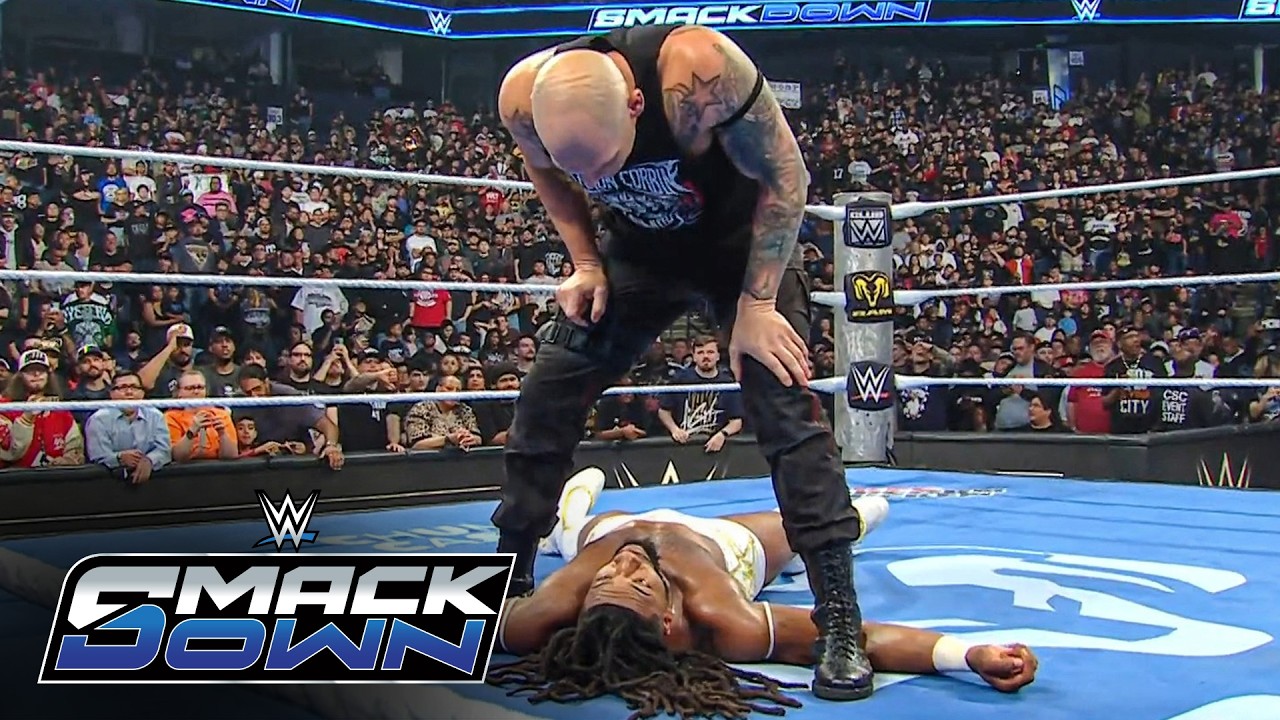 Trick Williams vs. Baron Corbin at SummerSlam: Why the U.S. Title Match Matters
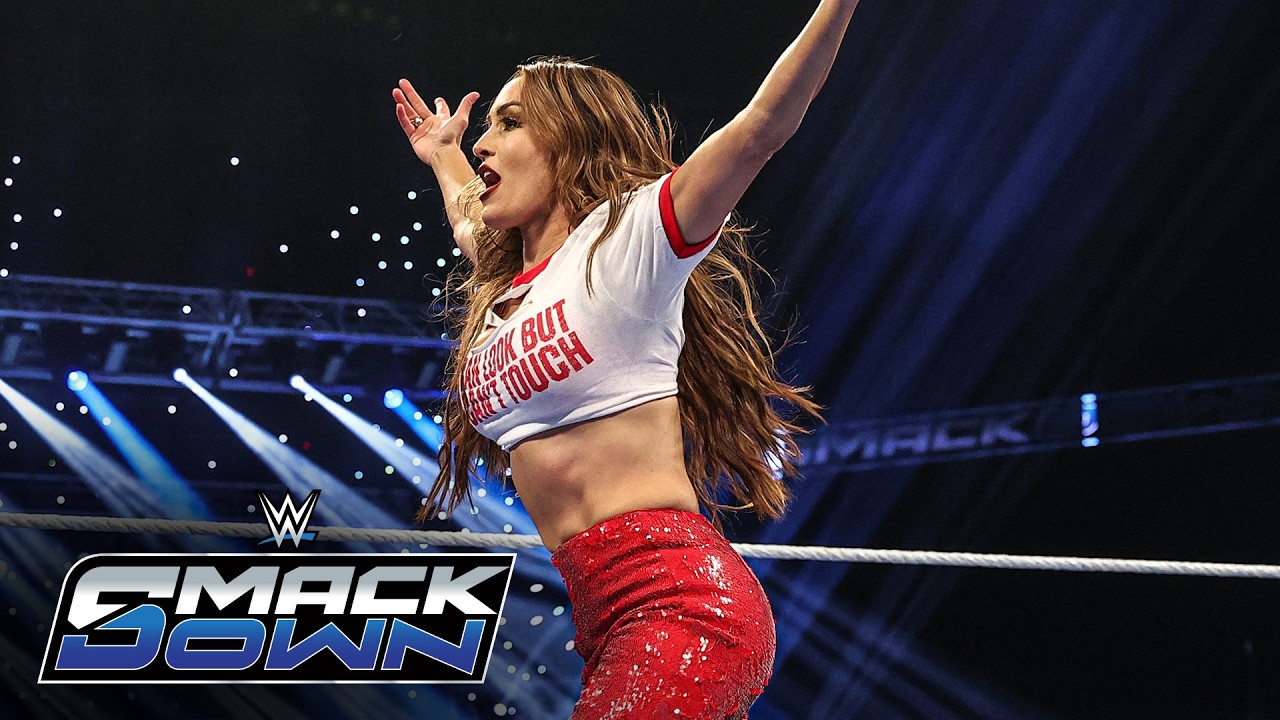
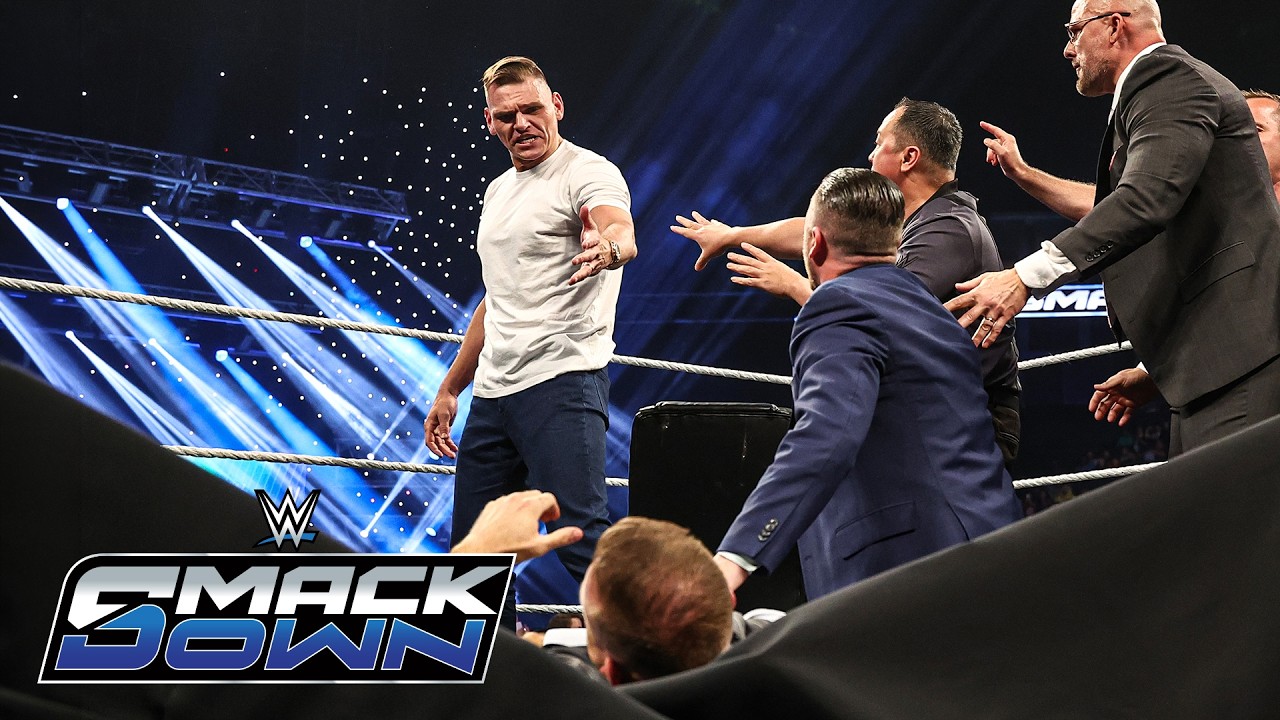
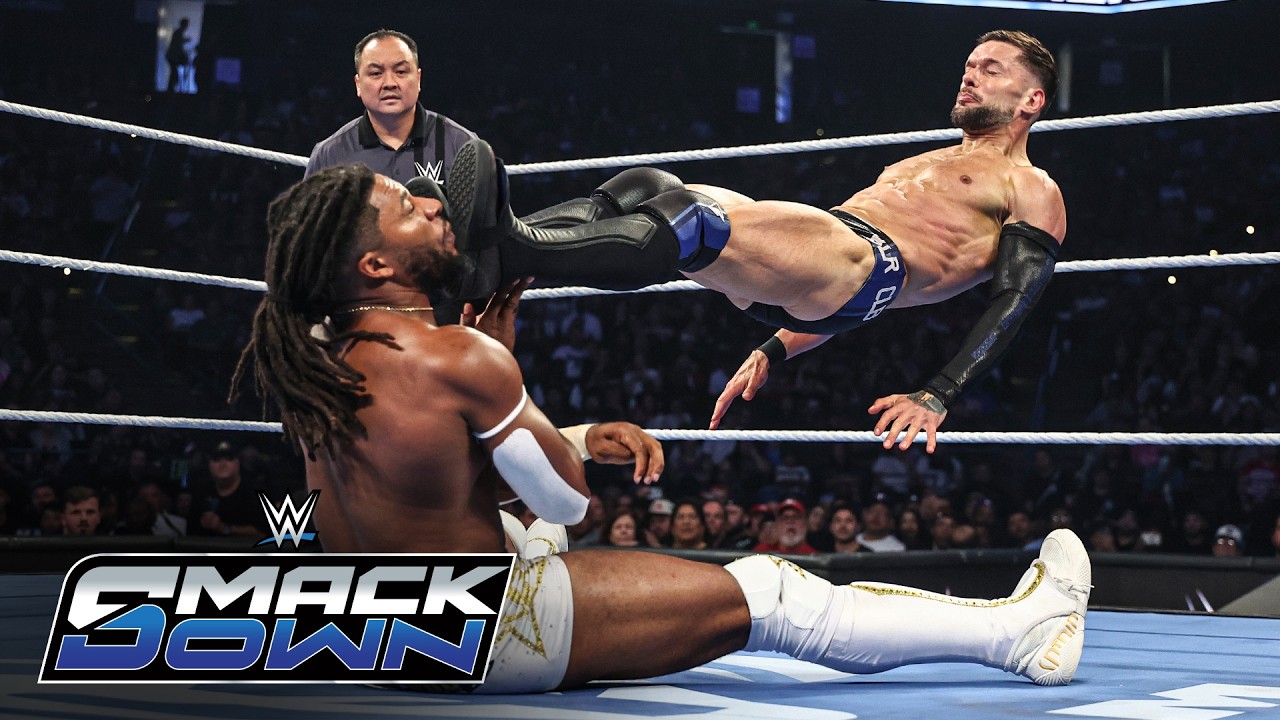 Charlotte Flair vs. Nia Jax: How Jade Cargill Hijacked the SummerSlam Qualifier