Nikki Bella’s WWE Return: How One SmackDown Save Reframed the Bella Twins, Paige and Fatal Influence
Nikki Bella returned to WWE television on the July 24, 2026 edition of SmackDown, ran off Fatal Influence after the faction attacked Brie Bella and Paige, and challenged Jacy Jayne, Fallon Henley and Lainey Reid to face Nikki, Brie and Paige in a six-woman tag team match at SummerSlam. The return came moments after Brie defeated Reid by pinfall, six days after Fatal Influence had taken the WWE Women’s Tag Team Championship from Brie and Paige at Saturday Night’s Main Event.
That is the essential result, and it answers the immediate question surrounding the segment. The more interesting story is why the return worked. WWE did not bring Nikki back for a detached nostalgia appearance or a ceremonial wave to the crowd. Her comeback completed a storyline that had been interrupted by a legitimate ankle injury before WrestleMania 42, converted Paige’s unexpected championship return into part of a larger alliance, and gave Fatal Influence a SummerSlam platform built around a sharp generational conflict.
The July 24 segment was short enough to fit comfortably into weekly television, but it carried months of continuity. Brie and Nikki had reunited in the 2026 Women’s Royal Rumble with the shared ambition of pursuing the WWE Women’s Tag Team Championship. Nikki’s injury removed her from the WrestleMania title match. Paige returned as Brie’s replacement and won the championship with her. Fatal Influence then crossed from NXT into the SmackDown title picture, repeatedly used its three-person advantage, and finally stole the belts through Jacy Jayne’s interference at Madison Square Garden. Nikki’s save in Oakland restored the numbers balance at precisely the moment WWE needed a third babyface.
It also created a question that gives the SummerSlam match more depth than a routine legends-versus-prospects attraction: is Nikki returning to help Brie and Paige finish their fight, or is her arrival the first step toward reclaiming the tag-team opportunity that injury took away from her? The match can answer that question directly, postpone it, or use it to create tension inside the veteran team. Each route is available because the story has been assembled around relationships rather than a random collection of names.
Sponsored • Adults 18+ Only
Discover New Social Connections at Your Pace
Explore an adult
social-discovery platform
designed for browsing profiles and starting conversations when it suits you. Available features depend on the provider and your location.
Registration, eligibility rules, subscriptions and available services vary. Review the provider’s terms before joining.
Last updated: July 26, 2026, 5:00 p.m. CEST. This article reflects confirmed developments through the July 24 episode of SmackDown and WWE’s published SummerSlam match announcement.
Nikki Bella’s WWE Return at a Glance
Promotion:
WWE
Show:
Friday Night SmackDown
Date:
July 24, 2026
Venue:
Oakland Arena
Location:
Oakland, California, United States
Featured match:
Brie Bella vs. Lainey Reid
Winner:
Brie Bella by pinfall
Post-match development:
Fatal Influence attacked Brie Bella and Paige before Nikki Bella returned to make the save
Match announced:
The Bella Twins and Paige vs. Fatal Influence in a six-woman tag team match
SummerSlam date:
Saturday, August 1, 2026
SummerSlam venue:
U.S. Bank Stadium in Minneapolis, Minnesota
How to watch SummerSlam:
WWE lists the ESPN App with an ESPN Unlimited plan in the United States and Netflix internationally, subject to regional availability
Video format:
The supplied WWE upload is a 3:11 SmackDown highlights segment, not an unedited full-length match presentation
The venue and event information are confirmed by
WWE’s official Oakland SmackDown event listing
, while the result and post-match angle are detailed in
WWE’s official July 24 SmackDown results
. WWE’s
SummerSlam match preview
confirms the six-woman tag and its scheduled placement on Saturday, August 1.
What Happened on SmackDown?
The segment began with Fatal Influence treating the previous week’s championship victory as proof that its arrival on SmackDown had already displaced established names. Fallon Henley and Lainey Reid entered as WWE Women’s Tag Team Champions, accompanied by Jacy Jayne, and spoke with the confidence of a group that had discovered how easily a three-person unit could manipulate a two-on-two title division. Their message was not merely that they had beaten Brie Bella and Paige. It was that they had done so quickly after reaching the main-roster environment and believed the veterans should be haunted by the loss.
Brie did not wait patiently for the bell. The confrontation became physical before the official start, which was an effective choice because it prevented the match from feeling like a clean sporting contest after a disputed title change. Brie’s aggression was motivated by the previous interference, and Reid’s willingness to engage outside the ring reinforced the point that Fatal Influence was comfortable turning structure into disorder whenever the numbers favored it.
Once the match settled into a formal contest, Reid used her speed, opportunism and ringside support to keep Brie under pressure. Brie answered with the familiar combination of running offense, kicks and veteran timing that has defined her current presentation. The bout did not attempt to become an extended showcase. Its purpose was to reverse the singles result from July 3, expose Fatal Influence’s continuing dependence on interference and create the conditions for Nikki’s return.
The finish accomplished all three. Jacy Jayne tried to interfere. Paige pulled her away from the apron. Reid attempted to use the middle rope for leverage, but the referee caught her. Brie immediately turned the failed shortcut into a pinning combination and secured the three-count. The result gave Brie direct revenge for Reid’s July 3 victory, which had also depended on Fatal Influence creating a distraction around Paige.
The champions responded to the loss by abandoning any pretense of a fair fight. Jayne attacked, Henley joined the assault, and the three members of Fatal Influence overwhelmed Brie and Paige. That image mattered because the faction’s central advantage had been visible throughout the rivalry: the veterans had two active wrestlers, while Fatal Influence had three people who behaved as one strategic unit.
Nikki’s entrance music therefore represented more than a surprise. It represented arithmetic. She sprinted to the ring, attacked Jayne, struck Reid and Henley, and finished the sequence with the Rack Attack 2.0. The physical portion was concise, but it showed that WWE was presenting her as cleared for contact rather than merely present to speak on behalf of the babyfaces.
After the ring had been cleared, Nikki framed Fatal Influence as wrestlers who had risen from WWE’s developmental system and then stolen from the women who helped create the opportunities now available to them. The language was confrontational and intentionally dismissive. She challenged the faction to a six-woman tag at SummerSlam, and WWE subsequently confirmed the match.
The segment’s structure was efficient: a disputed championship story produced a rematch; the rematch produced another attempted numbers-game attack; the attack created the need for Nikki; Nikki’s return produced the SummerSlam challenge. No step existed solely for spectacle. Each one moved the same conflict forward.
Sponsored • Adults 18+ Only
Build a Virtual Companion Around Your Preferences
Customize an
AI character
’s appearance, personality and conversation style for a private virtual experience that can be adjusted to suit your interests.
AI companions are virtual characters and are not real people. Features, subscriptions and pricing may vary by provider.
Why the Return Mattered More Than the Surprise
Wrestling returns are often judged by the first reaction: the music, the camera cut, the audience noise and the visual of a familiar performer entering the frame. Those elements were present in Oakland, but the return’s greater value came from its placement in an existing story. Nikki was not arriving to interrupt a random promo or announce that she was “back” without direction. She was entering a conflict that had developed from the exact match she had been forced to miss.
That distinction protects the segment from becoming empty nostalgia. The WrestleMania setback had not been forgotten. Paige’s replacement role had not been treated as a temporary curiosity. Brie’s title reign had not been separated from Nikki’s original objective. Fatal Influence’s championship victory had not been left as an isolated upset. The return tied those elements together and made the SummerSlam match feel like the next chapter rather than an event-card addition assembled because six recognizable wrestlers were available.
The timing was also strong. Nikki’s recovery update had become public days before SmackDown. In an appearance on The Nikki & Brie Show, as reported by
Fightful
and
POST Wrestling
, Nikki described undergoing a demanding evaluation at WWE’s Performance Center. She said the testing included sprinting, jumping, climbing the turnbuckles and working an impromptu match so trainers could evaluate the surgically repaired ankle in realistic situations.
That reporting changed the context without spoiling the television moment. Viewers who followed the injury news knew a return was approaching, but they did not necessarily know where or how WWE would use it. The July 24 save answered both questions. It also demonstrated that the clearance was being translated into active performance: Nikki ran to the ring, absorbed the pace of a brawl and delivered her finishing offense.
There is still an important limit to what the segment proved. A short save is not the same physical test as a full match. SummerSlam will require sustained movement, timing and confidence under live-event conditions. WWE protected Nikki from having to demonstrate all of that immediately. The six-woman format can distribute the workload, allow carefully selected exchanges and make the return feel substantial without requiring her to carry a long singles match.
From a booking perspective, that is sensible. The match can spotlight Nikki’s comeback while giving Brie, Paige, Henley, Reid and Jayne meaningful responsibilities. It can also delay any decision about whether Nikki and Brie resume their tag-title pursuit as a regular team. WWE only needs to resolve the immediate faction fight at SummerSlam; the more complicated question of partnership can remain open.
The Road Back Began at the 2026 Royal Rumble
The current program makes the most sense when traced to January 31, 2026. Nikki entered the Women’s Royal Rumble at number 25. Brie returned at number 29, reunited with her sister and helped eliminate Bayley and Lyra Valkyria. WWE’s
official Royal Rumble results
presented the reunion as one of the match’s major surprises.
The Royal Rumble appearance established two ideas. First, Brie’s comeback was not a one-night cameo. Second, the Bellas were being presented as an active team rather than two legends sharing a brief pose. Their pursuit of the WWE Women’s Tag Team Championship followed naturally because the belts did not exist during the most prominent period of their original run. The goal offered them something new rather than asking them to repeat a Divas Championship rivalry from the previous decade.
That objective was historically appropriate. Nikki and Brie were central to WWE’s women’s division before the current tag titles were introduced in 2019. They had worked extensively as a tandem, used “Twin Magic” as a recurring device and held singles championships, but they had never been able to pursue a recognized modern WWE women’s tag championship together. A comeback built around the belts therefore had both nostalgia and unfinished-business value.
The story also gave the tag division a level of star recognition that secondary championships often struggle to receive. When established singles names pursue tag gold as a genuine objective, the titles are framed as achievements rather than accessories. The Bellas’ return did not guarantee that WWE would sustain that emphasis, but it created a strong starting point.
The injury disrupted the clean version of the plan. Instead of reaching WrestleMania as a fully functioning team, Nikki appeared on crutches and announced that she could not compete. The setback could have ended the story or reduced Brie to an observer. WWE chose a more productive route by making the replacement itself a major return.
Nikki Bella’s Injury Changed WrestleMania 42
Nikki’s absence from WrestleMania 42 was not a minor card adjustment. The Bellas had returned with a specific championship objective, and the WWE Women’s Tag Team Championship Fatal 4-Way was designed as the first major payoff. The injury removed one half of the promoted act and created the risk that the entire comeback would lose direction at the biggest show of the year.
WWE’s official WrestleMania results state that Nikki was unable to compete because of injury and that Paige stepped in for her first WWE action in more than eight years. Independent reporting later added that the injury was an ankle fracture requiring surgery. Because the medical details came from Nikki’s own public discussion and were reported by established outlets, they can be described with attribution; they should not be expanded into speculation about long-term health or recovery beyond what she disclosed.
The replacement reveal was cleverly built around continuity. Paige had extensive history with the Bellas, had been absent from WWE competition for years, and could plausibly be positioned as both ally and potential source of future conflict. She was not a neutral substitute. Her presence changed the emotional meaning of the match.
At WrestleMania, Brie and Paige faced defending champions Nia Jax and Lash Legend, Charlotte Flair and Alexa Bliss, and Bayley and Lyra Valkyria. The multi-team format allowed Paige’s return to feel urgent without demanding a long uninterrupted performance. Nikki remained involved at ringside and used her crutch against Charlotte Flair. Paige then countered Twisted Bliss and hit the Ram-Paige to score the decisive fall. According to
WWE’s official WrestleMania 42 results
, Paige and Brie left Las Vegas as the new WWE Women’s Tag Team Champions.
The title win transformed a setback into a layered story. Brie achieved the goal she had shared with Nikki, but she did it with Paige. Paige returned from a career-altering absence and immediately won a championship. Nikki contributed to the result despite being unable to compete. All three could legitimately view the achievement as connected to them, even though only two names appeared in the championship record.
That ambiguity is useful. It creates gratitude, loyalty and possible resentment without forcing WWE to decide immediately which emotion will dominate. Nikki can be proud that Brie succeeded, appreciative that Paige stepped in and still disappointed that the title reign happened without her. Paige can be a trusted partner and still wonder whether Nikki’s return threatens the team she helped establish. Brie can value both relationships while being placed between them.
The July 24 return did not explicitly turn that ambiguity into conflict. The three women stood together. Still, the underlying question is visible, and it gives the SummerSlam team more texture than a straightforward alliance.
Paige and Brie Bella’s Championship Reign Gave the Return Consequences
If Paige and Brie had lost the WrestleMania match, Nikki’s July return could still have produced a six-woman tag. It would not have carried the same emotional weight. The championship reign made Paige more than a temporary replacement and gave Fatal Influence something concrete to take away.
Brie and Paige held the WWE Women’s Tag Team Championship for 91 days, from April 18 to July 18, 2026. During that period, WWE promoted them as fighting champions rather than a novelty partnership. They defeated Nia Jax and Lash Legend in a WrestleMania rematch, defended against Raquel Rodriguez and Roxanne Perez, beat Bayley and Lyra Valkyria, and retained again against the Irresistible Forces at Saturday Night’s Main Event in May. WWE’s July 18 match preview summarized four successful defenses before the Madison Square Garden title loss.
The reign served several functions. It reintroduced Paige as an active performer. It gave Brie’s comeback substance. It kept Nikki’s original ambition relevant while she recovered. It also created credible champions for Fatal Influence to beat. A new faction gains more from taking a championship from established, successful holders than from defeating a team that has barely formed.
The partnership had a distinct in-ring logic. Paige supplied urgency, sharp transitions and a comeback narrative. Brie supplied familiar crowd cues, running offense and the “Yes” Kicks. Neither was being asked to imitate the tag chemistry of a team that had worked together every week for years. The story instead emphasized experience and resilience.
That presentation was not without limitations. The title reign was assembled around veteran names, which risked making the division feel dependent on returning stars. Some defenses were more useful as television attractions than as long-term team development. WWE also did not fully explore how Nikki felt about watching another partner share the championship goal that had motivated her return.
Those limitations now become possible material rather than unresolved weaknesses. SummerSlam can acknowledge that Paige earned her place. It can show Nikki respecting what Paige and Brie accomplished. It can also expose tension if the match’s pressure forces the veterans to choose who leads, who takes risks and who receives the decisive tag.
Sponsored • Adults 18+ Only
Explore a Social Platform Built Around Choice
Browse adult social-discovery features at your own pace, review
available profiles
and decide whether the service suits the kind of connection you want.
Availability, registration requirements, paid features and provider terms vary by region.
Fatal Influence’s Main-Roster Arrival Was Built Around the Numbers Game
Fatal Influence consists of Jacy Jayne, Fallon Henley and Lainey Reid. The current version of the group developed in NXT, where its identity was built around ambition, interference and the belief that collective pressure could overcome more individually celebrated opponents. That formula translated easily to SmackDown because the WWE Women’s Tag Team Championship is defended by two wrestlers while the faction can rotate three.
WWE introduced the group’s main-roster threat on the April 24 SmackDown after WrestleMania. Brie and Paige were interrupted by former champions Charlotte Flair and Alexa Bliss, leading to an impromptu tag match. Fatal Influence then attacked all four women. Later in the same episode, the faction assaulted WWE Women’s Champion Rhea Ripley during her match with Jayne. The double attack announced that the group was not entering SmackDown to wait politely for opportunities.
That first night established the strategy: create chaos, attack more than one level of the division and make the group difficult to contain because any two-person response remains numerically vulnerable. The approach also distinguished Fatal Influence from a conventional tag team. Henley and Reid could challenge for the belts while Jayne functioned as strategist, interferer and singles-level threat.
The group’s NXT history supported that presentation. Jacy Jayne had become a two-time NXT Women’s Champion and, in 2025, made history as the first active NXT wrestler to win the TNA Knockouts Championship. Fallon Henley had held the NXT Women’s North American Championship and later the WWE Women’s Speed Championship. Lainey Reid, a former track-and-field athlete, had developed a reputation for explosive offense, opportunistic finishes and increasing aggression. WWE’s official profiles present Jayne as the leader, Henley as a competitor who rejected being overlooked, and Reid as the faction’s rising athlete.
Those accomplishments matter because the SummerSlam match should not be reduced to “legends against rookies.” Jayne and Henley are experienced WWE performers with championship backgrounds. Reid is the least established of the six on the national stage, but she is also the wrestler who scored the July 3 singles win over Brie and the decisive fall in the tag-title match. Fatal Influence’s role is not to stand in the ring and admire the veterans. The faction is presented as a current championship force that believes the women across from them are occupying space that should belong to the next wave.
Jacy Jayne: The Strategic Center
Jayne’s greatest value in this rivalry has been structural. She does not need to wrestle every title match to influence the outcome. At Saturday Night’s Main Event, she climbed onto the apron, absorbed Paige’s forearm, returned at the decisive moment and shoved Paige during a pinning attempt. Reid then secured the fall. On July 24, Jayne again tried to interfere before Paige pulled her down.
The repetition is intentional. Jayne is not merely a manager standing beside the ring. She is an active wrestler whose presence changes every exchange. Opponents must divide attention between the legal competitors and the person who can alter the finish. That pressure creates mistakes even when the referee catches part of the interference.
In the six-woman tag, the strategic advantage changes. Jayne must become a legal participant rather than an external variable. That removes one of Fatal Influence’s easiest shortcuts but also allows the group’s leader to control tags and pace from inside the match. The stipulation therefore solves one problem for the veterans while creating another.
Fallon Henley: The Bridge Between Experience and Opportunity
Henley is particularly important to the generational framing because she is not a newcomer in the simplistic sense. She has spent years developing in WWE, has won championships and understands faction wrestling. Her grievance is not that she lacks experience. It is that she believes experience has not produced the recognition she deserves.
That makes her a useful opponent for the Bellas and Paige. The veterans can point to their role in changing women’s wrestling’s visibility, while Henley can argue that current performers still have to fight for television time and major-event positions. The story works best when neither side’s claim is treated as completely absurd.
Lainey Reid: The Breakout Beneficiary
Reid has gained the most from the program. Before the SmackDown feud, she was primarily known to the NXT audience. By late July, she had beaten Brie in singles competition, won the WWE Women’s Tag Team Championship at Madison Square Garden and worked directly with three of the most recognizable women from WWE’s previous era.
Her presentation has emphasized speed, a jumping knee, a slingshot cutter and opportunistic pinning tactics. The July 24 rematch also showed why she fits Fatal Influence: she is athletic enough to threaten Brie directly but willing to use ropes, distractions and faction support when the clean route becomes difficult.
SummerSlam is therefore not only a platform for Nikki’s comeback. It is a test of whether Reid can look credible when the match is no longer built around one surprise pin or one interference-assisted finish. Her performance may determine whether viewers see her as a champion with a future beyond the faction or as the junior member protected by Jayne and Henley.
Sponsored • Adults 18+ Only
See Which Adult Social Experience Is Available
Explore an available
adult-oriented social, chat, dating or AI-powered offer
selected according to factors such as your device, region and provider availability.
The destination may vary by device, region and provider. Registration, subscriptions or charges may apply.
How Fatal Influence Took the WWE Women’s Tag Team Championship
The title change at Saturday Night’s Main Event on July 18 is the direct cause of the SmackDown rematch and Nikki’s return angle. WWE staged the match at Madison Square Garden, which immediately gave the victory a larger symbolic setting. For Henley and Reid, winning their first main-roster championship in that building made the result feel like an arrival rather than a transitional television upset.
According to
WWE’s official results
, Fatal Influence controlled Paige for an extended period before Brie received the tag and changed the match’s tempo. Paige later appeared to have Reid pinned with a roll-up. Jayne intervened by shoving Paige, which allowed Reid to reverse the position and score the championship-winning fall.
The finish was deliberately compromised. Fatal Influence became champion, but the result gave Brie and Paige an immediate grievance. WWE did not need to invent a reason for a rematch or rely on the former champions invoking an automatic clause. The act of stealing the match created its own continuation.
The finish also protected the title change from becoming a referendum on whether the veterans could still perform. Paige and Brie were not presented as physically overmatched from bell to bell. They were beaten because Jayne altered the decisive pin. That was appropriate for a storyline intended to continue one week later.
There is a cost to this approach. When a new team wins through interference, the champions can appear dependent before they have established independent credibility. WWE has tried to offset that problem by giving Reid a singles win over Brie and by presenting Henley and Reid as aggressive throughout the title match. SummerSlam now offers the chance to decide whether Fatal Influence can win a major match with all three members legally involved, or whether its success still depends on exploiting the referee’s limited field of vision.
Sponsored • Adults 18+ Only
Customize a Virtual AI Companion
Create a virtual
AI character
by selecting personality traits, visual preferences and conversation settings for a private experience shaped around your choices.
AI companions are virtual characters, not real people. Features, pricing and subscriptions vary by provider.
The July 3 Match Established the Pattern
Brie and Reid had already wrestled on the July 3 SmackDown. In that match, Brie applied the “Yes” Lock, but Fatal Influence attacked Paige at ringside. Brie released her focus to check on her partner, and Reid capitalized with a running knee to win. The result was official, but the cause was faction interference.
That first match accomplished two things. It gave Reid a major singles victory and taught Brie that the group would attack Paige whenever the legal match moved against it. The July 24 rematch repeated the basic threat but changed the outcome: Paige neutralized Jayne, the referee caught Reid’s rope leverage and Brie converted the failed cheating attempt into a pin.
The two matches therefore function as a simple progression rather than duplicates. On July 3, Fatal Influence’s distraction worked. On July 24, Brie and Paige anticipated it. The faction responded by escalating to a three-on-two assault, and Nikki’s return became the next adjustment.
This is effective weekly wrestling storytelling because each encounter changes what the participants know. The wrestlers are not repeating the same mistake without learning. Their tactics evolve in response to previous outcomes.
Brie Bella vs. Lainey Reid: Match Analysis
The July 24 match was presented in highlights rather than as an unbroken full-match upload, so any analysis must respect what the available footage and corroborated results actually show. It would be misleading to assign a precise match time from the 3:11 video or to pretend that every transition was visible. What can be assessed is the televised structure: a heated pre-bell exchange, Reid’s control period, Brie’s veteran comeback, attempted interference, a cheating tactic caught by the referee and an opportunistic counter-pin.
The Opening Made the Match Feel Personal
Brie’s decision to attack before the bell was important. A standard lockup would have suggested that the former champion accepted the title loss as an ordinary competitive result. The immediate fight communicated the opposite. She believed Fatal Influence had stolen the championship and was not willing to let Henley and Reid celebrate comfortably.
Reid met that aggression rather than retreating. She pulled Brie to the floor, used the ring apron and turnbuckles, and tried to turn the pre-match disorder into an advantage. The opening therefore established both women’s motivations quickly: Brie wanted revenge, while Reid wanted to prove that the title victory had changed the power relationship.
Reid’s Offense Matched Her Role
Reid’s strongest work in the segment came from speed and sudden impact. Her slingshot cutter, enzuigiri and attempts to catch Brie around the ropes were consistent with a wrestler who does not need a long power sequence to change momentum. The style also contrasted with Brie’s more familiar crowd-driven offense.
The match did not ask Reid to dominate through size or sustained technical control. It asked her to create danger in short bursts and use the faction’s presence to make each burst more threatening. That is the correct role for a rising heel working opposite a veteran whose offense is built around recognizable rhythms.
Brie’s Comeback Relied on Recognition
Brie’s comeback used the “Yes” Kicks, the running bulldog and the “Brie Mode” running attack. Those moves are effective in this context because the audience recognizes the sequence immediately. A television match positioned as part of a larger return angle does not need to reinvent Brie’s presentation. It needs to establish that she can still reach the beats viewers associate with her while leaving room for the younger opponent to interrupt them.
The top-rope exchange did that. Reid’s enzuigiri stopped Brie’s attempt to build toward a bigger move, but Brie blocked the superplex and sent Reid down. The sequence allowed both women to appear prepared: Reid recognized the opening, and Brie had the experience to avoid the larger risk.
The Finish Rewarded Awareness, Not Dominance
Brie did not win because she definitively overpowered Reid. She won because she recognized two simultaneous attempts to manipulate the match. Paige removed Jayne from the apron, the referee caught Reid using the rope, and Brie rolled Reid into the pin before the champion could reset.
That distinction matters. It protects Reid from looking outclassed and gives Brie a victory that feels earned through experience. It also continues the feud’s central theme: Fatal Influence’s shortcuts are dangerous, but they can backfire once opponents anticipate them.
The finish arguably did more for SummerSlam than a clean finisher victory would have done. A decisive Bella Buster or submission might have reduced Reid’s momentum days before the premium live event. The quick pin left her with an excuse, gave Brie revenge and sent the story immediately into the post-match attack.
Sponsored • Adults 18+ Only
Start a New Adult Conversation Online
Explore an
adult chat
service, review its communication features and decide whether the available social experience matches your interests.
Eligibility, registration, messaging features and pricing depend on the provider and your location.
The Return Save Was Designed to Prove Readiness Without Overexposure
Nikki’s physical involvement lasted long enough to establish confidence but not long enough to answer every question about ring condition. That balance was deliberate. She ran at full pace, tackled Jayne, exchanged strikes with the faction and delivered the Rack Attack 2.0. Those actions communicated that she was medically cleared and willing to use the repaired ankle under pressure.
At the same time, the sequence avoided a prolonged exchange in which timing fatigue or hesitation could become the story. The audience saw the return’s most important image: Nikki standing beside Brie and Paige after clearing the ring. SummerSlam was left to provide the first extended evaluation.
The choice of Rack Attack 2.0 was also useful. It reconnected Nikki to the powerhouse version of her character that defined the strongest portion of her original run. The move is visually recognizable and allowed her to finish the save with a clear statement rather than a series of anonymous strikes.
WWE could have used a microphone-only return, but that would have created uncertainty about whether Nikki was actually ready to wrestle. It could have booked an immediate singles match, but that would have demanded too much too quickly and diminished the premium value of SummerSlam. The brawl was the middle route.
Sponsored • Adults 18+ Only
Explore Profiles Without Rushing the Conversation
Discover an
adult social platform
where you can browse available profiles, learn how the service works and choose whether to begin a conversation.
Availability, membership requirements and paid features vary by provider and region.
Nikki Bella’s Promo Turned the Match Into a Generational Argument
The most provocative part of the segment was not the challenge itself. It was Nikki’s framing of Fatal Influence as wrestlers arriving from the “minor leagues” and stealing from women whose work helped make the current opportunities possible. The line was designed to draw a reaction because it compressed several real debates about WWE’s women’s division into heelish babyface rhetoric.
From Nikki’s character perspective, the claim is understandable. The Bellas were prominent during a period when women’s matches often received limited time and were marketed through the “Divas” brand. Paige’s main-roster arrival in 2014 helped connect NXT’s emerging women’s wrestling identity to WWE television. All three became central figures during the transition toward the era WWE later branded the Women’s Evolution.
From Fatal Influence’s perspective, the language is insulting. NXT is WWE’s developmental brand, but it is also a nationally televised product with its own championships, premium events and international partnerships. Jayne held both the NXT Women’s and TNA Knockouts championships. Henley won multiple WWE developmental titles. Reid built her way from Evolve and NXT into the main-roster championship picture. Calling that work “minor league” is exactly the kind of dismissal a younger faction can use as motivation.
The line therefore creates productive tension because it is not a neutral history lesson. It is a boast from a returning veteran. Babyfaces do not need to be perfectly diplomatic, especially in a heated post-match confrontation. The statement gives Fatal Influence something specific to answer: the faction can argue that the previous generation opened doors but now uses that history to demand permanent priority.
The second part of Nikki’s claim—that “we are the reason” the younger women are there—is broader and more debatable. No single trio created modern women’s wrestling in WWE. The transformation involved performers across eras, fan pressure, NXT’s match quality, changing corporate strategy, coaches, producers and many wrestlers whose contributions were not always equally acknowledged. Treating Nikki’s line as objective history would be inaccurate.
As character dialogue, however, it works because exaggeration creates conflict. Fatal Influence does not need to disprove every historical detail. It only needs to show that the current champions can beat the veterans in the present.
The Bellas and Paige Have History That Makes Their Alliance Unstable
Viewers who began following WWE recently may see Nikki, Brie and Paige as a natural alliance of returning stars. Longtime viewers remember that Paige spent much of 2015 fighting the Bellas. That history does not require an immediate betrayal, but it makes the partnership more interesting.
At WrestleMania 31, Paige teamed with AJ Lee against Nikki and Brie. AJ forced Nikki to submit, giving Paige and AJ the victory. A few months later, Nikki defended the Divas Championship against Paige at Money in the Bank. The match ended through “Twin Magic,” with Brie secretly replacing Nikki before Paige’s apparent victory was reversed. The feud positioned the Bellas as an entrenched power structure and Paige as one of the challengers pushing against it.
At SummerSlam 2015, Paige joined Charlotte Flair and Becky Lynch as PCB in a three-team elimination match against Team Bella and Team B.A.D. PCB won. The match was presented as part of WWE’s heavily promoted Divas Revolution, a period that mixed real roster change with uneven television storytelling and often overemphasized faction branding.
Those events create a useful parallel for 2026. Paige once represented the incoming NXT generation opposing Team Bella. Now she stands beside the Bellas against another NXT-developed faction making similar claims about opportunity. Wrestling history rarely repeats cleanly, but the role reversal is valuable.
It also complicates Nikki’s promo. In 2015, Paige could have made a version of Fatal Influence’s argument: the established stars controlled the division, while NXT graduates sought more serious competitive presentation. In 2026, Paige is aligned with the veterans being challenged. She occupies both sides of the generational story.
That position makes Paige the most interesting member of the babyface team. She can validate the Bellas’ influence while understanding Fatal Influence’s resentment. She can protect her championship partnership with Brie while making room for Nikki. She can also become the person most likely to recognize when veteran pride begins damaging team strategy.
WrestleMania 31: Paige and AJ Lee Beat the Bella Twins
WrestleMania 31 remains the most direct historical prequel. Paige and AJ entered as uneasy allies, while Nikki and Brie operated as the more established unit. The match was built around Paige surviving isolation long enough to reach AJ, who submitted Nikki with the Black Widow.
The relevance is not that WWE should recreate the match. It is that Paige has already experienced how difficult the Bellas can be as an opposing pair and how effective they can be when controlling tags and distractions. At SummerSlam 2026, that knowledge becomes an asset for the same side.
Money in the Bank 2015: Nikki Beat Paige Through Twin Magic
Nikki’s Divas Championship defense against Paige at Money in the Bank reinforced the Bellas’ identity as a team willing to manipulate officiating. Brie switched places with Nikki, was pinned by Paige and then revealed the deception, allowing Nikki to return and win. The finish was classic Bella strategy from their heel period.
Fatal Influence’s current tactics echo that history in a modern faction form. Jayne does not use identical-twin substitution, but she uses the same basic principle: the referee cannot control every person at ringside. The veterans are now confronting an evolved version of tactics they once used themselves.
SummerSlam 2015: Paige Helped Defeat Team Bella
At SummerSlam 2015, PCB defeated Team Bella and Team B.A.D. in a three-team elimination match. Eleven years later, Paige and the Bellas are partners in another multi-woman SummerSlam match. The difference is that the earlier bout represented a division divided into large branded teams, while the 2026 match grows from a specific championship theft and injury-return story.
That specificity should help the new match. The 2015 faction war sometimes reduced wrestlers to colors and team names. The 2026 program has clearer individual motives: Nikki wants to reclaim the comeback interrupted by injury, Brie wants revenge for the title loss, Paige wants to defend the team she built with Brie, Jayne wants control, and Henley and Reid want to prove their championship rise is not temporary.
Sponsored • Adults 18+ Only
Create an AI Character for Private Conversation
Choose personality traits, visual preferences and conversation settings to shape a
virtual AI companion
that reflects the experience you want.
The service uses virtual AI characters, not real people. Features and pricing differ between providers.
What the SummerSlam Six-Woman Tag Is Really About
On paper, the match is simple: Nikki Bella, Brie Bella and Paige against Jacy Jayne, Fallon Henley and Lainey Reid. In practice, it contains four overlapping stories.
Nikki’s comeback:
SummerSlam will be her first announced match after the ankle injury that removed her from WrestleMania.
Championship revenge:
Brie and Paige are facing the group that took the WWE Women’s Tag Team Championship through interference.
Generational conflict:
Fatal Influence wants to prove that current success matters more than historical influence.
Partnership uncertainty:
Nikki is joining a team that became champions only because Paige replaced her.
The best version of the match should touch all four without becoming overbooked. Nikki needs a meaningful return sequence. Brie and Paige need opportunities to confront the titleholders. Jayne needs to demonstrate why she is more dangerous as a legal wrestler than as an interferer. Henley and Reid need enough offense to look like champions rather than bodies waiting for veteran signatures.
The six-woman format naturally supports those goals. WWE can begin with Brie and Reid to continue their singles issue, shift to Paige and Jayne for the strongest historical-NXT contrast, isolate one veteran for a Fatal Influence control segment and then build toward Nikki’s first sustained hot tag. The finish can protect several people because only one wrestler must take the fall.
The match does not appear to be for the WWE Women’s Tag Team Championship. WWE’s official preview labels it a six-woman tag, and all three members of Fatal Influence are involved. That matters because a babyface victory would not automatically return the belts to Brie and Paige. It would instead create a clear argument for a later championship rematch.
Why the Match Is a Smart Return Vehicle for Nikki Bella
A singles return would place every physical question on Nikki. A standard tag match with Brie would immediately displace Paige. A six-woman tag avoids both problems.
Nikki can work selected stretches, receive a protected entrance and comeback, and leave the most demanding connective work to wrestlers who have been active throughout the spring and summer. That is not an insult to her conditioning. It is normal return-match design, especially after surgery and a public clearance process.
The format also lets WWE measure audience response to multiple possible futures. If the strongest reaction comes from the Bella Twins working together, the company can return to the original tag-title pursuit. If the Paige-and-Brie chemistry remains strongest, WWE can preserve that team while using Nikki in singles or six-woman stories. If tension between Nikki and Paige attracts attention, WWE can develop it gradually rather than forcing an immediate turn.
Most importantly, Nikki is returning in a match with stakes. She is not wrestling an exhibition solely to prove she can. She is confronting the group that took the championship connected to her comeback goal.
What the Match Means for Brie Bella
Brie is the connective figure in every stage of the story. She reunited with Nikki at the Royal Rumble, lost her intended WrestleMania partner, won the championship with Paige, defended it for three months, lost it through interference and then defeated Reid in the singles rematch. Without Brie, the story’s separate returns would not form one narrative.
SummerSlam gives her a more difficult role than simply chasing revenge. She must function as the partner of both Nikki and Paige without making either relationship feel secondary. In storyline terms, she is caught between the sister with whom she began the journey and the partner with whom she actually won the title.
That position can create drama through small choices rather than a melodramatic betrayal. Who does Brie tag when both partners are available? Who helps her after a knockdown? Does she trust Paige’s established match plan or respond instinctively to Nikki? Those details can make the team feel human.
A strong Brie performance would also help validate the July 24 singles win. If she contributes meaningfully at SummerSlam, the victory over Reid looks like part of renewed momentum. If she is reduced to waiting for Nikki’s comeback, the television result may feel less consequential.
What the Match Means for Paige
Paige has the most to lose narratively. Her return was one of WrestleMania 42’s major moments, and the title reign gave that return purpose. Nikki’s comeback could unintentionally push her into the role of temporary substitute whose usefulness has expired.
WWE should avoid that implication. Paige did not merely keep Nikki’s seat warm. She won the championship, helped defend it repeatedly and became central to the Fatal Influence rivalry. SummerSlam should present her as an equal member of the team.
The match also reconnects Paige to a stage where she has significant history. At SummerSlam 2015, she was part of the NXT-driven group fighting Team Bella. In 2026, she stands beside the Bellas against women shaped by the system she once represented. That role reversal can be communicated through commentary without requiring a long retrospective package.
If WWE eventually wants tension between Paige and Nikki, the best route is not to make Paige jealous without cause. It is to ground the conflict in professional identity: Paige earned the championship partnership, while Nikki believes injury denied her the chance to fulfill the original goal. Both positions can be understandable.
What the Match Means for Nikki Bella
Nikki’s immediate objective is simple: complete the return safely and convincingly. A successful performance does not require a long work-rate showcase. It requires confidence, clear timing, effective signature offense and a finish that advances the story.
Beyond that, SummerSlam will define whether this comeback is a short attraction or the restart of the tag-title pursuit. Nikki has been a Divas Champion, including a record-setting 301-day reign, and has worked major singles programs. The tag championship remains the major WWE accomplishment that the Bellas openly identified as unfinished business.
A victory could place Nikki and Brie directly behind Henley and Reid in the title picture. A loss could create doubts about Nikki’s readiness or the veterans’ ability to coexist. A non-decisive finish could extend the faction war but would risk weakening the satisfying simplicity of Nikki’s return.
WWE does not need to announce a long-term plan immediately. It does need to ensure that the comeback has direction after SummerSlam. The worst outcome would be a nostalgic entrance followed by no meaningful follow-up.
What the Match Means for Jacy Jayne
Jayne enters the match without holding one of the tag belts, but she is the faction’s leader and the person most responsible for the championship victory. SummerSlam is her opportunity to prove that Fatal Influence is more than ringside interference.
She should be involved in the match’s strategic center. Her tags should change momentum. Her exchanges with Paige should reference their shared NXT lineage. Her confrontation with Nikki should carry the promo’s generational argument. If Jayne spends the match avoiding contact until the finish, the faction may feel less formidable than it did in NXT.
A pinfall over any veteran would be one of the biggest main-roster wins of Jayne’s career. Even without scoring the fall, a strong performance can position her for singles opportunities after the faction’s tag-title program concludes.
What the Match Means for Fallon Henley and Lainey Reid
Henley and Reid enter SummerSlam as the WWE Women’s Tag Team Champions, but the belts are not formally at stake in the announced six-woman match. That creates a useful test. They cannot rely on champion’s advantage, and they cannot lose the titles by disqualification or count-out. Their objective is to show that the Madison Square Garden victory was the beginning of a reign rather than the high point of a short call-up.
Henley should provide the team’s stability. She has the broader WWE résumé, understands faction match structure and can connect Jayne’s leadership to Reid’s explosive offense. Her work may be less visibly dramatic than Reid’s, but it is essential to keeping Fatal Influence organized once the match becomes chaotic.
Reid has the clearest personal rivalry. She has now split two singles results with Brie and scored the pin that won the tag titles. If she pins Brie again, the July 24 result becomes a temporary setback. If Brie pins her for a second straight week, Reid’s championship credibility becomes more dependent on Jayne’s interference.
The younger team’s success should not be measured only by whether it wins. A competitive defeat in which the veterans need all three finishers or exploit a moment of miscommunication could still elevate Henley and Reid. A quick loss after limited offense would undermine the work WWE has done since April.
How the SummerSlam Match Could Be Structured
The following is editorial analysis, not reporting of WWE’s private plans. Several structures would fit the evidence already on television.
Opening Phase: Brie and Reid Continue the Immediate Rivalry
Brie and Reid are the natural opening pair because viewers have seen their two singles matches and understand the issue without additional explanation. Reid can attack quickly to prove that the roll-up loss has not damaged her confidence. Brie can answer with the same aggression she showed in Oakland.
Middle Phase: Fatal Influence Isolates Paige
Paige is the logical wrestler for the extended control segment. Fatal Influence already isolated her at Saturday Night’s Main Event, and her return story makes survival emotionally effective. Jayne can direct frequent tags while Henley and Reid attack different targets.
This structure would also create anticipation for Nikki’s first legal tag. The audience has already seen her run-in offense; the premium live event should build toward the moment when she officially enters the match.
Nikki’s Hot Tag
Nikki’s comeback should be concise and decisive. A series of forearms, a spinebuster, the Rack Attack 2.0 setup and a face-to-face with Jayne would establish the return without demanding an unnecessarily elaborate sequence. The opponents can interrupt before the first pin attempt, preserving a bigger finishing stretch.
Closing Phase: Six-Person Chaos With a Clear Legal Finish
The strongest ending would allow all six wrestlers to contribute while keeping the legal participants clear. Six-woman tags often become visually confusing when everyone enters without purpose. WWE can avoid that by assigning each intervention a function: one save, one counter-save and one decisive mistake.
The finish should also connect to the story. A random roll-up may be appropriate on weekly television but would feel small after the SummerSlam build. Better options include a veteran combination that defeats Reid or Henley, Jayne stealing a pin after weaponizing confusion, or miscommunication between Nikki and Paige creating the opening for Fatal Influence.
Sponsored • Adults 18+ Only
Open the Door to a Different Conversation
Explore an adult
social-conversation service
with features that may include profile discovery, private messaging and optional paid membership tools.
Participation and features depend on provider rules, age eligibility, registration and region.
The WWE Women’s Tag Team Championship Is Central Even Without Being Defended
The SummerSlam match is non-title as announced, but the championship remains the story’s organizing object. Nikki and Brie returned to pursue it. Paige and Brie won it. Fatal Influence stole it. The July 24 match occurred because Brie wanted revenge against one of the new champions. The six-woman tag exists because the faction’s third member repeatedly changed championship outcomes.
This is an effective way to make a title matter without placing it directly on the line in every encounter. The belts create relationships and consequences. They are not merely props worn during entrances.
There is also a practical reason for the non-title format. Jacy Jayne is not one of the recognized two-person titleholders, so a standard championship match would exclude the faction leader from legal competition. The six-woman tag allows WWE to resolve the interference issue first. A later tag-title rematch can then focus specifically on Henley and Reid.
The risk is that the champions could lose at SummerSlam and immediately appear secondary to the veterans. WWE can manage that risk through the finish. If Jayne takes the pin, Henley and Reid remain unpinned champions. If Nikki pins one champion after a protected comeback sequence, the result clearly establishes a title claim. If Fatal Influence wins, the group becomes stronger but WWE must find another route for the former champions.
The title division needs follow-up whichever side wins. The Bellas and Paige cannot occupy every championship story indefinitely, and Fatal Influence should eventually defend against active teams outside the current feud. The program will have succeeded if it uses the veteran attention to launch Henley and Reid into a broader reign rather than ending when the veterans move on.
How the Segment Fit the July 24 SmackDown
The Nikki Bella return was one of several SummerSlam developments on a SmackDown episode built heavily around talking segments and match announcements. The show opened with Gunther and Nick Aldis signing a contract for their SummerSlam match. Chelsea Green and Charlotte Flair qualified for the Interim WWE Women’s Championship Ladder Match. CM Punk and Cody Rhodes exchanged a major title-program promo. Finn Bálor won a fatal four-way to earn a place in a SummerSlam number-one-contender match.
Within that crowded structure, the women’s tag story benefited from clarity. It did not require a long recap of the entire championship reign. A singles match, a post-match attack and a return delivered the complete update in one segment. The audience left with a confirmed SummerSlam match and a clear understanding of why it existed.
The segment also helped diversify the women’s presentation on the episode. The interim-title qualifiers revolved around a separate championship problem, while the Bella-Paige-Fatal Influence story centered on tag titles, faction control and a return from injury. The programs shared the same division without feeling identical.
Sponsored • Adults 18+ Only
Find a More Social Way to Spend the Evening
Browse an
adult chat
and social-conversation service where you can explore available features and decide whether the platform matches your interests.
Services, eligibility, registration requirements and pricing vary. Review the provider’s terms before joining.
Critical Assessment: What Worked
The Story Rewarded Viewers Who Followed Weekly Television
The return referenced the Royal Rumble, WrestleMania, the title reign, the July 3 singles match and the July 18 title change. None of those events was required knowledge for understanding the basic save, but each added meaning. That is the ideal balance for wrestling continuity: accessible in the moment, richer with context.
Nikki Had an Immediate Direction
Many returns lose momentum because the performer delivers a general speech and waits for a future opponent. Nikki identified the opponent, the partners, the stipulation and the event in the same segment. WWE confirmed the match immediately.
Fatal Influence Was Not Treated as Anonymous Opposition
The faction entered as champion, controlled the pre-match conversation, attempted to influence the finish and forced Nikki’s intervention. Even though the veterans stood tall, Fatal Influence caused the entire situation.
The Match Format Protected the Comeback
A six-woman tag is physically and narratively appropriate after ankle surgery. It spreads the work, maintains the team story and gives WWE several finish options.
The Promo Created Debate
Nikki’s “minor leagues” language was provocative enough to make the match feel personal. It also gave Fatal Influence a clear response beyond generic claims that the veterans were old or washed up.
Critical Assessment: What Could Be Better
The Generational Claim Needs a Response
If Fatal Influence never answers Nikki’s assertion that the veterans are responsible for the younger wrestlers’ opportunities, the feud becomes one-sided. Jayne, Henley and Reid should explain why developmental success and current championships matter more than historical influence.
Paige Must Not Become the Third Wheel
The visual power of the Bella Twins reunion could easily reduce Paige’s role. That would be a mistake after her WrestleMania return and title reign. The match should present her as the partner who earned championship status, not the person temporarily standing beside the more famous sisters.
The Champions Need a Strong Showing
Henley and Reid won the belts through interference and then saw Reid lose the SmackDown rematch. A weak SummerSlam performance would make the title change look like a device used only to facilitate Nikki’s return. The champions need sustained offense and at least one convincing near fall.
The Story Should Avoid an Unnecessary Immediate Betrayal
The possibility of Bella-Paige tension is useful, but turning one veteran at SummerSlam would be too abrupt unless WWE has built clearer dissatisfaction. Subtle miscommunication can create future material without sacrificing the current revenge story.
Audience and Media Response
Because the segment aired only two days before this article’s research cutoff, long-term audience data and broad critical consensus are not yet available. It would be irresponsible to claim that fans universally loved or rejected the return. Early independent coverage focused on the surprise, Nikki’s first physical WWE appearance since the injury and the immediate SummerSlam announcement.
Cageside Seats
highlighted the return and noted the possibility of future tension between the Bellas and Paige.
Last Word on Pro Wrestling
emphasized that Nikki’s comeback restored the original Bella Twins championship objective. Results coverage generally treated the segment as a major SummerSlam development rather than a match-quality showcase.
The live Oakland reaction was visibly positive in the available footage, but a single arena response should not be generalized into a universal fan judgment. The more meaningful measure will be whether the SummerSlam match sustains interest after the surprise has passed.
Sponsored • Adults 18+ Only
See Which Personalized Adult Offer Is Available
Open an adult-oriented entertainment offer selected according to factors such as device, region and current provider availability. The destination may feature social, chat, dating or virtual AI services.
The destination and service may vary. Registration, subscriptions, provider terms or charges may apply.
What Could Happen at SummerSlam?
The match is confirmed; the outcome is not. The following scenarios are analysis based on the televised story, not reported plans.
Scenario 1: Nikki Pins Lainey Reid
This is the most straightforward comeback finish. Nikki defeats the wrestler who has been central to the title theft and creates a reason for the Bella Twins to challenge for the championship. Reid can be protected by the chaotic six-woman environment.
The drawback is that Paige may appear peripheral to the title path she established. WWE would need to explain whether Brie is choosing Nikki as her championship partner or whether Paige still has a contractual claim.
Scenario 2: Paige Pins Jacy Jayne
This finish would reward Paige, protect the tag champions from being pinned and punish the person whose interference caused the title change. It would also establish Paige as an equal member of the veteran trio.
The drawback is that Nikki’s first match back might feel less centered on her than the build suggests. That can be solved if Nikki plays a major role in creating the finish.
Scenario 3: Fatal Influence Wins Through Better Teamwork
A heel victory would be bold but defensible. The veterans have more name recognition, while Fatal Influence is the active unit with established three-person chemistry. Winning through tags and strategy rather than illegal interference would elevate the faction significantly.
The risk is disappointing viewers who expect Nikki’s comeback to end in victory. WWE would need an immediate follow-up, such as a tag-title match or internal veteran tension.
Scenario 4: Miscommunication Costs the Veterans
Nikki and Paige could collide accidentally, allowing Fatal Influence to steal the fall. This would extend the feud and begin a partnership conflict without requiring an immediate turn.
The danger is predictability. If the entire match becomes a setup for veteran drama, Henley and Reid may receive too little credit. The finish should still show Fatal Influence capitalizing intelligently.
Most Likely Editorial Outcome
The most logical result is a veteran victory with Nikki involved in the decisive sequence, followed by a clear question about which two women will pursue the tag championship. That route gives the comeback a satisfying first chapter while preserving future stories. It is not confirmed and should not be treated as news.
Sponsored • Adults 18+ Only
Discover a Social or AI-Powered Adult Offer
See an available
adult social, chat, dating or virtual AI experience
. The exact destination is selected according to region, device and provider availability.
The destination and service may vary. Registration, subscriptions, provider terms or charges may apply.
Production and Commentary Helped the Return Land Quickly
The segment’s production needed to accomplish several jobs in a little more than three minutes of edited highlights. It had to show enough of Brie vs. Reid to make the result understandable, preserve the importance of the post-match attack, capture Nikki’s entrance as a surprise and leave time for the SummerSlam challenge. The highlight package succeeded because it did not overcomplicate the visual story.
The camera direction emphasized the numbers disadvantage before Nikki appeared. Brie and Paige were positioned as two wrestlers trying to survive a coordinated three-person assault. When Nikki’s music hit, the shot changed from a contained beatdown to movement toward the ring. That transition made the save easy to read even for a viewer who had not followed every previous episode.
The physical sequence was also filmed around recognizable actions. Nikki’s tackle, strikes and Rack Attack 2.0 were not buried under rapid cuts that made it impossible to judge contact. The production showed the return as an athletic act rather than relying exclusively on reaction shots. That was important after months of injury discussion.
Commentary’s principal responsibility was to connect the surprise to WrestleMania. The audience needed to understand that Nikki was not simply absent from television; she had been removed from a major championship match and replaced by Paige. By identifying the injury return and the alliance with Brie and Paige, the broadcast gave the save immediate narrative context.
There is still room for SummerSlam commentary to add more historical depth. The announcers can mention Paige’s previous rivalry with the Bellas, her role in the 2015 SummerSlam faction match and the irony of a former NXT standard-bearer now opposing an NXT-developed group. Those references should support the live action rather than overwhelm it. A few precise facts will be more useful than a long list of old match results.
Why the Segment Works as Modern WWE Nostalgia
Nostalgia is most effective when it changes the present rather than temporarily replacing it. WWE has a large archive and a deep roster of recognizable former champions, which makes surprise returns easy to promote. The harder task is ensuring that the return creates value for wrestlers who will still be on television after the initial reaction fades.
The Nikki Bella angle has that potential because Fatal Influence remains central. The faction caused the title change, attacked the former champions and forced Nikki’s intervention. The younger wrestlers are not waiting in the background while the veterans recreate an old rivalry. They are the antagonists who gave the return a reason to happen.
The program also avoids pretending that time has stood still. Nikki is returning after surgery and is being placed in a multi-person match rather than immediately presented as the division’s dominant singles wrestler. Paige’s comeback has been framed through a tag partnership. Brie’s offense is built around familiar signatures, but her role is now as the experienced link between two partners. The veterans’ histories matter, yet their current positions are different from their peaks.
This approach is preferable to a nostalgia program in which active wrestlers are treated as interchangeable obstacles. Henley and Reid hold the championship. Jayne has a documented NXT and TNA résumé. Reid has traded wins with Brie. The younger side has evidence for its confidence.
SummerSlam will determine whether the balance continues. If the veterans dominate every exchange and win without difficulty, the story will collapse into a reunion showcase. If Fatal Influence controls meaningful portions of the match and forces the veterans to rely on experience and cooperation, the nostalgia can elevate the present.
The distinction is especially important in women’s wrestling, where previous eras were often discussed only through simplified narratives. The Bellas were once criticized as symbols of WWE’s Divas-era priorities, yet Nikki’s later improvement and lengthy championship reign made her a more complicated figure. Paige was celebrated as a disruptive NXT arrival but also worked within the same uneven television system. The current story can acknowledge their influence without claiming that three people single-handedly created every opportunity available in 2026.
What the Program Says About WWE’s Developmental Pipeline
Fatal Influence’s role reveals how WWE currently uses NXT as both a developmental system and a source of ready-made television acts. Jayne, Henley and Reid did not arrive on SmackDown as unrelated wrestlers who needed months to discover a common identity. They arrived with a name, visual unity, established hierarchy and history of working together.
That continuity allowed WWE to place them immediately against champions. Viewers familiar with NXT already understood Jayne’s leadership and Henley’s resentment. Newer viewers could learn the essential facts through behavior: the group attacked in numbers, interfered for one another and treated championships as collective property.
The approach is efficient, but it creates a responsibility. Main-roster commentary and creative cannot assume that every SmackDown viewer watches NXT. The program must explain why each member matters without turning every segment into a biography. The July 24 match helped by giving Reid a direct singles role, while the Saturday Night’s Main Event finish established Jayne as the strategic threat.
SummerSlam should complete the introduction by giving Henley a distinct contribution. Of the three members, she has received less individual focus in the immediate SmackDown rematches. Her championship experience and ability to organize tags can make her more than the third person rotating into the ring.
The “minor leagues” insult also allows WWE to dramatize the developmental question. NXT is designed to prepare wrestlers for Raw and SmackDown, but its championships and premium events are presented as meaningful. Fatal Influence can reject the implication that developmental success is lesser while still seeking validation on the main roster. That contradiction is real enough to sustain a wrestling feud.
Why the Women’s Tag Division Needs the Story to Continue Beyond SummerSlam
The WWE Women’s Tag Team Championship has often faced a structural problem: the company may have many talented singles wrestlers but fewer permanently established teams. Championships become vulnerable when partnerships form only for one challenge and disappear immediately afterward. The current program temporarily solves that problem by providing two recognizable units and one complicated veteran alliance.
Fatal Influence is the most sustainable team in the story because the faction existed before the championship opportunity. Henley and Reid can continue as champions while Jayne pursues singles objectives or supports them at ringside. Their identities are not dependent on the Bellas.
The veteran side is less stable. Brie and Paige became champions through emergency circumstances. Nikki and Brie returned with an original goal. All three can team at SummerSlam, but only two can challenge for a two-person championship at a time. WWE must eventually make that choice part of the story.
A clear decision would strengthen the titles. Brie choosing Paige would affirm that championship success created a genuine team rather than a temporary arrangement. Brie choosing Nikki would complete the Royal Rumble objective and force Paige to define a separate direction. A respectful rotation could work for non-title matches, but championship challenges require clarity.
The division also needs opponents beyond the current feud. Bayley and Lyra Valkyria, Raquel Rodriguez and Roxanne Perez, Nia Jax and Lash Legend, and other combinations have already appeared around the title. WWE should use the SummerSlam attention to identify which partnerships will continue. A championship cannot build lineage if every challenger exists for one television cycle.
Fatal Influence’s reign could become a useful bridge between eras. The champions can defeat veteran teams, then transition into programs with wrestlers developed alongside them. That path would allow the Bella-Paige story to raise the title’s visibility without permanently occupying the division.
Sponsored • Adults 18+ Only
Browse Adult Social Discovery Your Way
Review available profile-discovery and communication features without pressure, then choose whether the
adult social platform
fits your preferences.
Membership options, availability, subscriptions and communication tools differ by provider and region.
Questions WWE Still Needs to Answer
The July 24 segment was successful partly because it did not attempt to answer everything. The remaining questions are now material for SummerSlam and the weeks afterward.
Is Nikki fully committed to a regular in-ring schedule?
Her clearance and SummerSlam match are confirmed, but WWE has not publicly defined the length or frequency of the comeback.
Does Paige still consider Brie her exclusive tag partner?
Their championship history supports that claim, but Nikki’s return revives the Bellas’ original objective.
Will Fatal Influence defend the belts against the winners of the six-woman tag?
A victory can create a claim, but WWE has not announced a subsequent title match.
Can Henley and Reid win without Jayne altering the finish?
Their reign will become more credible once they secure a major defense through their own teamwork.
Will the generational conflict remain professional or become personal?
Nikki’s promo crossed into dismissal, giving Fatal Influence reason to attack the veterans’ legacy.
What is Jacy Jayne’s main-roster objective?
She helped win the tag titles for the faction, but her own singles ambitions remain an open route.
These questions are productive because they emerge from events already shown on television. WWE does not need a surprise rumor, an unexplained authority decision or an invented personal dispute to extend the story. The existing relationships are sufficient.
What Happens After SummerSlam?
The six-woman tag should lead somewhere more specific than another faction brawl. Several evidence-based routes are available.
Brie and Paige receive a championship rematch:
Their title loss was caused by Jayne’s interference, and they have a strong claim to another two-on-two match.
The Bella Twins pursue the titles:
This returns to the comeback objective established at the Royal Rumble and gives Nikki the opportunity she missed at WrestleMania.
A three-team championship match:
WWE could include Fatal Influence, Brie and Paige, and the Bella Twins, though the shared membership would require careful storyline explanation.
Paige and Nikki develop competitive tension:
The conflict could remain respectful at first, centered on who should partner with Brie.
Jacy Jayne moves toward a singles title:
SummerSlam exposure could position her outside the tag division while Henley and Reid continue defending the belts.
New challengers enter:
The division needs teams beyond the current six women if the championship is to benefit from the program’s attention.
The healthiest direction would preserve Fatal Influence as active champions while resolving the veteran partnership question through matches rather than speeches alone. A contender’s match between possible Bella-Paige combinations would be unusual because Brie cannot occupy two teams simultaneously, but WWE could use singles matches, partner selection or a clear decision from Brie to define the next challenge.
Related Matches Worth Watching
AJ Lee and Paige vs. The Bella Twins — WrestleMania 31
This is the clearest historical prequel to the current alliance. Paige and AJ opposed the Bellas, and AJ submitted Nikki. The match shows how dramatically the relationships and generational roles have changed.
Nikki Bella vs. Paige — Money in the Bank 2015
Nikki retained the Divas Championship through Twin Magic. The finish connects directly to the current story’s focus on outside involvement and exploiting officiating.
PCB vs. Team Bella vs. Team B.A.D. — SummerSlam 2015
Paige and the Bellas were on opposing sides of a three-team elimination match during WWE’s Divas Revolution presentation. It provides useful context for Paige’s role between generations.
Paige and Brie Bella’s WrestleMania 42 Fatal 4-Way
This match explains why Paige is central to the 2026 story. She replaced the injured Nikki, returned to WWE competition and won the tag championship with Brie.
Paige and Brie Bella vs. Fatal Influence — Saturday Night’s Main Event, July 18, 2026
The title change is the direct prequel to Nikki’s return. Jayne’s interference allowed Reid to pin Paige and gave Fatal Influence the championship.
Brie Bella vs. Lainey Reid — SmackDown, July 3, 2026
Reid’s first singles victory over Brie established the faction’s distraction strategy and made the July 24 rematch meaningful.
Readers can also explore our
latest WWE match analysis
,
complete SmackDown results
,
WWE Women’s Tag Team Championship history
and
global professional-wrestling calendar
.
Frequently Asked Questions
When did Nikki Bella return to WWE?
Nikki Bella returned to physical WWE television action on the July 24, 2026 episode of SmackDown in Oakland, California. She had remained connected to the WrestleMania storyline while injured, but the SmackDown save marked her in-ring return from the ankle setback.
Why was Nikki Bella out of action?
Nikki was unable to compete at WrestleMania 42 because of an ankle injury. She later publicly discussed surgery and a WWE Performance Center evaluation used to test her readiness for a return.
Who won Brie Bella vs. Lainey Reid on July 24, 2026?
Brie Bella won by pinfall after the referee caught Reid attempting to use the middle rope for leverage. Brie countered immediately and secured the three-count.
Did Nikki Bella wrestle in the July 24 match?
No. The official singles match was Brie Bella vs. Lainey Reid. Nikki entered after the match to stop Fatal Influence’s attack and issue the SummerSlam challenge.
Was the supplied YouTube upload a full match?
No. WWE’s upload runs 3:11 and is labeled as SmackDown highlights. It contains selected match action, the post-match attack, Nikki’s return and the challenge rather than an unedited full-match presentation.
Who are the members of Fatal Influence?
The current group consists of Jacy Jayne, Fallon Henley and Lainey Reid. Henley and Reid are the WWE Women’s Tag Team Champions, while Jayne acts as the faction’s leader and regularly influences matches.
How did Fatal Influence win the WWE Women’s Tag Team Championship?
Henley and Reid defeated Paige and Brie Bella at Saturday Night’s Main Event on July 18, 2026. Jacy Jayne interfered during Paige’s pinning attempt, allowing Reid to reverse the position and score the winning fall.
Who will face Fatal Influence at SummerSlam 2026?
Nikki Bella, Brie Bella and Paige will face Jacy Jayne, Fallon Henley and Lainey Reid in a six-woman tag team match.
Is the WWE Women’s Tag Team Championship on the line?
WWE’s official announcement lists a six-woman tag team match, not a championship defense. The belts remain central to the storyline, but they are not formally advertised as being at stake.
When and where is SummerSlam 2026?
SummerSlam is scheduled for Saturday, August 1, and Sunday, August 2, 2026, at U.S. Bank Stadium in Minneapolis, Minnesota. WWE’s match page places the six-woman tag on Saturday, August 1.
Where can viewers watch SummerSlam 2026?
WWE lists the ESPN App with an ESPN Unlimited plan in the United States and Netflix internationally. Availability can vary by region, so viewers should verify local WWE distribution information.
Have Nikki Bella, Brie Bella and Paige teamed together before?
The July 24 alliance brought the three together for the announced SummerSlam match, but their best-known history includes Paige opposing the Bella Twins in 2015. Paige later became Brie’s championship partner in 2026 after Nikki’s injury.
Final Thoughts
Nikki Bella’s WWE return worked because it resolved one absence while creating several new questions. The immediate problem was simple: Brie Bella and Paige were outnumbered by Fatal Influence. Nikki restored the balance. The deeper problem is more complicated: she has returned to a championship story that continued without her and produced a successful partnership between her sister and one of her former rivals.
The July 24 segment’s greatest strength was economy. Brie gained revenge against Lainey Reid. Fatal Influence demonstrated that it would continue using three-person pressure. Nikki proved she was ready for physical contact. WWE announced a SummerSlam match with clear motives for all six wrestlers. Nothing needed to be separated into unrelated segments.
The program also gives Fatal Influence a valuable opportunity. Jayne, Henley and Reid are not being asked merely to lose to famous names. They enter as the faction that ended a 91-day title reign, forced Nikki’s return and now has a stadium match against three women connected to different stages of WWE’s women’s division. Their challenge is to convert that exposure into credibility that survives after the veterans move to another story.
The weaknesses are equally clear. Paige must remain central. The champions need sustained offense. Fatal Influence must be allowed to answer the generational argument. WWE should resist turning partnership tension into an immediate betrayal before the revenge story has reached a satisfying conclusion.
SummerSlam does not need to produce a classic to justify the booking. It needs to give Nikki a confident return, make the younger faction look like a legitimate current threat, reward the continuity built since January and leave the WWE Women’s Tag Team Championship with a clear direction. If it accomplishes those goals, the Oakland save will be remembered not simply as the moment Nikki Bella came back, but as the moment several interrupted stories became one coherent program.
Sponsored • Adults 18+ Only
Shape a Personalized Virtual AI Experience
Explore a customizable
AI-companion service
where virtual character traits and conversation preferences can be adjusted for a more personal private experience.
Virtual AI characters are not human. Provider features, pricing and subscription requirements may vary.
Affiliate Disclosure: This article contains advertising and may include sponsored or affiliate links. We may earn a commission when readers click or register through selected links, at no additional cost to them. Some advertised services are intended only for adults aged 18 or over.
 Tony D’Angelo Survives Naraku in an NXT Street Fight — Then Mike Santana Walks In
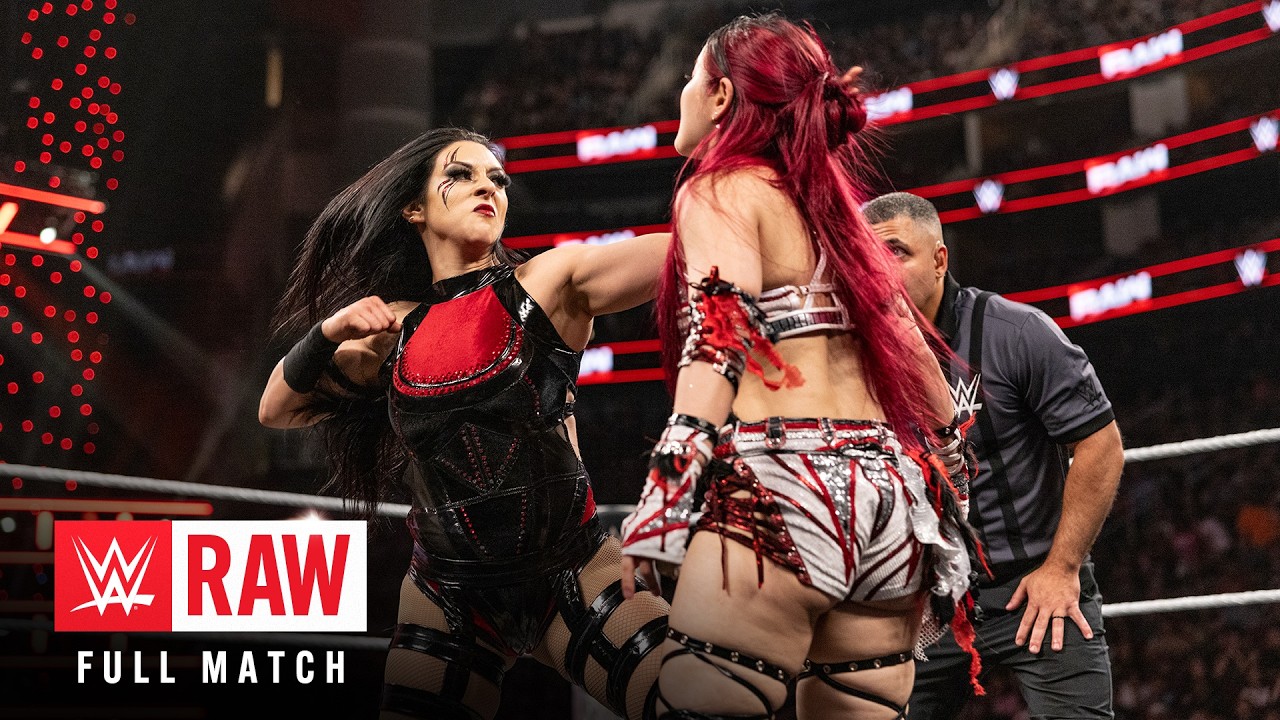
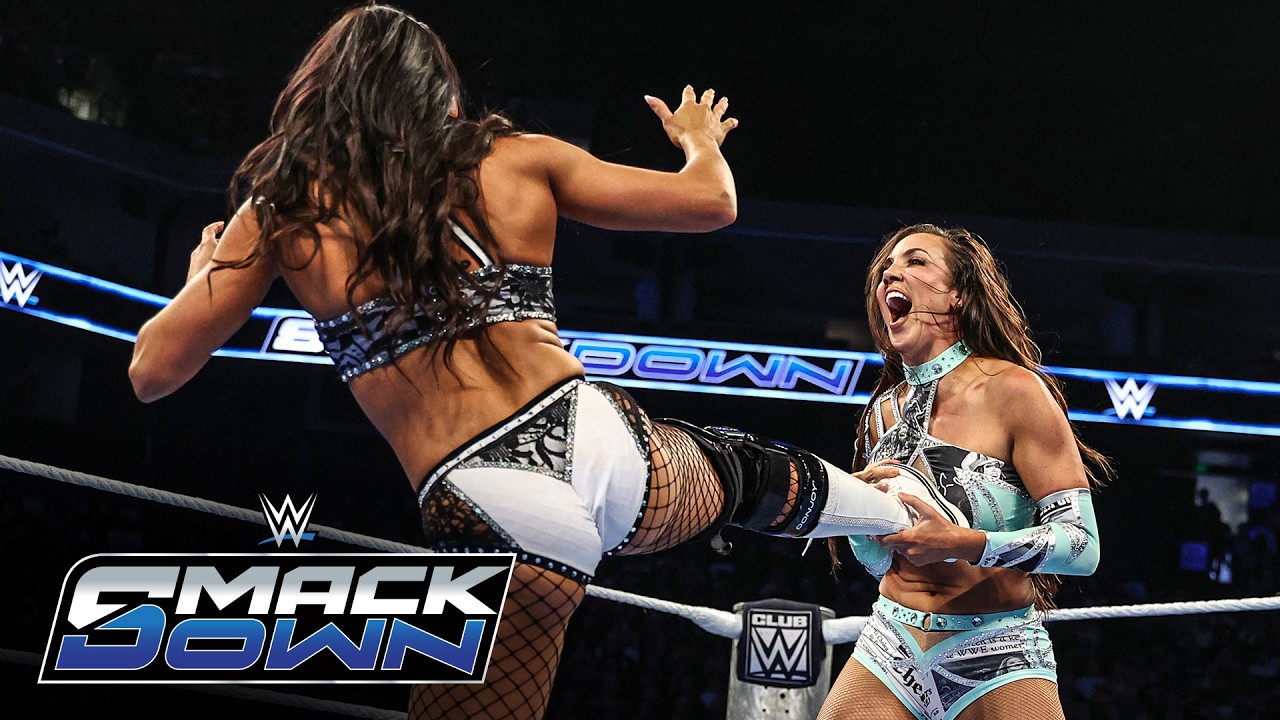
 Charlotte Flair vs. Nia Jax: How Jade Cargill Hijacked the SummerSlam Qualifier