Chelsea Green vs. Kiana James: Why the SummerSlam Qualifier Mattered
Chelsea Green defeated Kiana James with the Unprettier on the July 24, 2026 episode of Friday Night SmackDown, earning a place in the five-woman Ladder Match that will crown an Interim WWE Women’s Champion at SummerSlam. The televised bout lasted approximately four minutes, contained no outside interference, and ended after Green survived James’ early physical control, escaped a late finishing attempt and converted a counter into her decisive move.
Sponsored • Adults 18+ Only
Discover New Social Connections at Your Pace
Browse an adult-focused social platform designed for people who want to explore profiles, shared interests and new online conversations without pressure.
Availability, registration requirements and paid features vary by provider and region. Review all terms before joining.
The result answered the immediate search question, but the more interesting issue is what WWE accomplished with it. Green was not simply given another television win. She was moved from the edge of SmackDown’s women’s title picture into a major stadium match created because reigning WWE Women’s Champion Rhea Ripley is injured. In one short segment, WWE linked Green’s comedy-driven television persona, her history as the first Women’s United States Champion, her previous ladder-match experience and her complicated history with Kiana James into a credible SummerSlam opportunity.
The match also revealed the difference between the two performers’ positions. Green entered as an established main-roster character whose ability to turn limited screen time into memorable television has repeatedly earned her bigger opportunities. James entered as a dangerous but unsettled competitor, only weeks removed from the collapse of her alliance with Giulia and one day removed from losing to her former partner on Main Event. James looked stronger for much of the qualifier, yet Green left with the result that matters.
That contrast is the story of the match. James controlled space, applied pressure and showed why commentary continues to present her as a future contender. Green absorbed the offense, changed the pace at the right moments and won through timing rather than domination. It was a compact example of WWE’s preferred television logic: the wrestler who wins the majority of the exchanges does not necessarily win the match, especially when the opponent’s character is built around opportunism, survival and sudden reversals.
Research cutoff: July 26, 2026, 5:00 p.m. CEST. The final SummerSlam qualifier between Giulia and Lash Legend had been announced but had not yet taken place.
Chelsea Green vs. Kiana James at a Glance
- Promotion: WWE
- Show: Friday Night SmackDown
- Date: July 24, 2026
- Venue: Oakland Arena
- Location: Oakland, California, United States
- Match: Chelsea Green vs. Kiana James
- Stakes: Qualification for the Interim WWE Women’s Championship Ladder Match at SummerSlam
- Winner: Chelsea Green
- Method: Pinfall after the Unprettier
- Approximate televised match time: Four minutes
- Interference: None
- SummerSlam status after the match: Green joined Tiffany Stratton, Jade Cargill and Charlotte Flair; one place remained open
- Broadcast availability: SmackDown aired on USA Network in the United States, with WWE programming distributed internationally through regional partners including Netflix in many markets
- Video format: The supplied WWE upload is a highlights clip, not an uninterrupted presentation of the full television broadcast
The Immediate Result: Chelsea Green Is Going to SummerSlam
Green’s victory placed her in one of the most unusual women’s championship matches WWE has booked in recent years. Because Ripley was unable to defend the WWE Women’s Championship, WWE did not immediately vacate her title. Instead, authority figure Adam Pearce announced that an interim champion would be determined in a five-woman Ladder Match at SummerSlam. The eventual winner will hold a version of the championship while Ripley remains inactive, creating the expectation of a future match to establish one undisputed champion when the reigning titleholder returns.
By the end of the July 24 SmackDown, four wrestlers had qualified. Tiffany Stratton secured the first position by defeating Jacy Jayne on July 17. Jade Cargill advanced on the same episode by disqualification when Charlotte Flair interfered in Cargill’s match against Nia Jax. Green defeated James cleanly one week later. Flair then qualified by disqualification after Cargill attacked her during Flair’s match with Jax. WWE subsequently announced Giulia against Lash Legend for the fifth and final place.
Green therefore entered a field containing wrestlers with very different strengths. Stratton has explosive athleticism and direct experience winning a high-profile WWE ladder match. Cargill brings uncommon power and a visual presence that can reshape any multi-person match. Flair has the deepest world-title résumé of the confirmed entrants and is comfortable in championship environments. Green’s advantage is less obvious but potentially just as useful: she understands chaos.
A multi-person ladder match rewards more than power or conventional technical superiority. It rewards patience, positioning, awareness and the ability to exploit other wrestlers’ work. Green’s television character has long been constructed around finding a route through situations in which she is not expected to prevail. Sometimes that route involves allies, complaints or distractions. Against James, it involved no shortcut beyond a well-timed counter. The method was important because it allowed Green to enter SummerSlam as a legitimate qualifier rather than as a comedy addition or authority decision.
The clean pin also differentiated Green from two other confirmed qualifiers. Cargill and Flair reached the match through disqualification results shaped by their rivalry and by Nia Jax’s misfortune. Green’s place was settled inside the ring. That does not make her the favorite, but it gives WWE a straightforward basis for presenting her as deserving of the opportunity.
Why WWE Needed an Interim Women’s Champion
WWE officially stated that Ripley’s injury required an interim championship match at SummerSlam. The promotion did not need to publish a detailed medical diagnosis to establish the storyline fact: the champion could not defend her title at one of the company’s largest events, yet WWE wanted to preserve her reign rather than erase it through a vacancy.
That choice is notable because WWE has traditionally vacated championships when an injured titleholder cannot return within the promotion’s desired timetable. John Cena’s WWE Championship was vacated in 2007 after a major injury. Finn Bálor surrendered the Universal Championship in 2016 one day after becoming its inaugural holder. Many other title histories contain vacant periods caused by injury, suspension or scheduling problems. The interim approach allows WWE to keep Ripley’s championship identity intact while giving the active roster a meaningful prize.
WWE has used the concept before, although rarely. In 2020, NXT created an Interim NXT Cruiserweight Championship because Jordan Devlin could not travel to defend the title. Santos Escobar won the interim tournament, and the two champions later met in a Ladder Match to establish the undisputed titleholder. That precedent matters here because it demonstrates the narrative destination built into an interim championship: the temporary solution eventually demands unification.
The decision also gives SummerSlam a women’s championship match with immediate consequence. A simple number-one-contender Ladder Match would have offered future value. An interim-title match guarantees a champion will be crowned in Minneapolis. It creates a visual ending, gives the winner a championship identity and supplies Ripley with an obvious rivalry on her return.
There are drawbacks. An interim champion can appear secondary if WWE repeatedly reminds viewers that another wrestler is the “real” champion. The winner needs strong follow-up, meaningful defenses and enough independence to avoid feeling like a placeholder. WWE must also explain the title’s status consistently. Is every defense recognized within the same lineage? Does Ripley remain champion for the full duration? Will the belts be unified in a standard match, another ladder match or a champion-versus-champion bout? Those questions do not damage the concept, but the promotion will eventually need clear answers.
For Green, the ambiguity may actually help. Her character can work with status anxiety, disputed legitimacy and the resentment of rivals who believe they are more deserving. An interim reign would give her material whether WWE presents her as a clever survivor, a self-important officeholder or an underestimated champion trying to prove she belongs.
Sponsored • Adults 18+ Only
Create a Virtual Companion Around Your Preferences
Explore an AI-powered companion experience where you can select a virtual character’s style, personality and conversation preferences for private online interaction.
AI companions are virtual characters and are not real people. Features, subscriptions and pricing may vary by provider.
The Story Behind Chelsea Green and Kiana James
The July 24 match was promoted as their first significant singles confrontation, but Green and James were not strangers. Their paths had crossed through the Women’s United States Championship story, the alliances surrounding Giulia and multiple tag-team situations. To understand why the result carried more weight than a routine qualifier, it is necessary to return to late 2025 and early 2026.
Green became the inaugural Women’s United States Champion on December 14, 2024, defeating Michin at Saturday Night’s Main Event. That accomplishment permanently changed her place in WWE history. Before the title victory, she was widely recognized as an elite character performer who could make losses, complaints and backstage comedy useful. The championship proved WWE trusted her to give a new title an identity.
Giulia later became champion and was paired with James, who returned from a lengthy injury absence in 2025. James was presented as Giulia’s official representative: part manager, part strategist and part in-ring partner. The pairing used James’ businesswoman persona to supply structure and English-language promotional support while allowing Giulia’s physical intensity to remain central.
Green regained the Women’s United States Championship from Giulia on November 7, 2025, becoming the first two-time holder. At the time she also held the AAA World Mixed Tag Team Championship with Ethan Page, giving WWE an easy “double champion” talking point. Her second U.S. title reign ended on January 2, 2026, when Giulia reclaimed the championship after James distracted the official and prevented a Green pin attempt.
That January finish created a direct grievance between Green and James. James did not pin Green, but she materially influenced the loss. From Green’s perspective, James helped take away a championship that had become central to her WWE identity. From James’ perspective, interfering successfully was proof that her representation of Giulia produced results.
The alliance then deteriorated. Giulia and James failed in a WWE Women’s Tag Team Championship challenge, encountered further setbacks and increasingly blamed one another. Their tension became explicit after James lost in the Queen of the Ring tournament on June 5, 2026. James declared the partnership finished and shoved Giulia; Giulia responded physically. The conflict continued on later SmackDown episodes and eventually produced a singles match on the July 23 episode of Main Event, which Giulia won.
James therefore arrived in Oakland at a difficult point in her storyline. She had lost her partnership, lost to her former associate and then faced Green, a wrestler with an unresolved reason to distrust her. WWE did not build the qualifier around revenge, but the history gave the match a layer that viewers who followed the division could recognize.
Chelsea Green’s Route from Comic Relief to Championship Credibility
Green’s WWE value has never depended solely on a conventional win-loss record. Her strength is the ability to occupy several roles at once. She can be an antagonist, a comedy figure, an opportunist, an underdog and a credible champion without requiring a total character reset between them.
That flexibility is rare. Many wrestling characters become trapped by their presentation. A dominant wrestler can lose aura when booked in comedy. A comedy wrestler can struggle to feel serious when placed in a title match. Green moves between those spaces because her reactions remain consistent. She treats every situation as though it is personally outrageous, professionally unacceptable or somehow beneath the standard she believes she deserves. The humor comes from the scale of the reaction, not from an absence of competitive ambition.
Her first Women’s United States Championship run demonstrated how that character can support a title. Green celebrated as though she had captured the most important prize in the industry, surrounded herself with allies and used ceremony to enlarge the championship’s presence. The reign was not based on a sudden transformation into an unbeatable athlete. It was based on making the title matter to the character.
Her in-ring style complements that approach. Green is experienced enough to work longer matches, but WWE often uses her in compact segments where expression and timing are more important than volume. She bumps dramatically, understands where the camera is positioned and can make a single escape or counter feel larger because the audience has already seen her in danger.
The qualifier against James followed that model. Green did not need to overpower her opponent. She needed to survive the opening pressure, create two or three convincing changes of momentum and hit the Unprettier when James left an opening. The result looked like a Chelsea Green victory rather than a generic finishing sequence assigned to any performer.
Her history in ladder matches also gives the SummerSlam booking logic. Green competed in the 2024 Women’s Money in the Bank Ladder Match, where Tiffany Stratton won the contract. Green’s performance became memorable in part because of her willingness to take a major fall from a ladder through tables at ringside. The moment reinforced two truths about her: she can contribute spectacle to a dangerous multi-person match, and she can remain memorable even when she does not win.
SummerSlam offers a different objective. The prize is not a contract for a future title match; it is the interim championship itself. Green already knows how to build tension around climbing, fear and risk. If WWE uses her past ladder-match behavior intelligently, she can enter the match reluctant to take unnecessary punishment while remaining alert for an unguarded path to the title.
Kiana James: A Stronger Wrestler Than Her Recent Results Suggest
James’ loss should not be confused with a lack of ability. WWE’s own presentation has consistently emphasized her athletic background, preparation and calculated aggression. Her businesswoman character is designed around research and control: she studies an opponent, identifies a weakness and attempts to manage the match like a transaction.
In NXT, James progressed from the 2022 Women’s Breakout Tournament into sustained television stories. Her rivalry and eventual partnership with Fallon Henley gave her character a clear social contrast. James represented corporate ambition and development; Henley represented a working-class attachment to her family’s bar. Their feud eventually became an unlikely alliance, and they won the NXT Women’s Tag Team Championship at Vengeance Day in February 2023.
James also challenged Tiffany Stratton for the NXT Women’s Championship in 2023 and remained a reliable opponent for many of the brand’s most important wrestlers. She was drafted to Raw in 2024, defeated Natalya in her first Raw singles match and then disappeared from television because of injury. The absence interrupted the normal process by which an NXT call-up establishes a main-roster identity.
Her 2025 return alongside Giulia was therefore both useful and limiting. The partnership immediately placed James near a championship, but it defined her through another wrestler. She negotiated, interfered and wrestled tag matches, yet Giulia was the champion and visual centerpiece. When the alliance ended, James needed to prove that the representative was also a standalone threat.
She made progress in early 2026. James entered the Royal Rumble, qualified for the Women’s Elimination Chamber Match by defeating Charlotte Flair and Nia Jax in a triple threat, and competed in the Chamber itself. Those opportunities established that WWE viewed her as more than a manager. At the same time, the losses that followed prevented her from consolidating that position.
The Green match arrived at an awkward moment. James had just lost to Giulia on Main Event, so a victory over Green would have immediately restored her momentum and sent her to SummerSlam. Instead, the second defeat reinforced a period of instability. WWE protected her within the match by allowing her to control much of the offense and score a close near fall with the Falcon Arrow, but the record still shows another loss.
The next step matters. If James returns to television with no response, the qualifier may become another example of a talented wrestler being used to advance someone else. If she uses the defeat to intensify her character—perhaps arguing that poor management, not poor ability, caused her decline—the loss can become part of a coherent reset.
Sponsored • Adults 18+ Only
Looking for a Different Kind of Conversation?
Explore an adult social-chat service where available features may include profile browsing, private messaging and interest-based conversation.
Services, eligibility, registration requirements and pricing vary. Review the provider’s terms before joining.
Match Analysis: Four Minutes with a Clear Purpose
Short television matches are easy to dismiss because they do not offer the time required for layered selling, extensive escalation or a long finishing stretch. That criticism is fair when a division repeatedly receives limited minutes. It is also possible, however, to judge a match according to the purpose it was given. Green and James were asked to establish the stakes, present James as physically dangerous, show Green’s resilience and produce a decisive qualifier before the program moved to its next major segment.
The match opened with James taking the initiative. She drove Green toward the floor, used repeated knees and controlled the area around the timekeeper’s barrier. The physical image was straightforward: James was the aggressor, while Green was forced to react. This supported commentary’s description of James as someone attempting to make up for lost time.
The ringside sequence also made the transition back into the ring more meaningful. James had established that she could win exchanges through force. Green’s task was to change the tempo rather than meet that force directly. She avoided an elbow drop, accelerated into a comeback and used quicker attacks to interrupt James’ control.
Green’s offensive burst included the kind of broad, recognizable movements that work well in a compressed television match. She did not attempt a long technical sequence. She created separation, hit moves that could be read immediately by the live crowd and generated a near fall. James then recovered and responded with a Falcon Arrow, producing the match’s strongest near fall and making Green’s qualification feel uncertain for at least one count.
The finishing exchange was built around counters. Green initially looked for the Unprettier, James resisted, and the two moved through a brief sequence of kicks and reversals. James appeared close to regaining command, but Green used the opening to hit the Unprettier and secure the pin.
The clean ending was the correct choice. Interference would have protected James more obviously, but it would have weakened Green’s qualification and added noise to a match that already had limited time. WWE had another qualifier later in the show that ended through disqualification and outside involvement. Giving Green a direct pin diversified the qualifying stories and made her advancement simpler.
The Opening Control Period
James’ opening offense performed two jobs. First, it reminded viewers that her recent losses had not removed her physical credibility. Second, it positioned Green as the wrestler who would need to survive rather than dominate.
The repeated knees were especially appropriate for James. They looked methodical rather than emotional, matching a character who prefers deliberate pressure. Moving Green onto and around the barrier expanded the visual environment without turning the match into a weapons brawl. The risk came from body position and impact rather than from props.
There was also a useful contrast in body language. James appeared focused on completing a task. Green sold alarm, pain and urgency. In a longer match, those expressions might need variation. In a four-minute qualifier, clarity is an advantage.
Green’s First Comeback
The missed elbow drop was the first major change in control. James had enough confidence to continue pressing after dominating at ringside, but Green created space through avoidance. That is an important distinction. Green did not suddenly overpower James; she allowed James’ momentum to work against her.
Green’s comeback then accelerated quickly. This is one of her most useful television skills. Her character often appears overwhelmed until a small mistake creates an opening, at which point she moves with surprising speed. The burst makes her seem more dangerous than her earlier panic suggested.
The sequence also helped commentary shift from emphasizing James’ upside to reminding viewers that Green is a highly competent in-ring performer. That verbal reframing mirrored the action. The match began as a showcase of James’ aggression and became a demonstration of Green’s ability to seize a moment.
The Falcon Arrow Near Fall
James’ Falcon Arrow was the most important move she hit because it established a believable finish. Without that near fall, the match would have felt like a simple control segment followed by Green’s comeback. The Falcon Arrow allowed James to regain authority after Green’s burst and forced the audience to consider that the recent loser to Giulia might still reach SummerSlam.
The kickout also protected Green’s toughness. Her comedy persona can occasionally obscure how much punishment she takes. Surviving a strong late move before winning reinforced that she did not advance through luck alone.
The Unprettier Finish
The Unprettier is effective for Green because it can emerge from a scramble. It does not require a long setup, a top-rope position or an opponent to remain stationary for several seconds. In a match built around sudden changes, that versatility matters.
Green’s first attempt was stopped, which prevented the finish from feeling automatic. James briefly appeared to have solved the move. Green then reached it through another counter and hit it cleanly. The pin followed immediately, with no visual uncertainty about the winner.
The finish arguably protected James more than a prolonged domination followed by defeat would have. She lost because Green won a short exchange at the decisive moment, not because Green proved superior in every phase. That is standard wrestling protection, but it works only if the loser’s offense is meaningful. The Falcon Arrow near fall supplied that meaning.
What the Match Did Well
The strongest feature was efficiency. Every phase supported the central result. James controlled early, Green rallied, James nearly won, and Green countered into the finish. There were no unrelated comedy spots, no unnecessary interference and no post-match angle that distracted from the qualification.
The match also used character rather than requiring viewers to forget it. Green did not become a conventional serious wrestler for four minutes. She remained expressive and reactive while demonstrating skill. James did not abandon the disciplined aggression associated with her business persona. The action looked like an interaction between these two characters rather than a sequence that could have been assigned to any pair.
Another positive was the decisive pin. In a television environment filled with disqualifications, distractions and protected finishes, a clean result can feel refreshing. Green earned the place. James can object to the outcome, but she cannot claim the referee missed outside interference.
The bout also improved Green’s SummerSlam credibility without asking the audience to believe she had suddenly become the division’s most dominant athlete. She won in the way her character should win: by staying alive, recognizing the opening and executing correctly.
What the Match Could Not Accomplish
The obvious limitation was time. Approximately four minutes is enough to create a result, but not enough to develop a deep singles match between two experienced performers. The history involving Giulia, the Women’s United States Championship and James’ recent losses remained mostly outside the match rather than being expressed through sustained targeting or callbacks.
James in particular would have benefited from more room. Her character is based on strategy, yet the match did not last long enough for a detailed plan to emerge. She controlled Green physically, but viewers were not shown a specific piece of scouting beyond resistance to the first Unprettier attempt.
The pace also required transitions to happen quickly. Green’s comeback, James’ Falcon Arrow and the finishing counters arrived in close succession. That is normal for a short television match, but it limits emotional escalation. A viewer could appreciate the moves without feeling that the wrestlers had exhausted multiple routes to victory.
There is a broader divisional concern as well. Major women’s stories received substantial SummerSlam stakes, yet the qualifier itself remained brief. WWE must ensure that the stadium Ladder Match receives enough time and preparation to feel like a championship centerpiece rather than a solution inserted around other programs.
Sponsored • Adults 18+ Only
See Which Adult Social Experience Is Available
Continue to an age-restricted offer that may feature social discovery, online chat, dating or an AI-powered virtual-companion service, depending on your region and device.
The destination and available service may vary by device, region and provider. Registration, subscriptions or charges may apply.
Why Chelsea Green Fits a Multi-Woman Ladder Match
A successful multi-person ladder match requires distinct roles. If every competitor approaches the stipulation in the same way, the match becomes a series of interchangeable climbs and falls. The SummerSlam field already contains clear physical archetypes, and Green adds a role that WWE can use to organize the chaos.
Stratton can provide aerial athleticism and confidence. Cargill can supply power spots that involve ladders as obstacles or weapons. Flair can act as the experienced championship strategist. The final entrant will add another variable, whether it is Giulia’s striking intensity or Lash Legend’s size. Green can become the opportunist who spends portions of the match avoiding the most dangerous exchanges while repeatedly searching for an unguarded ladder.
That role does not require cowardice. It requires selective risk. Green’s 2024 Money in the Bank performance already demonstrated that she can take a major ladder-match fall when the structure demands it. WWE can build around the audience’s memory of that risk by having Green initially hesitate, then climb when the championship is within reach.
She also understands visual storytelling. Ladder matches are performed for the live audience and for cameras that must capture simultaneous action. Green’s broad reactions can direct attention toward an attempted climb, an unexpected recovery or the arrival of a stronger opponent. That skill is valuable in a match where several stories occur at once.
Most importantly, Green is a believable winner without being an obvious favorite. The audience can imagine her stealing the title while other wrestlers are incapacitated. That possibility creates suspense every time she touches a ladder. A dominant favorite climbing slowly may create anticipation; Green climbing quickly can create alarm.
The Confirmed SummerSlam Field
Tiffany Stratton
Stratton qualified by defeating Jacy Jayne on July 17. She brings direct ladder-match success because she won the 2024 Women’s Money in the Bank Ladder Match. Her athleticism, top-rope offense and comfort with visually ambitious spots make her one of the most natural favorites in the field.
Stratton also has history with Green. They shared the 2024 ladder match and have repeatedly occupied the same SmackDown title ecosystem. A SummerSlam exchange between them can reference that earlier competition without requiring a separate feud.
Jade Cargill
Cargill qualified by disqualification when Flair interfered in her match against Nia Jax. Her route to the match is tied to the continuing Flair rivalry, which means her attention may be divided. In a ladder match, personal conflict can be as dangerous as the ladders themselves. Cargill may prioritize damaging Flair even when the championship is available.
From a structural perspective, Cargill can serve as the obstacle every other wrestler must solve. Her power allows WWE to create group attacks, ladder-breaking images and sudden clearances of the ring.
Charlotte Flair
Flair advanced by disqualification after Cargill attacked her during the July 24 match with Jax. She enters as the most decorated world-title wrestler among the confirmed competitors. That experience gives her an immediate claim to legitimacy, although ladder matches reduce the value of conventional championship experience because no pinfall or submission is required.
Her rivalry with Cargill creates both opportunity and risk. They can eliminate one another from contention, allowing Green or another entrant to climb. Alternatively, Flair can use Cargill’s aggression against her and redirect the conflict toward the title.
Chelsea Green
Green qualified through the cleanest result of the July 24 women’s matches. Her strengths are timing, opportunism and experience creating memorable ladder-match moments. She is unlikely to be presented as the wrestler who controls the entire contest, but she may be the competitor most capable of winning during someone else’s fight.
The Final Place: Giulia or Lash Legend
As of the research cutoff, WWE had announced Giulia against Lash Legend for the final position. The winner changes the balance of the match. Giulia would add striking, urgency and direct history with Green and James. Legend would add another major power wrestler and an alliance connection to Nia Jax.
Green has meaningful history with Giulia. She defeated Giulia for the Women’s United States Championship in November 2025, then lost it back in January after James’ interference. A SummerSlam meeting would reopen that rivalry on a larger stage. Legend offers a different problem: her size could make Green’s survival strategy even more necessary.
Sponsored • Adults 18+ Only
Connect Through an Adult Social Discovery Platform
Browse an adult social experience that lets adults explore profiles, shared interests and possible new conversations at their own pace.
Adults only. Availability, registration requirements, subscriptions and platform features vary by provider.
Could Chelsea Green Actually Win the Interim Championship?
Yes, but possibility should not be confused with probability. Green is a credible winner because the stipulation does not require her to defeat every opponent directly. WWE can crown her without having her pin Stratton, Cargill or Flair. That protects the division’s strongest wrestlers and immediately creates several challengers who can claim Green never beat them.
A Green victory would also create a clear character story. She could celebrate the interim title as though no qualification were attached to it, reject suggestions that Ripley remains the primary champion and demand full recognition. Every challenger would have a reason to resent her. Ripley’s return would then place Green in the most serious test of her championship identity.
There is also a business and presentation advantage. Green is a dependable media personality who can carry a title through interviews, social clips, backstage segments and live-event promotion. An interim reign may require frequent explanation, and Green is capable of turning explanation into character work.
The argument against her is equally clear. WWE may want the interim champion to feel immediately comparable with Ripley. Flair or Cargill offers obvious marquee value. Stratton provides athletic credibility and previous ladder success. If Giulia qualifies, her international reputation and hard-hitting style may make her a compelling champion. Green’s comedic history can be an asset, but WWE would need to protect the title from becoming a prop.
The best evidence is the way she qualified. WWE could have advanced Green through interference, a roll-up after distraction or an authority decision. Instead, she pinned James with her finisher. That does not confirm a SummerSlam victory, but it shows the promotion wanted her entrance into the match to be based on an in-ring result.
Sponsored • Adults 18+ Only
Explore Profiles Built Around Shared Interests
Discover an adult social platform that may help you browse profiles and start conversations based on interests, preferences and the type of connection you want to explore.
Profile availability and communication features differ by location. Registration or paid access may be required.
What the Result Means for Kiana James
James did not qualify for SummerSlam, and that is the unavoidable consequence. The more useful question is whether the performance gave WWE a direction for her after the Giulia partnership.
The match showed that James can control an established main-roster opponent without relying on a manager. Her offense looked credible, her Falcon Arrow produced a near fall and she countered Green’s first finishing attempt. Those details provide material for future matches. They do not, however, replace wins.
James’ current story can develop in several evidence-based directions. The first is a continued rivalry with Giulia. Their July 23 match may not be the final chapter, especially if Giulia qualifies for SummerSlam and James believes her former partner received the opportunity she deserved. James could interfere in the final qualifier or attack Giulia afterward, although no such development was confirmed at the research cutoff.
A second route is a more independent version of the businesswoman character. James can argue that representing Giulia distracted her from her own career. She can rebuild by selecting opponents, presenting scouting reports and pursuing measurable goals. This would preserve the strongest part of her persona without returning her to a secondary role.
A third route is a renewed tag-team focus. James is a former NXT Women’s Tag Team Champion and has already shown she can work within partnerships. The risk is that another immediate alliance could make the Giulia breakup feel inconsequential. WWE should first establish what James wants as an individual.
Whatever route WWE chooses, the booking should acknowledge the pattern of losses. Wrestling stories become stronger when setbacks affect characters. James can become more aggressive, more controlling or more willing to manipulate circumstances because direct competition has not produced the results she expected.
The Women’s United States Championship Connection
The Women’s United States Championship is the hidden thread connecting Green, James, Giulia and Stratton. Green became the inaugural champion and later the first two-time champion. Giulia’s reign was supported by James. Stratton eventually defeated Giulia for the title. Those relationships now converge around the interim world championship.
For Green, the U.S. title established that she could define a new championship. For James, it provided her main-roster role and demonstrated that her interference could change title history. For Giulia, it was the central prize of her early SmackDown run. For Stratton, it became another step in her progression toward the top title scene.
This connection matters because the SummerSlam match is not a random collection of wrestlers. Several entrants have already competed over the secondary title or influenced its direction. The ladder match elevates those existing relationships into the world-title picture.
WWE can use that history during the match. Green and Stratton know one another’s ladder-match tendencies. Green and Giulia, if Giulia qualifies, have traded the U.S. championship. Cargill and Flair are focused on each other. The match can therefore contain multiple small rivalries rather than relying exclusively on spectacular falls.
The U.S. title’s position also creates a booking challenge. Stratton entered the interim-title field while holding a championship of her own. WWE must avoid making the Women’s United States Championship appear irrelevant simply because a world-title opportunity became available. If Stratton wins the interim title, the promotion will need to decide whether she remains a double champion, vacates the secondary title or defends both. If she loses, the match should still strengthen her existing reign.
Sponsored • Adults 18+ Only
Shape a Virtual AI Companion Your Way
Explore a customizable artificial-intelligence experience with virtual characters, adjustable personalities and private conversations based on the preferences you select.
AI companions are virtual characters, not real people. Features, subscriptions and pricing vary by provider.
Why the Interim Concept Changes the Match Psychology
A standard vacant-title Ladder Match crowns a champion with no competing claim. An interim-title Ladder Match creates a winner who knows another champion still exists. That knowledge can shape both the match and the aftermath.
Every competitor is climbing toward authority that is immediately conditional. The winner can call herself champion, defend the title and appear with the belt, but Ripley’s return remains part of the story. This may make the contestants more desperate to win decisively and then build a record strong enough to reject the “temporary” label.
For Green, conditional authority fits perfectly. Her character is unusually sensitive to status and recognition. She could interpret any qualification as an insult and any reference to Ripley as disrespect. The gap between how Green describes the title and how rivals describe it would generate television conflict without requiring fabricated backstage motives.
For Flair, an interim reign could be framed as another world-title accomplishment, but the disputed nature might clash with her emphasis on championship legacy. For Cargill, winning would create a direct route back toward Ripley, who defeated her for the title at WrestleMania 42. For Stratton, the title would accelerate her movement from secondary champion to world champion. For Giulia or Legend, victory would represent a major leap.
The stipulation also removes the champion’s advantage normally present in a defense. No one enters with the title. There are no count-outs or disqualifications capable of preserving a reign. The first wrestler to retrieve the championship becomes the interim titleholder. That simplicity is useful, but WWE must make the object and rules visually clear throughout the broadcast.
Historical Parallel: Santos Escobar and Jordan Devlin
The strongest WWE precedent is the NXT Cruiserweight Championship situation that began in 2020. Jordan Devlin held the title but was unable to travel and defend it. NXT created an interim tournament, Santos Escobar emerged as champion, and both men later claimed legitimacy. Their conflict ended in a Ladder Match at NXT TakeOver: Stand & Deliver in April 2021, where Escobar won and became the undisputed champion.
The parallel is not exact. Devlin’s absence resulted from travel circumstances during the pandemic rather than the same kind of injury situation. The cruiserweight interim champion was determined through a tournament, while SummerSlam uses a single five-woman ladder match. Still, the core logic is similar: the promotion keeps an existing champion recognized, crowns an active champion and promises eventual resolution.
The Escobar-Devlin story also demonstrates a risk. The interim period lasted long enough for the championship identities to become complicated. The unification match worked because both men had time to develop competing claims. WWE should decide whether it wants a similarly extended story with Ripley or a shorter bridge.
If Ripley’s absence is brief, the SummerSlam winner may have only a small number of defenses before unification. If the absence is longer, the interim champion needs independent programs so the reign becomes more than waiting. Green would be especially suited to the latter scenario because she can generate weekly conflict with a wide range of opponents.
Sponsored • Adults 18+ Only
Build an AI Character for Private Conversation
Choose from available virtual AI personalities or customize a digital companion’s appearance and conversational style for an experience shaped around your preferences.
All characters are artificial-intelligence creations, not real people. Provider features, subscriptions and content controls vary.
SummerSlam 2026 Context
SummerSlam is scheduled for August 1 and 2, 2026 at U.S. Bank Stadium in Minneapolis, Minnesota. WWE announced the two-night event in May 2024, making it the first WWE stadium event in Minneapolis and the city’s second SummerSlam after the 1999 edition at Target Center.
The interim championship match therefore takes place in a setting designed for major visual spectacle. Stadium ladder matches carry different production demands from weekly television. The ladders must remain visible across a large venue, climbs must be paced for distant spectators and major moments are often arranged around wide camera shots.
Green’s expressive performance style should translate well to that environment. Small technical details can disappear in a stadium, but fear at the top of a ladder, a sudden sprint toward an unattended belt or a dramatic fall can be understood immediately.
The match also benefits from the two-night structure. WWE has more total card space than it would on a one-night SummerSlam, although the promotion still must manage a large number of programs. The interim title should receive enough time to establish each entrant, build several climbing attempts and preserve the winner’s moment.
In the United States, WWE advertised SummerSlam for the ESPN App with an ESPN Unlimited plan. WWE listed Netflix for international streaming in many markets. Availability can vary by country, and viewers should confirm local listings before the event.
How Commentary Framed Green and James
The commentary in the highlights emphasized James’ focus and potential while repeatedly reminding viewers that Green is more capable than her theatrical personality may suggest. That framing was not accidental. It told the audience how to interpret the matchup.
James was the wrestler attempting to make up for lost time. Her injury absence and uneven return formed the background. Commentary treated her as someone many observers believe could rise quickly if she converts potential into results.
Green was framed as dangerous when opponents underestimate her. This is the essential defense of her character. The salute, complaints and dramatic reactions may invite opponents to treat her as unserious. The match punished that assumption. James controlled most of the action but failed to finish when Green created the decisive opening.
The balance was useful because it protected both performers. James’ loss did not erase the sense that she has upside. Green’s victory did not require commentary to pretend she dominated. Each wrestler left with a recognizable identity.
Critical Response and the Problem of Predictability
Independent recaps generally treated Green’s victory as unsurprising. James had lost to Giulia on the July 23 episode of Main Event, while Green was the more established television character and a natural addition to a multi-woman ladder match. Pro Wrestling Torch recorded the bout at approximately four minutes and summarized the finish as Green catching James with the Unprettier.
Predictability is not automatically a flaw. Qualifying matches often exist to formalize a direction that viewers already expect. The question is whether the match adds information beyond the result. Green and James did. James’ control suggested WWE still sees her as physically credible, while Green’s clean pin gave her SummerSlam place legitimacy.
The criticism is that WWE could have created more suspense by separating James’ loss to Giulia from the qualifier. Booking her to lose on consecutive programs made the outcome easier to anticipate. A win on Main Event, or even a longer gap between matches, would have made James feel like a stronger possibility.
There is also a missed opportunity in the limited use of their history. James had helped cost Green the U.S. title in January. A brief backstage exchange or commentary reminder could have made the qualifier feel like a delayed reckoning. The information existed, but the television presentation prioritized the SummerSlam stakes.
Booking Analysis: What WWE Accomplished
The booking appears designed to achieve five goals.
- Add an experienced ladder-match performer to SummerSlam. Green’s 2024 Money in the Bank appearance proved she can contribute to the stipulation’s spectacle.
- Give Green a clean qualifying result. This makes her presence feel earned and distinguishes her route from the disqualification qualifiers.
- Keep James credible in defeat. She controlled the early match, hit a strong near fall and stopped the first finishing attempt.
- Use the match as a pacing change on a promo-heavy SmackDown. The bout delivered a quick athletic segment with clear stakes.
- Preserve multiple SummerSlam outcomes. Green can win believably through opportunism or lose memorably without damaging her character.
The match did not attempt to launch a major Green-James rivalry. That may disappoint viewers who wanted the January title interference revisited, but it kept the story focused on SummerSlam.
Sponsored • Adults 18+ Only
Explore Adult Conversation Without the Hype
Visit an age-restricted chat platform where adults can review available social features and decide how they want to interact online.
Services, eligibility, registration requirements and pricing vary. Review the provider’s terms before joining.
Possible SummerSlam Finishes Involving Chelsea Green
No finish was confirmed at the research cutoff, so the following possibilities are editorial analysis rather than reporting.
Green Steals the Championship
The most character-consistent Green victory would occur after other wrestlers execute the match’s largest risks. Cargill and Flair could fight away from the ladder, Stratton could be removed after an aerial attempt, and Green could climb into the empty space. The finish would be simple and generate immediate challengers.
Green Nearly Wins Before a Major Fall
WWE may use the audience’s memory of the 2024 Money in the Bank fall. Green could overcome her fear, reach the belt and then be stopped by the eventual winner. This would give her another signature ladder-match image without making her champion.
Green and Stratton Revisit Money in the Bank
Because Stratton won their previous major ladder match, WWE can stage a final climb between them. Green would have a reason to believe she understands Stratton’s strategy, while Stratton could again prove superior in the stipulation.
Giulia Costs Green
If Giulia qualifies, their Women’s United States Championship history creates a natural confrontation. Neither woman needs to pin the other, so one can prevent the other from winning and extend the rivalry after SummerSlam.
Green’s Allies Become a Factor
Multi-person ladder matches have no disqualifications, making outside involvement possible. WWE could use members of Green’s broader alliance history, but doing so would risk overcrowding a match that already contains five wrestlers and the Cargill-Flair rivalry. A clean internal story would be preferable unless interference creates a clear next program.
Sponsored • Adults 18+ Only
Find a Social Platform That Matches Your Mood
Explore an adult-oriented service for casual online conversation and social discovery, with available features determined by the provider you reach.
No response or connection is guaranteed. Registration, eligibility and charges depend on the destination provider.
What WWE Should Do with Green Before SummerSlam
The remaining television time should establish Green’s strategy. WWE does not need another long match. A strong backstage segment could show her studying ladders, reviewing footage from 2024 or explaining why the other entrants will become distracted by personal rivalries.
Green should also interact with at least one confirmed opponent. A confrontation with Stratton would reference their shared ladder history. An exchange with Flair could emphasize the contrast between championship pedigrees. A meeting with Cargill could show Green attempting to avoid a physical fight while quietly measuring the threat.
The final qualifier provides another opportunity. Green has history with Giulia and has previously competed against Lash Legend in multi-person qualifiers. Her reaction to the winner can connect the field before SummerSlam.
WWE should avoid reducing Green’s preparation to fear alone. Her nervousness around ladders is entertaining, but she has already demonstrated that she will take risks. The stronger story is that she remembers the danger and believes intelligence can prevent a repeat.
What WWE Should Do with James After the Loss
James needs a visible response. Silence would make the qualifier feel like an endpoint. A promo can turn the result into motivation and explain how she interprets the consecutive losses.
The most coherent version of James would reject the idea that she failed. She could argue that representing Giulia delayed her own ascent, that Green won one exchange rather than the match as a whole, and that WWE’s qualifying system rewarded chaos instead of preparation. Those claims would be self-serving, but they would fit her character.
James also needs opponents who allow her to demonstrate strategy. A series of short but purposeful wins would be more useful than immediately placing her in another crowded multi-person match. Targeted offense, pre-match scouting and controlled finishes can restore the “calculated” part of her identity.
A renewed Giulia feud remains available, but WWE should avoid endless 50-50 booking. Their conflict needs a clear consequence, such as a decisive stipulation match or a championship opportunity, rather than repeated attacks without progression.
Related Matches Worth Watching
Chelsea Green in the 2024 Women’s Money in the Bank Ladder Match
This is the most relevant comparison because it shows Green in the same basic stipulation against a field that included Tiffany Stratton. Stratton won, while Green delivered one of the match’s most memorable danger spots. The match explains why Green can contribute to SummerSlam even if she is not presented as the strongest athlete.
Chelsea Green vs. Michin, December 14, 2024
Green defeated Michin to become the inaugural Women’s United States Champion. The match is essential for understanding how WWE converted her character popularity into championship credibility.
Giulia vs. Chelsea Green, November 7, 2025
Green’s victory made her the first two-time Women’s United States Champion. It also deepened the connection among Green, Giulia, James and Alba Fyre that continued into 2026.
Giulia vs. Chelsea Green, January 2, 2026
Giulia regained the title after James distracted the official. This is the most direct storyline background for Green vs. James because it gave Green a reason to view James as more than a random qualifier opponent.
Giulia vs. Kiana James, July 23, 2026
The Main Event match occurred immediately before James faced Green. Giulia’s victory reinforced the collapse of their alliance and shaped perceptions that James entered the qualifier without momentum.
Santos Escobar vs. Jordan Devlin, NXT TakeOver: Stand & Deliver 2021
This Ladder Match unified the recognized and interim NXT Cruiserweight Championships. It is WWE’s clearest historical example of how an interim-title story can eventually produce an undisputed champion.
Frequently Asked Questions
Who won Chelsea Green vs. Kiana James?
Chelsea Green won by pinfall after hitting the Unprettier.
When did Chelsea Green vs. Kiana James happen?
The match took place on the July 24, 2026 episode of WWE SmackDown.
Where did the match take place?
SmackDown was held at Oakland Arena in Oakland, California.
What was at stake?
The winner qualified for the five-woman Interim WWE Women’s Championship Ladder Match at SummerSlam 2026.
Why is WWE crowning an interim women’s champion?
WWE announced the interim title match because reigning WWE Women’s Champion Rhea Ripley is injured and unable to defend the championship at SummerSlam.
Did anyone interfere in Chelsea Green vs. Kiana James?
No. Green won without outside interference.
How long was the match?
Independent live coverage recorded the televised match at approximately four minutes. WWE’s official highlight clip is shorter than the complete broadcast presentation.
Was the supplied YouTube upload the full match?
No. WWE labels the upload as SmackDown highlights, and its edited duration does not represent an uninterrupted full-broadcast presentation.
Who had already qualified for SummerSlam?
After the July 24 episode, the confirmed entrants were Tiffany Stratton, Jade Cargill, Chelsea Green and Charlotte Flair.
Who will receive the final place?
As of July 26, 2026, WWE had announced Giulia vs. Lash Legend as the final qualifying match. The result had not yet occurred at the research cutoff.
Has Chelsea Green competed in a WWE ladder match before?
Yes. Green competed in the 2024 Women’s Money in the Bank Ladder Match, which Tiffany Stratton won.
Has Kiana James held a WWE championship?
Yes. James and Fallon Henley held the NXT Women’s Tag Team Championship in 2023.
Where the Qualifier Fit on the July 24 SmackDown
The Oakland episode was built less around one dominant match than around the final organization of WWE’s SummerSlam card. The show contained major speaking segments involving Gunther, Nick Aldis, CM Punk and Cody Rhodes, a return by Nikki Bella, two women’s interim-title qualifiers and a four-way main event that advanced the Undisputed WWE Championship contender story. Green vs. James functioned as one of the evening’s cleanest pieces of business.
That position matters. The match did not need to carry the full emotional weight of the episode. It needed to deliver a SummerSlam entrant efficiently and give the broadcast an athletic change of pace between larger verbal angles. WWE placed it in a portion of the show where a simple competitive result could be absorbed immediately.
The contrast with the second women’s qualifier was especially useful. Green vs. James ended by pinfall with no outside involvement. Flair vs. Jax became entangled with Cargill and ended by disqualification. Together, the two matches advanced four stories: Green’s opportunity, James’ continuing frustration, Flair and Cargill’s rivalry, and Jax’s repeated inability to qualify because of other wrestlers’ actions.
That variety is important on a show built around qualifiers. If every match ended through the same device, the process would feel administrative rather than competitive. Green’s clean victory gave the bracket a conventional sporting result before the later chaos.
The episode also framed the women’s interim championship as part of the main SummerSlam architecture rather than a minor replacement story. Two qualifiers received television time on the same night, and the final qualifier was announced immediately afterward. WWE’s official SummerSlam page updated the field, reinforcing that the match was not a temporary television idea but a scheduled championship attraction.
Green benefited from that emphasis. A win in an isolated match can disappear by the next episode. A win that is immediately added to an official stadium card changes the wrestler’s status. The on-screen announcement, the post-match celebration and the updated promotional material all told viewers that Green had moved into a different competitive tier.
James’ place on the episode was less favorable but still revealing. She was not treated as enhancement talent. She received offense, a near fall and commentary support. WWE wanted Green to qualify without presenting James as incapable. The limitation is that the broadcast did not devote time to explaining why James had earned the qualifier after losing to Giulia one day earlier. Regular viewers could understand her talent; casual viewers were asked to accept the opportunity without a detailed ranking system.
Sponsored • Adults 18+ Only
See an Adult Offer Selected by Availability
Open a personalized adult-oriented offer that may feature social discovery, chat, dating or AI-powered entertainment, depending on your device and region.
The destination and service may vary by region, device and provider. Registration, subscriptions or charges may apply.
The Rise and Collapse of Kiana James’ Alliance with Giulia
James’ partnership with Giulia began as a practical solution to two separate presentation needs. Giulia had arrived on the main roster with championship credibility and an international reputation, while James was returning from a long injury absence with a character based on negotiation, planning and corporate control. Pairing them allowed Giulia to remain a dangerous in-ring centerpiece while James handled much of the talking and logistical maneuvering.
The role was described on WWE television as official representation. That wording was more specific than a standard manager relationship. James was not simply at ringside to distract referees. She arranged opportunities, communicated with authority figures and treated Giulia’s career as an asset to be managed.
At first, the arrangement produced results. James helped create favorable circumstances for Giulia and remained involved in the Women’s United States Championship scene. Their partnership also expanded into tag-team competition, including a successful number-one-contender result and a later challenge for the WWE Women’s Tag Team Championship.
The central weakness was built into the arrangement. James’ character is too ambitious to remain satisfied as another wrestler’s representative, and Giulia’s character is too independent to accept constant management forever. Every loss created a question about responsibility. Was Giulia failing to execute James’ plan, or was James’ interference creating problems Giulia did not need?
The tension intensified after Tiffany Stratton became Women’s United States Champion. Miscommunication and failed interference turned their strategic advantage into a liability. The partnership that had once helped Giulia control the title scene began costing both women opportunities.
The June 5 Queen of the Ring loss provided the breaking point. James blamed Giulia, declared the partnership finished and initiated physical contact. Giulia’s response shifted the audience alignment: James became the controlling former representative who resented the failure of her plan, while Giulia became the wrestler reclaiming autonomy.
The following attacks and eventual singles match extended that split. By July 23, Giulia had defeated James directly. That result should have provided closure, but James’ immediate move into a SummerSlam qualifier kept the consequences open. Had James defeated Green, she could have reached the stadium match before Giulia and claimed that ending the partnership liberated her. Losing instead strengthened Giulia’s position and left James without the championship opportunity she expected.
This context changes the interpretation of James’ aggression against Green. She was not merely attempting to qualify. She was trying to prevent another failure from defining her post-Giulia identity. The urgency in her early offense made sense because a slow, cautious loss would have confirmed every criticism. She attacked as though control had to be established immediately.
The problem was that urgency created risk. James pressed at ringside, committed to the elbow drop and later pursued the finish after the Falcon Arrow. Green survived each phase and waited for the mistake. In storyline terms, the former strategist was defeated because she could not manage her own desperation.
That reading is editorial interpretation, not a confirmed statement of WWE creative intent. It is nevertheless supported by the sequence of events. James’ character spent a year claiming the ability to manage outcomes. Once the alliance failed, her own outcomes became worse. The Green match fit that pattern.
The Secret Hervice and Green’s Use of Alliances
Green’s championship history is also inseparable from allies. Piper Niven became an essential partner in Green’s rise, and Alba Fyre later joined the group WWE presented through variations of the Secret Hervice and Green Regime branding. Those alliances protected Green, amplified her celebrations and gave her television segments a visual identity.
It would be easy to conclude that Green requires interference to succeed. The qualifier challenged that assumption. She entered alone, survived alone and won alone. The clean result does not erase her history of using support, but it broadens the possible SummerSlam story.
WWE can now choose whether her allies become part of the ladder match without making their presence necessary for her credibility. If they appear, it is an escalation. If they do not, Green still has a legitimate route to victory.
The group also explains why Green can remain relevant after losses. Wrestling factions create multiple forms of television participation: singles matches, tag matches, backstage comedy, interference and title celebrations. Green has used those forms to remain visible even when she is not the central champion.
For SummerSlam, the strongest approach may be restraint. The match already contains personal rivalries and five competitors. Outside involvement could make the finish difficult to follow. Green’s most satisfying story would be to apply the survival instincts associated with her faction years without relying on someone else to climb the ladder for her.
How a Five-Woman Championship Ladder Match Works
A ladder match does not end by pinfall, submission, count-out or disqualification. The championship is suspended above the ring, and the first wrestler to climb a ladder and take possession of it wins. In a multi-person version, the same objective applies to every competitor at the same time.
The absence of disqualifications changes normal strategy. Ladders can be used as climbing equipment, barriers and weapons. Wrestlers can fight at ringside without risking a count-out. Allies can interfere unless the promotion establishes a specific restriction. The referee’s role is primarily to determine possession and maintain safety rather than count falls.
Five competitors create a structural challenge. With an odd number, the match cannot rely entirely on paired exchanges. At least one wrestler is frequently free, incapacitated or attempting a climb while four others fight. This makes camera direction and ring positioning critical.
The most effective multi-person ladder matches usually rotate through several phases:
- Initial conflict: The wrestlers establish rivalries and prevent the first easy climb.
- Weapon escalation: Ladders enter the action and begin affecting movement.
- Individual showcases: Each competitor receives a sequence that demonstrates a distinct strength.
- Major risk phase: The match builds toward dives, falls or ladder structures designed for spectacle.
- False finishes: Multiple wrestlers reach the championship and are stopped close to victory.
- Final clearance: One exchange removes the last obstacle and leaves the winner able to retrieve the title.
Green’s role can connect those phases. She can attempt the first opportunistic climb, disappear while stronger opponents escalate the violence, return for a false finish and then either steal the final clearance or suffer the match’s decisive fall.
Experience matters, but not in the same way as a standard singles match. A wrestler may dominate every physical exchange and still lose because another competitor climbs while she is outside the ring. That makes situational awareness more valuable than conventional control.
This is why Cargill’s power does not automatically make her the favorite and Flair’s title history does not guarantee an advantage. Stratton’s previous ladder victory is relevant because she has already demonstrated awareness under similar conditions. Green’s previous loss is also relevant because she learned how quickly a climb can become a fall.
The championship itself changes the emotional tone. Money in the Bank offers a contract that can be used later. SummerSlam offers immediate status. The winner does not need to survive another match or select a cash-in moment. Once she removes the belt, she is the Interim WWE Women’s Champion.
A Closer Assessment of Green’s SummerSlam Chances
Green’s case can be evaluated through four categories: narrative fit, match fit, promotional value and likely opposition.
Narrative Fit
An interim championship creates uncertainty about legitimacy. Green’s character thrives on exaggerated claims of status, public recognition and perceived disrespect. She could make the word “interim” the center of a compelling reign by insisting it is meaningless whenever applied to her and essential whenever discussing Ripley’s absence.
Match Fit
She is well suited to winning without domination. A ladder match permits the exact kind of opportunistic victory associated with her character. She also has enough experience to perform the dangerous visual moments expected from the stipulation.
Promotional Value
Green can carry frequent media and digital appearances. She can explain the title situation in character, create clips from complaints and celebrations, and interact with a broad range of challengers. That is useful if the interim period lasts several weeks or months.
Likely Opposition
The strongest argument against Green is the level of the field. Flair, Cargill and Stratton can each be presented as a more conventional world champion. Giulia would also be a strong option if she wins the final qualifier. WWE may prefer an interim champion whose presentation mirrors Ripley’s main-event status more directly.
The outcome may depend on the planned length of Ripley’s absence. A short interim reign favors a wrestler who can lose a unification match without long-term damage. Green is excellent for that role, but it risks making the title feel temporary. A longer absence favors a wrestler WWE is prepared to build through multiple major defenses.
Green can handle either scenario if the booking treats her victories seriously. The danger is not comedy itself. The danger is using comedy to avoid giving the champion credible defenses.
What Happens Next on the Road to SummerSlam
The next confirmed step is the final qualifier between Giulia and Lash Legend. That result completes the field and determines which relationships become available inside the ladder match.
If Giulia qualifies, WWE can emphasize her history with Green and the recent feud with James. James may also remain involved as an outside variable, although no interference had been announced. If Legend qualifies, the match gains another power wrestler and an indirect connection to Nia Jax, who failed to qualify twice because of outside attacks.
Green’s next task is not simply to wrestle again. WWE must establish what she believes she learned from 2024 Money in the Bank and how she plans to handle four opponents. A short interview can do more for the SummerSlam match than an unrelated singles win.
James’ next appearance is equally important. She can confront Green, return to Giulia or begin a separate rebuilding program. The qualifier should produce a consequence beyond her absence from SummerSlam.
Viewers should also watch for clarification regarding the interim title’s rules. WWE has announced the match and streaming information, but the longer-term unification process remained unannounced at the research cutoff. Any statement from Ripley, Pearce or SmackDown management could define the stakes more precisely.
Overall Match Rating and Editorial Verdict
As a standalone wrestling match, Green vs. James was too short to become essential viewing. It did not explore their history in depth, create sustained drama or provide the kind of escalation expected from a major singles feature.
As a television qualifier, it succeeded. The action was coherent, the winner was decisive, both characters remained recognizable and the result advanced a major event. The match avoided the interference that complicated the other women’s qualifier on the same episode.
The fairest assessment is that it was effective rather than exceptional. Green received the result she needed. James received enough offense to remain credible but not enough time to transform the loss into a breakout performance. The larger SummerSlam story is stronger because Green is in the field, while James now requires follow-up to prevent her recent arc from becoming a sequence of setbacks without development.
What the Qualifier Says About SmackDown’s Women’s Division
The interim-title tournament reveals both the depth and the congestion of SmackDown’s women’s roster. WWE could assemble a five-woman stadium ladder match from established champions, emerging stars and wrestlers with unresolved rivalries, then still leave names such as Nia Jax and Kiana James outside the field. Depth creates options, but it also creates pressure to give those options coherent television time.
The qualifying process has emphasized several different paths to contention. Stratton advanced through a direct win. Cargill and Flair advanced through disqualifications caused by their rivalry. Green won cleanly after surviving a physically stronger opponent. The final qualifier offers either Giulia’s striking-centered approach or Legend’s power. This variety helps the ladder match because the field is not composed of five versions of the same performer.
At the same time, the process exposes WWE’s reliance on multi-person matches to accommodate the roster. The ladder match solves the immediate problem created by Ripley’s injury, but it can also delay the development of focused singles programs. Green, Stratton, Flair and Cargill all have enough history to support individual stories. Combining them creates spectacle, yet only one wrestler can leave as champion and several rivalries will still need resolution afterward.
The division also contains two championship levels. Stratton’s Women’s United States Championship should be a pathway toward the world-title scene without becoming disposable once that scene opens. Green’s history proves the secondary championship can strengthen a character. WWE should use SummerSlam to connect the levels rather than imply that every wrestler immediately abandons the U.S. title when a world-title opportunity appears.
James represents another developmental challenge. She has already reached the Royal Rumble, Elimination Chamber and a world-title qualifier. Those appearances indicate trust, but trust must eventually produce a defining win or story. A roster can be deep on paper while individual wrestlers remain underdeveloped in practice.
The best outcome from SummerSlam would therefore extend beyond the winner. Green should emerge with a clear direction whether she wins or loses. James should receive a response to the qualifier. The Cargill-Flair conflict should progress rather than repeat. Stratton’s championship should retain value. The final entrant should have a reason to be in the match beyond filling the fifth position.
When all of those outcomes are considered together, Green vs. James becomes a small but useful measure of divisional health. The match showed that WWE can place two credible wrestlers in a short television slot and produce a clean result. The next test is whether the promotion remembers both wrestlers after the stadium card is complete.
Career Significance for Chelsea Green
Green has already achieved enough in WWE for the SummerSlam qualification to be more than a symbolic breakthrough. She has held the Women’s United States Championship twice, became its inaugural champion and competed in major multi-person events. The importance of this opportunity is not that WWE has suddenly discovered her. It is that the company is moving her closer to its top women’s championship after years in which her primary value was often described through entertainment rather than competitive status.
That distinction matters for performers who become exceptionally good at comedy. Wrestling promotions can reward entertaining work with more screen time while still withholding major victories. The performer becomes valuable but remains outside the central championship structure. Green’s title reigns began to break that pattern. SummerSlam can break it further.
A victory would make her an interim world champion and create the biggest singles storyline of her WWE career. Even a strong loss can elevate her if she reaches the championship, survives a major risk and becomes central to the finish. The worst outcome would be to use her only for a spectacular fall and then return her immediately to the same position she occupied before qualifying.
Green’s strongest career narrative is not a sudden transformation from comedy wrestler to serious wrestler. It is the argument that those labels were never mutually exclusive. Her character work made audiences pay attention. Her experience allowed her to execute difficult television assignments. Her willingness to take risks created memorable moments. Her championship wins proved that the same qualities can support meaningful stakes.
The James match reinforced that narrative because Green did not abandon her personality to win. She reacted dramatically, appeared vulnerable and still executed the decisive counter. The victory suggested that her presentation is not a mask hiding wrestling ability; it is the form through which that ability is communicated.
There is also historical value in the specific route. Green became the first Women’s United States Champion by winning a tournament final. She reached the interim world-title match by winning a qualifier. Both opportunities required her to earn a place rather than receive an automatic title shot. WWE can use that pattern to present her as someone who repeatedly survives selection processes that appear designed for more conventional favorites.
If Green becomes champion, her first challengers are already visible. Any losing SummerSlam participant can claim she avoided a direct fall. Giulia can revisit the U.S. title rivalry if she qualifies. Stratton can argue that her previous ladder victory makes her superior. Flair can question Green’s championship standing. Cargill can demand a physical test. Ripley eventually represents the final claim.
If Green does not win, the qualification still gives her a basis for future world-title contention. She can point to a clean victory over James and to her participation in the championship match. WWE should preserve that progress rather than treating the ladder match as an isolated spectacle.
Career Significance for Kiana James
For James, the match is significant because it clarifies the gap between potential and position. Commentary, official biographies and her match presentation all describe a wrestler with the tools to rise. Her recent record describes someone who has not yet converted those tools into sustained main-roster success.
That gap can become a story. James’ character is built around measurement, planning and professional ambition. Few defeats should irritate her more than losses that contradict her own analysis. She believed she could manage Giulia’s championship career. The partnership collapsed. She believed she could defeat Giulia. She lost. She then controlled Green but failed at the decisive moment.
A strong next chapter would make James examine the difference between controlling a process and completing it. In wrestling terms, she wins phases but loses finishes. That is a concrete weakness the character can attempt to solve.
WWE can express the adjustment through match structure. James could begin targeting one body part more consistently, reducing unnecessary ringside risks or using the Falcon Arrow only after a more secure setup. Small changes would make her claimed intelligence visible rather than leaving it entirely in promos.
She also needs a personal objective. “Getting back on track” is too vague for a character obsessed with business outcomes. She could target a specific championship, demand a rematch with Green or create a formal plan to move through ranked opponents. WWE does not maintain a strict public ranking system, but James can create her own measurements in character.
The loss therefore does not have to be damaging. It becomes damaging only if nothing follows. James left the match with physical credibility and a clear frustration. Those are useful ingredients. The promotion must now turn them into action.
Final Thoughts
Chelsea Green vs. Kiana James was not a hidden television classic, and it should not be described as one. It was a short qualifier with a predictable favorite, limited time and a straightforward finish. Its value came from clarity.
James looked dangerous enough to remain useful after the loss. She controlled the opening, hit the strongest near fall and forced Green to counter twice before reaching the Unprettier. Green looked resilient enough to enter SummerSlam with credibility. She won cleanly, used her established style and showed that the comedy surrounding her character does not remove her competitive instincts.
The larger importance is the opportunity. Green is now one ladder climb from becoming Interim WWE Women’s Champion at a two-night stadium SummerSlam in Minneapolis. The stipulation rewards exactly the qualities her character has developed: awareness, survival, timing and the willingness to capitalize while stronger opponents are occupied with one another.
WWE still has work to do. The promotion must define the interim championship clearly, give the SummerSlam match enough time and protect the Women’s United States Championship from becoming secondary to every world-title opportunity. It must also provide James with meaningful follow-up after consecutive losses to Giulia and Green.
But the July 24 result was the correct kind of beginning. Green did not talk her way into the match, receive a discretionary invitation or benefit from an ally. She defeated James in the ring. That simple fact gives every celebration, complaint and opportunistic plan that follows a solid foundation.
Sponsored • Adults 18+ Only
Discover a New Adult Social or AI Experience
See an age-restricted offer selected according to availability. The destination may provide social discovery, private chat, dating features or a virtual AI-companion experience.
Destination, features and pricing vary by provider, region and device. Review eligibility and subscription terms before registering.
Affiliate Disclosure: This article contains advertising and may include sponsored or affiliate links. We may earn a commission when readers click or register through selected links, at no additional cost to them. Some advertised services are intended only for adults aged 18 or over.
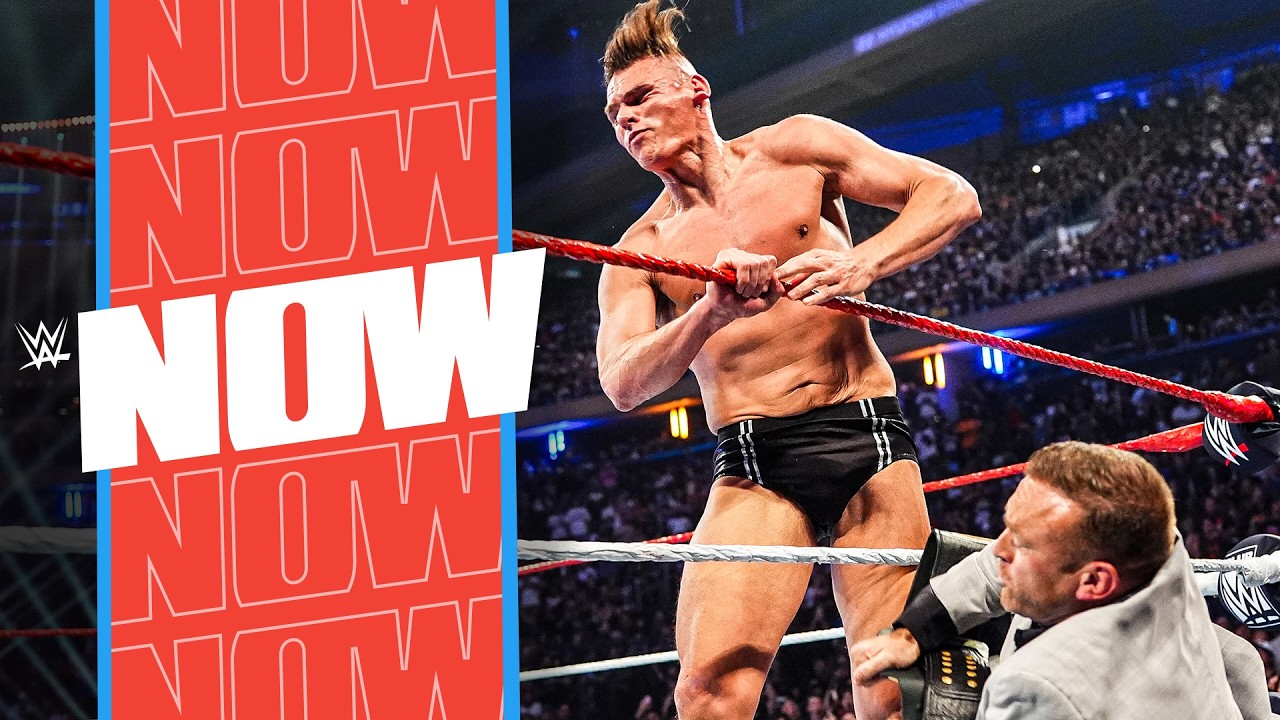
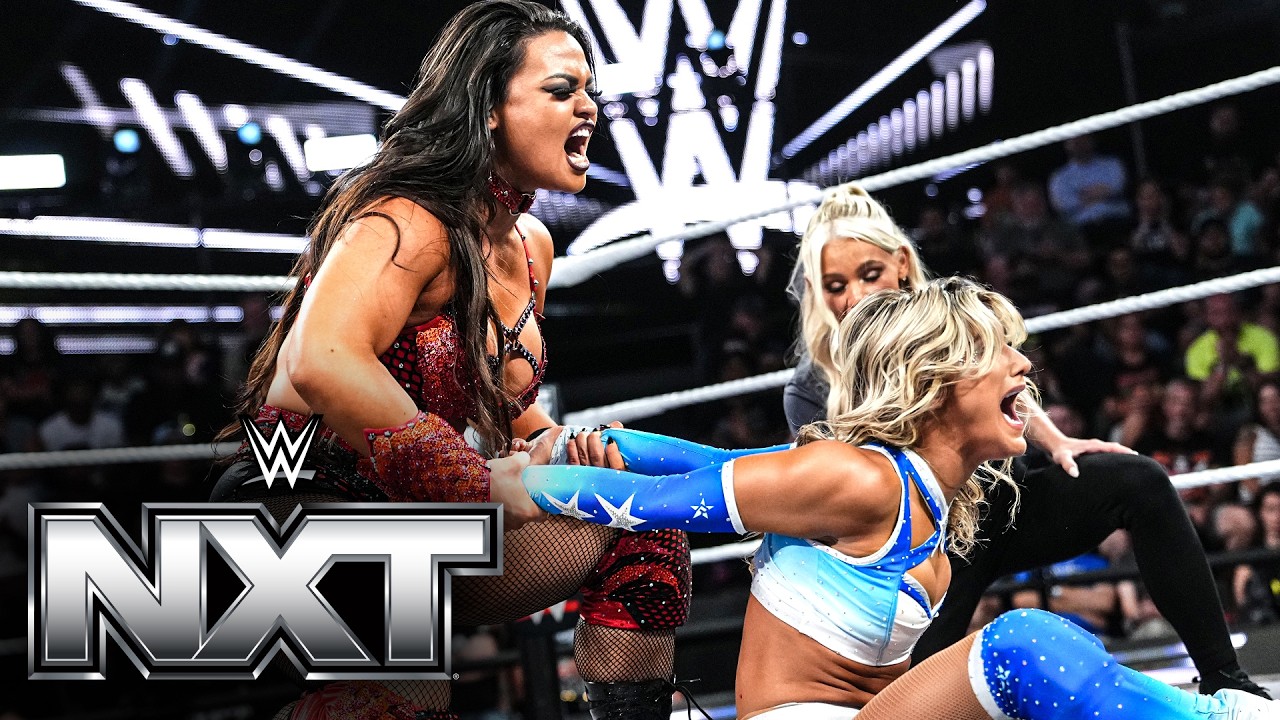
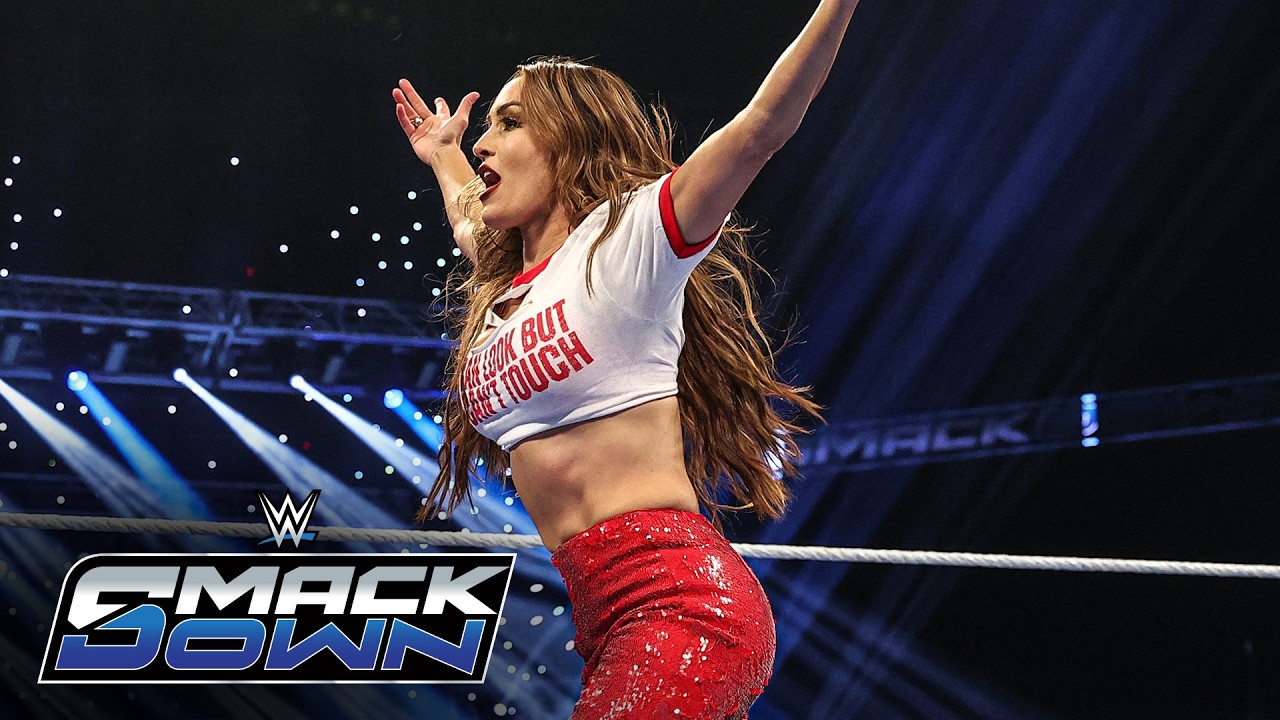
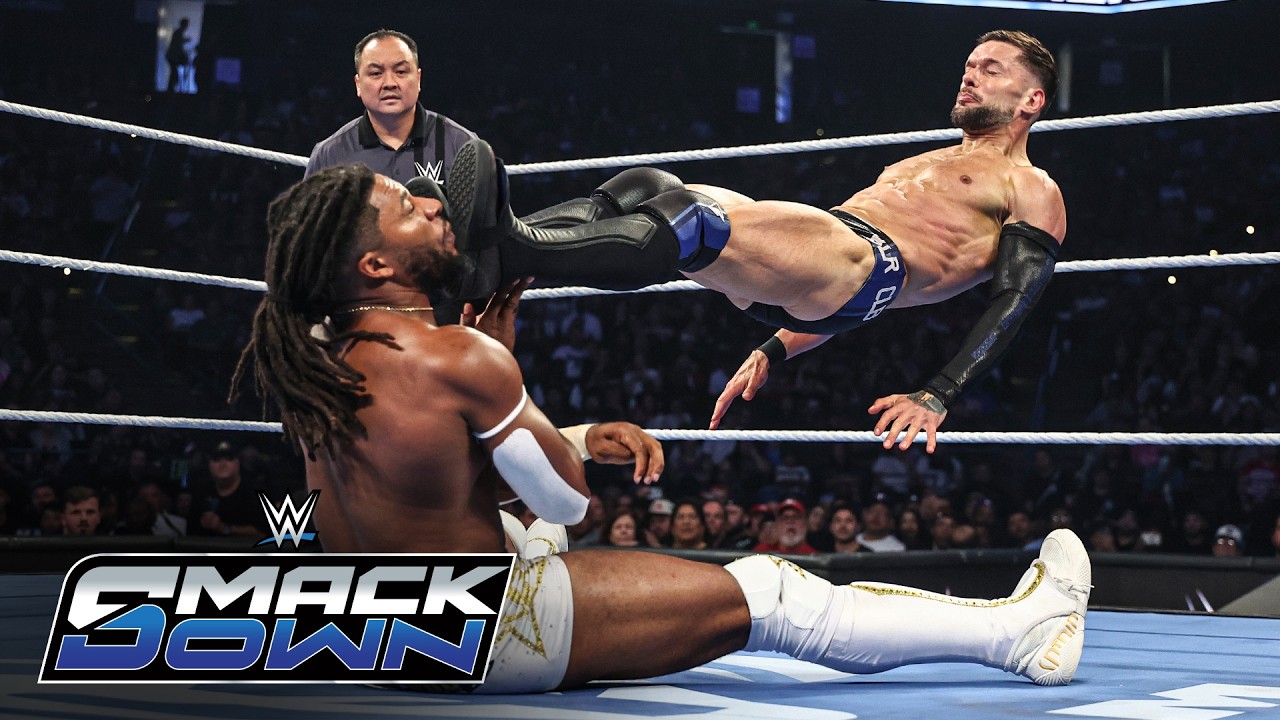 Charlotte Flair vs. Nia Jax: How Jade Cargill Hijacked the SummerSlam Qualifier