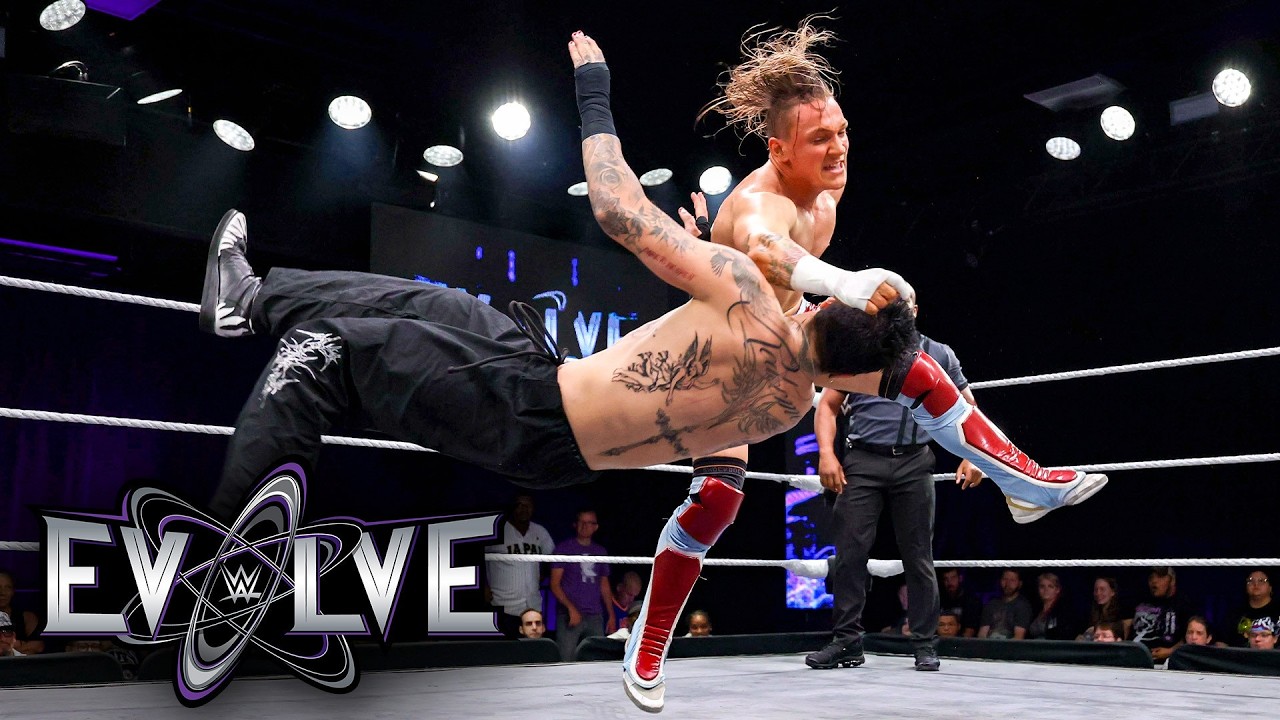
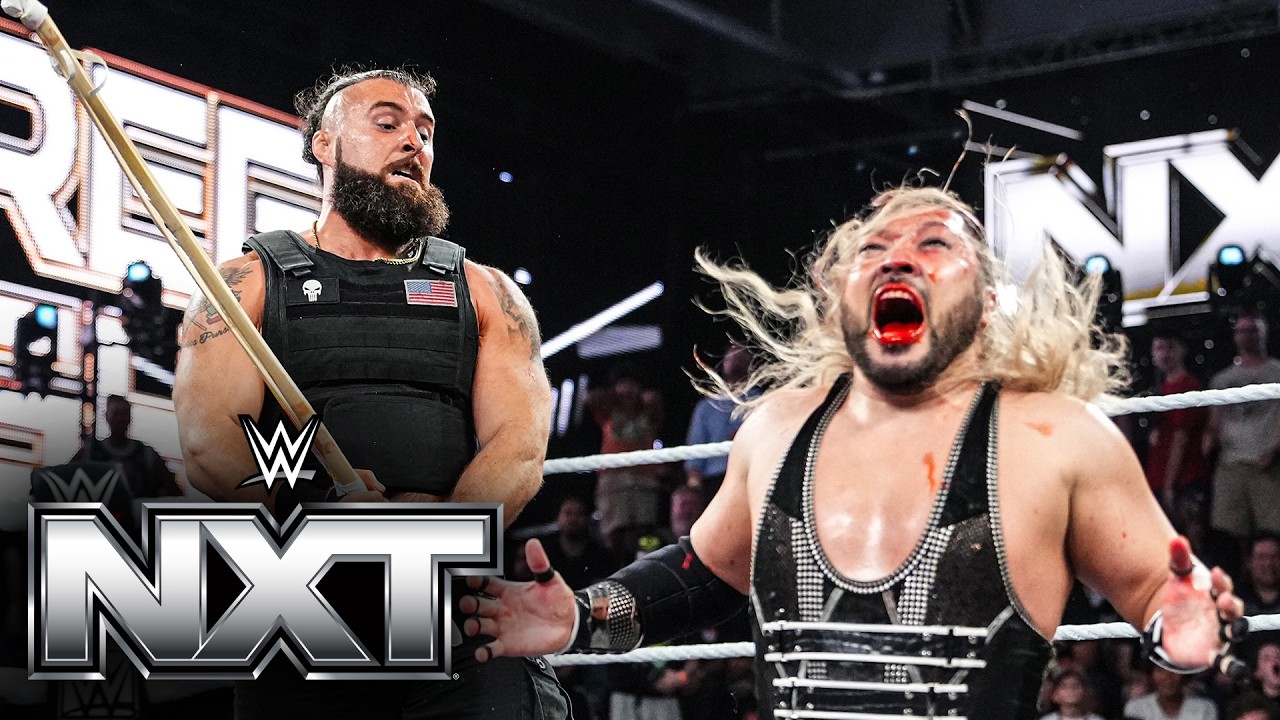
WWE SmackDown July 24, 2026: Results, Storyline Analysis, and the SummerSlam Consequences
WWE SmackDown on July 24, 2026 was advertised as an Oakland stop built around five urgent SummerSlam questions. Would Gunther use his television time to intimidate Nick Aldis before the general manager’s first WWE match? Could CM Punk and Cody Rhodes turn a strained partnership into a coherent explanation for their increasingly personal championship rivalry? Which two women would qualify for the interim WWE Women’s Championship Ladder Match? And how would Fatal Influence carry themselves after taking the WWE Women’s Tag Team Championship from Paige and Brie Bella?
By the end of the live broadcast, WWE had answered all of those questions and created several new ones. Gunther did more than address Aldis: he powerbombed him through a table after a contract signing that temporarily removed Aldis from his authority role. Punk and Rhodes delivered a tense but controlled face-to-face built around friendship, ambition, insecurity, and professional pride. Chelsea Green and Charlotte Flair qualified for the five-woman ladder match, although Flair advanced by disqualification after Jade Cargill interfered. Nikki Bella returned to counter Fatal Influence and proposed a six-woman tag team match for SummerSlam. Finn Bálor then won a chaotic four-way main event to earn a SummerSlam match against Sami Zayn, with a future Undisputed WWE Championship opportunity at stake.
The most important result, therefore, was not simply a pinfall or qualification. SmackDown functioned as a card-construction episode. It converted ongoing television tension into formal SummerSlam stakes, placed several performers on the two-night stadium event, and sharpened the distinction between WWE’s central title story and the programs orbiting it. The episode was productive, but it was not uniformly successful. Its strongest segments gave established characters believable reasons to fight. Its weakest material relied on interference, disqualifications, and crowded faction activity that sometimes made the outcomes feel more administrative than dramatic.
This article examines the complete WWE SmackDown July 24, 2026 results, the storyline road that led to Oakland, the psychology of the major promos and matches, the consequences for SummerSlam, and the broader booking questions the show raised. It also distinguishes confirmed results from editorial interpretation and separates WWE’s promotional framing from independent critical response.
Sponsored • Adults 18+ Only
Discover New Social Connections at Your Own Pace
Explore an adult social-discovery platform where you can browse available profiles, compare features, and decide whether the experience suits your interests.
Availability, registration rules, features, and pricing vary by provider and location. Review the applicable terms before joining.
WWE SmackDown July 24, 2026 at a Glance
- Promotion: WWE
- Program: Friday Night SmackDown
- Date: Friday, July 24, 2026
- Venue: Oakland Arena
- Location: Oakland, California, United States
- U.S. broadcast: Live on USA Network at 8 p.m. Eastern/7 p.m. Central
- Commentators reported by PWTorch: Joe Tessitore and Wade Barrett
- Main event: Finn Bálor vs. Damian Priest vs. Trick Williams vs. Royce Keys
- Main-event winner: Finn Bálor, by pinning Damian Priest after the Coup de Grace
- Major consequence: Bálor advanced to face Sami Zayn at SummerSlam in an Undisputed WWE Championship No. 1 Contender’s Match
- Women’s ladder qualifiers: Chelsea Green and Charlotte Flair
- Major return: Nikki Bella returned after Brie Bella’s match with Lainey Reid
- Major angle: Gunther powerbombed Nick Aldis through a table after their SummerSlam contract signing
Complete WWE SmackDown July 24, 2026 Results
- Nick Aldis and Gunther signed their SummerSlam contract. Aldis temporarily relinquished his SmackDown general-manager responsibilities, Adam Pearce assumed control, and Gunther ended the segment by driving Aldis through a table.
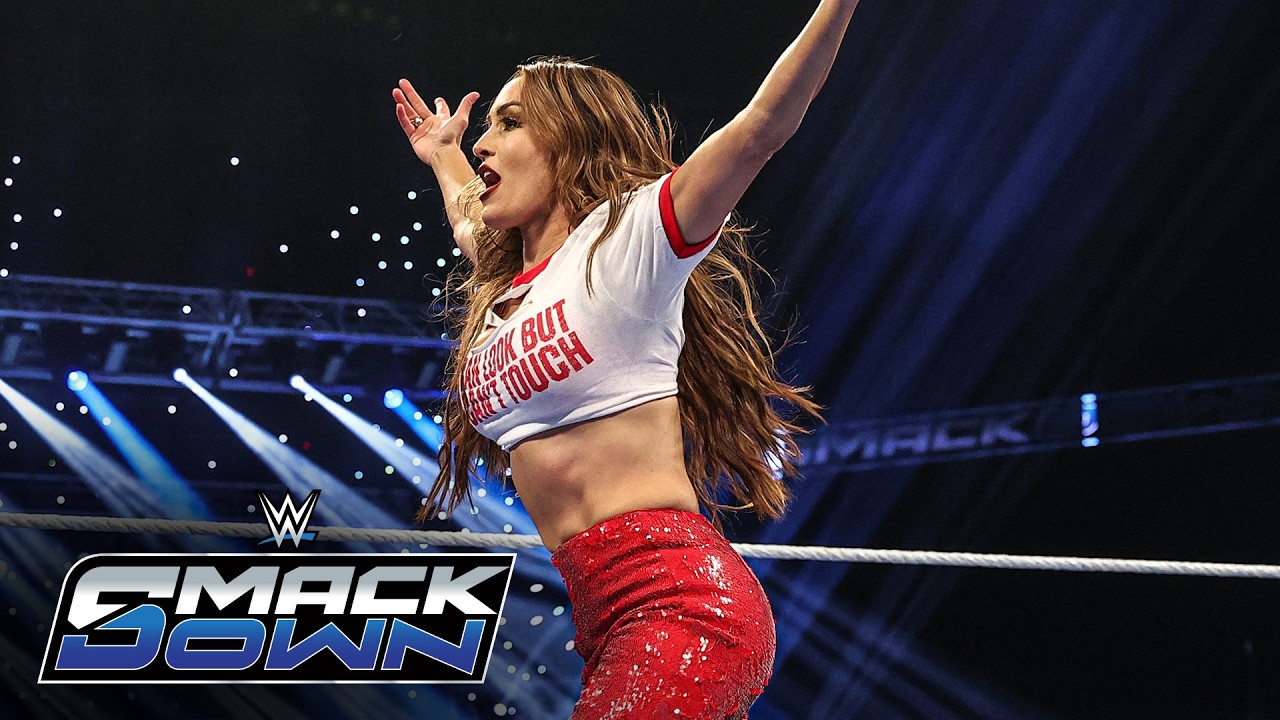
- Brie Bella defeated Lainey Reid. Brie scored a quick pin after the referee caught Reid attempting to use the ropes. Fatal Influence attacked afterward, prompting Nikki Bella’s return and a SummerSlam six-woman tag challenge.
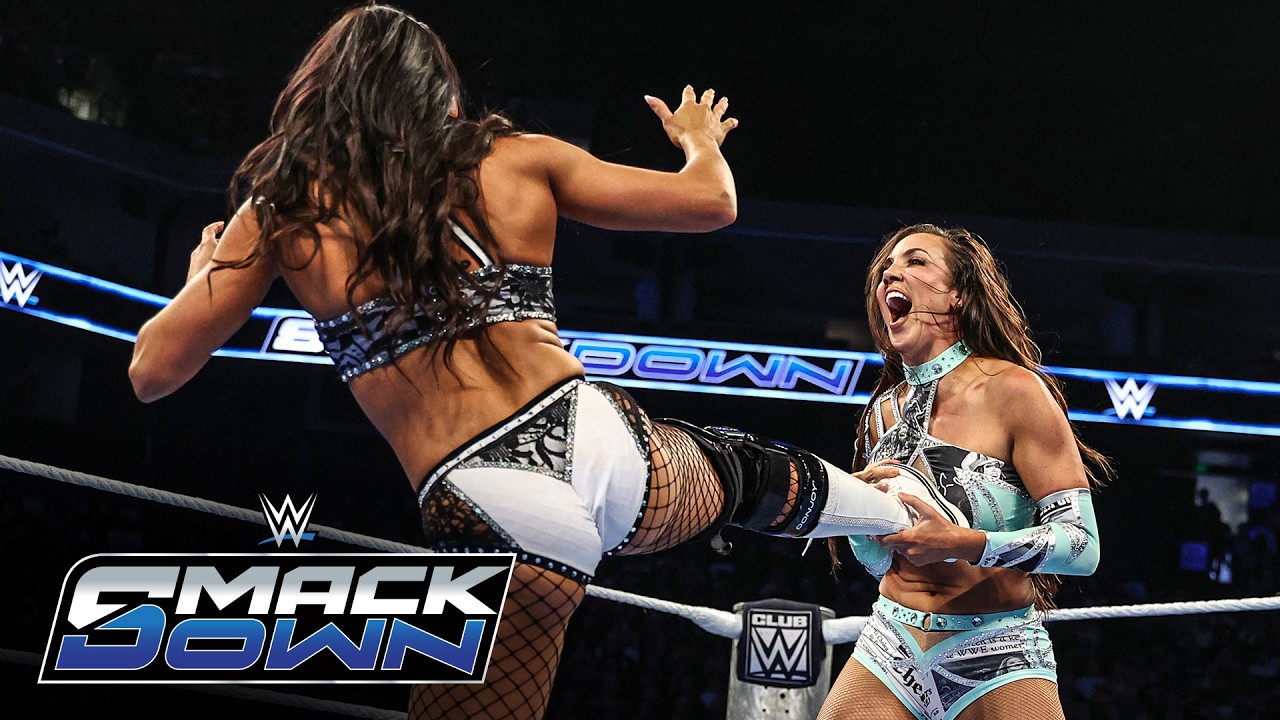
- Chelsea Green defeated Kiana James. Green used the Unprettier to qualify for the Interim WWE Women’s Championship Ladder Match at SummerSlam.
- CM Punk and Cody Rhodes met face-to-face. Their discussion centered on whether Rhodes needed to cast friends as enemies, whether Punk had deliberately struck him with the championship after Saturday Night’s Main Event, and which man could handle the pressure of their SummerSlam title match.
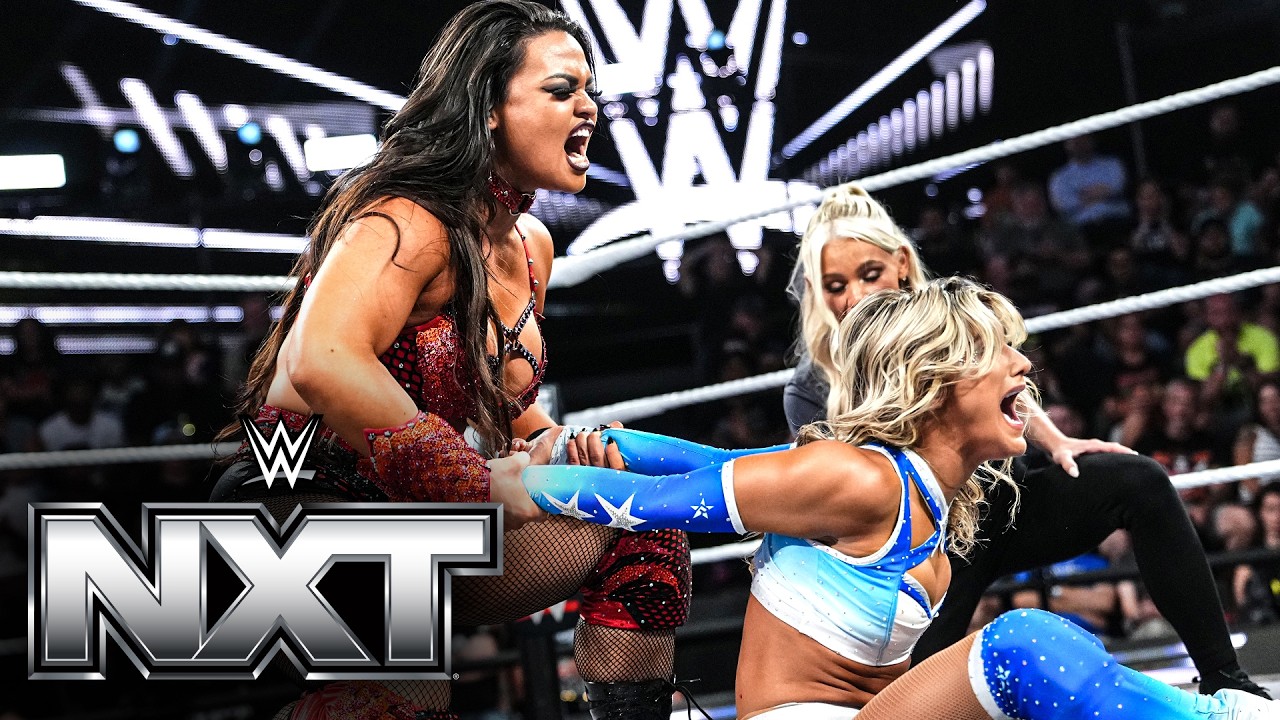
- Charlotte Flair defeated Nia Jax by disqualification. Jade Cargill attacked Flair, giving Charlotte the qualification victory while costing Jax a ladder-match place for the second consecutive week.
- Finn Bálor defeated Damian Priest, Trick Williams, and Royce Keys. Bloodline-related interference removed Keys from the decisive sequence, and Bálor pinned Priest after the Coup de Grace.
The Central Editorial Angle: A Preview Became a SummerSlam Construction Site
Before the show, WWE’s official framing emphasized Gunther, Punk, Rhodes, the women’s qualifiers, and Fatal Influence. That was accurate, but it understated the episode’s true purpose. Oakland was not merely a collection of follow-up segments. It was where WWE transformed unresolved television stories into SummerSlam matches and contender pathways.
The clearest examples were administrative. Aldis signed away his ability to act as general manager so he could wrestle Gunther. Nikki Bella’s return created a six-woman tag match that was subsequently added to the SummerSlam lineup. Bálor’s victory placed him opposite Sami Zayn in a match to decide the next challenger for the Undisputed WWE Championship. Chelsea Green and Charlotte Flair filled two more places in the interim women’s ladder match. Even the online-exclusive Baron Corbin attack on Trick Williams helped set up another SummerSlam title match.
This kind of episode can be effective because it gives viewers tangible consequences. A wrestler is not merely angry; that anger produces a contract. A returning star does not merely make a save; the save becomes a match. A multi-person main event does not exist only to create action; the winner gains a defined route toward the championship. The risk is that the show can feel like a scheduling meeting with entrance music. SmackDown avoided that problem in its best moments, especially Punk-Rhodes and the closing four-way, but it did not avoid it everywhere.
The episode’s shape also explains why independent reviews varied. Some critics appreciated the logical movement toward SummerSlam. Others thought the show lacked the intensity expected one week before a two-night stadium event. Both reactions can be reasonable. The broadcast accomplished a great deal on paper, yet accomplishment and excitement are not identical. A card can become clearer without every segment becoming more compelling.
How WWE Reached Oakland: The Championship Chain Reaction
The July 24 episode makes more sense when viewed as the latest link in a chain that began at WWE Night of Champions on June 27, 2026. Cody Rhodes entered that event as Undisputed WWE Champion and defended against both Sami Zayn and Gunther in a Triple Threat Match. WWE’s official result states that Zayn pinned Rhodes to win the championship, completing the first world-title victory of his WWE career. Because Gunther was not pinned, the result left him with an obvious grievance. Because Rhodes lost directly, he had an equally obvious rematch claim.
That triple threat was already the product of controversy. WWE’s official preview for Night of Champions referred back to Clash in Italy, where Rhodes had retained against Gunther even though the referee did not see Gunther’s foot beneath the bottom rope during the decisive count. The booking gave Gunther a credible argument that the championship picture had repeatedly denied him a clean resolution. It also created the conditions for his later hostility toward Nick Aldis, the official responsible for managing SmackDown’s increasingly unstable main-event scene.
Zayn’s championship win changed the emotional center of the division. For years, his character had been defined by the idea that he could reach the threshold of the biggest victory without permanently occupying the top position. Night of Champions broke that pattern. Yet the reign lasted only nine days. Rhodes defeated Jey Uso on the following SmackDown to become No. 1 contender, and his title match against Zayn was scheduled for the July 6 Raw in Chicago. Gunther attacked Rhodes before the match, leaving WWE to find a replacement. CM Punk emerged in his home city, challenged Zayn, and won the Undisputed WWE Championship.
That sequence created four overlapping claims. Punk was the legitimate champion because he defeated Zayn in the ring. Rhodes was the original scheduled challenger and had been removed by an attack rather than a defeat. Zayn had lost the title after a very short reign and understandably wanted another route back. Gunther believed he had been denied at Clash in Italy, had not been pinned at Night of Champions, and had then influenced the championship’s direction by taking Rhodes out of the July 6 match.
WWE chose not to place all four men in one SummerSlam title match. Instead, it separated the conflict into layers. Punk agreed to defend against Rhodes. Gunther and Zayn opposed them in a tag team match at Saturday Night’s Main Event on July 18. The stipulation and surrounding story gave Gunther and Zayn an opportunity to force themselves into the SummerSlam title picture, but Aldis’ intervention helped Punk and Rhodes win. Gunther then targeted the general manager, while Zayn was redirected toward a No. 1 contender’s match.
Why the Saturday Night’s Main Event Finish Mattered
At Madison Square Garden, Punk and Rhodes defeated Gunther and Zayn after Aldis struck Gunther with the Undisputed WWE Championship belt. The physical involvement was significant for two reasons. First, an authority figure crossed the line from regulating a conflict to determining its outcome. Second, Aldis used the symbol of Gunther’s obsession—the championship itself—as the weapon that prevented him from reaching the title match.
In storyline terms, Gunther’s anger was justified even if his methods were not. Aldis had already been pushed and provoked by him, but the general manager still interfered in a match whose result affected SummerSlam’s main event. That blurred the moral alignment. Aldis could present himself as a man finally defending his authority and dignity, while Gunther could argue that an administrator had abused his position. The best wrestling rivalries often give both sides a truthful sentence even when only one side behaves honorably.
The finish also worsened the relationship between Punk and Rhodes. During the post-match celebration, Punk threw the championship over his shoulder and the belt struck Rhodes. Punk maintained that it was accidental. Rhodes treated the moment as evidence of disrespect. At the SummerSlam Kickoff event the next day, their disagreement escalated, and Punk deliberately shoved Rhodes in the face to distinguish the intentional act from the accidental one. By the time they arrived in Oakland, the match was no longer being promoted only as a respectful contest between friends.
The July 17 SmackDown Had Already Previewed the Collision
One week before Oakland, SmackDown ended with Rhodes and Punk brawling with Gunther and Zayn after Rhodes’ match with Gunther broke down. The visual established the temporary alliances that would headline Saturday Night’s Main Event, but it also showed how unstable those pairings were. Punk and Rhodes were partners because the schedule required it, not because their competitive interests aligned. Gunther and Zayn were united by exclusion from the title match, but each had his own reason to resent the champion and challenger.
That July 17 episode also began the women’s ladder-match qualification process. Tiffany Stratton defeated Jacy Jayne to claim the first position. Jade Cargill defeated Nia Jax by disqualification after Charlotte Flair interfered. The result created a mirrored structure for Oakland: Jax would receive another qualifying opportunity, this time against Flair, while Cargill would have the chance to return Charlotte’s interference.
WWE therefore entered July 24 with three stories built around retaliation. Gunther wanted retaliation against Aldis. Rhodes wanted an explanation from Punk. Jax wanted a qualification opportunity without Flair or Cargill ruining it. In every case, the pursuit of payback complicated the stated competitive goal. Gunther’s championship frustration became a grudge match. Rhodes’ title challenge became an argument about friendship. Jax’s attempt to enter the ladder match became collateral damage in Flair and Cargill’s rivalry.
Sponsored • Adults 18+ Only
Create a Virtual Companion Around Your Preferences
Choose personality traits, conversation styles, and visual options to build a private AI-companion experience designed around the features you value most.
AI companions are virtual characters and are not real people. Features, subscriptions, and pricing may vary by provider.
CM Punk and Cody Rhodes: A Championship Rivalry Built on Affection and Suspicion
The Punk-Rhodes segment was the episode’s most important verbal exchange because it attempted something more difficult than a conventional heel-versus-babyface confrontation. Both men were presented as admired stars. Both had defensible claims. Neither needed to become a caricature for the match to feel personal. The conflict was built around how ambitious people interpret friendship when only one can hold the championship.
Punk’s central argument was psychological. He said Rhodes was lying to himself about the nature of their relationship and could not handle the pressure of taking a title from someone he cared about. According to Punk, Rhodes coped by making himself the victim and turning other people into enemies. He referenced Kevin Owens, Randy Orton, and John Cena as examples from Rhodes’ recent history, then positioned himself as the remaining friend who would confront Cody directly rather than betray him from behind.
Rhodes’ position was simpler but no less effective. He had earned a championship match against Sami Zayn, been attacked before it could occur, and watched Punk take the opportunity and the title. He did not need to accuse Punk of conspiracy to feel displaced. The championship that had defined his journey was now held by a friend who benefited from his removal. Every gesture—especially a belt striking him after a match—could therefore look different through Rhodes’ eyes.
The segment worked because Punk did not deny Rhodes’ greatness. He argued that Rhodes’ emotional habits would prevent him from winning. Rhodes, in turn, did not claim Punk was an illegitimate champion. He promised to beat him and become a four-time WWE Champion. PWTorch’s Wade Keller praised the exchange for being personal without either man undercutting the other. That is an important distinction. Worked-shoot language can create immediate attention, but if it convinces viewers that the wrestlers or championship are less valuable, it damages the match it is supposed to sell.
The Championship Accident Was a Useful, Limited Device
The belt incident from Saturday Night’s Main Event gave the rivalry a visual trigger. It was easy to understand, could be replayed repeatedly, and did not require either man to reveal a secret plan. Punk’s explanation that the initial contact was accidental remained plausible. His later face shove was explicitly intentional. The contrast allowed WWE to say, in effect, that the friendship had moved from misunderstanding to conscious hostility.
There is also a symbolic reason the spot worked. A championship belt is both an object and a status marker. Punk carrying it over his shoulder communicates possession. Rhodes being struck by it communicates exclusion. The moment condensed the entire story: the champion’s casual movement injured the challenger’s pride, and the challenger could not separate the accident from the larger fact that Punk held what he wanted.
The danger was overinterpretation. If WWE had spent the entire Oakland segment arguing about whether Punk aimed the belt, the title match would have become a forensic dispute over camera angles. Instead, the promo moved into character history. Punk spoke about watching Rhodes in 2022 and recognizing a route back. WWE’s official SummerSlam page notes that the two will meet one-on-one for the first time in nearly eighteen years. Their shared history is therefore less about an extensive WWE rivalry than about parallel careers, departures, reinventions, and returns.
Sponsored • Adults 18+ Only
Explore Social Discovery with More Control
Browse an adults-only social-discovery service, review the available profile and privacy tools, and decide whether its connection options suit your preferences.
Availability, registration, pricing, and profile features vary by provider and region. Review the service terms before joining.
Parallel Careers, Different Narratives
Rhodes’ modern WWE identity is rooted in leaving, rebuilding his value elsewhere, and returning to complete an unfinished championship mission. Punk’s return story is different in tone but similar in structure. He also spent years outside WWE, remained culturally central to wrestling discussions, and eventually came back to pursue the status he once held. Punk’s line about learning from Rhodes in 2022 turned that similarity into a weapon. It credited Cody while suggesting that Punk could now surpass the man whose path he followed.
Rhodes tends to frame adversity as a public journey from rejection to validation. Punk tends to frame it as a test of authenticity: who is honest, who is compromised, who can withstand pressure. Those storytelling instincts collide naturally. Cody can interpret Punk’s criticism as another attempt to define him from the outside. Punk can interpret Cody’s heroic narrative as a way of controlling how every conflict is understood.
That is why the “victim and enemy” argument was more important than the belt accident. It challenged the mechanism of Cody’s character. Punk was not only saying, “I will beat you.” He was saying, “Your method of turning hardship into purpose will fail because I understand it.” Rhodes’ answer—promise the victory, demand his music, and state the number of the title reign he intended to begin—reasserted his preferred language of destiny and achievement.
Did the Segment Create Enough Heat?
Critical reaction was mixed. Cageside Seats called the segment solid but questioned whether the rivalry had enough conflict beyond the championship and a dispute over accidents. The review also noted a relatively muted reaction to parts of Rhodes’ promo. That observation should be treated carefully. A single television crowd is not a universal referendum, and live reactions can be affected by acoustics, production, pacing, and what occurred earlier in the show. Still, crowd response matters in wrestling, particularly when two nominal babyfaces are trying to create tension without a conventional villain.
The Oakland segment did enough to clarify the match, but it did not finish the story. That may have been intentional. SummerSlam was still one week away, and WWE had additional live events and media appearances available. The restraint preserved the possibility of escalation. The weakness is that a stadium championship match can feel underpowered if every confrontation remains verbally respectful beneath the surface hostility.
The most productive next step would not necessarily be a turn. It would be a choice that exposes priority. If Punk has to choose between protecting Rhodes and protecting the championship, or Rhodes has to choose between preserving the friendship and gaining an advantage, the story can become concrete. At present, both men claim they will fight honestly. SummerSlam becomes more interesting if the match tests whether either can keep that promise.
Gunther vs. Nick Aldis: The Contract Signing Made the Authority Story Physical
SmackDown opened with Raw general manager Adam Pearce in the ring because Nick Aldis could not simultaneously act as the official supervising the show and the wrestler signing to face Gunther. Pearce explained the terms: once Aldis signed as a competitor, he would temporarily relinquish his SmackDown general-manager responsibilities, Pearce would assume those duties, and WWE would bear no responsibility for what happened to Aldis in the match.
Contract signings are among wrestling’s most familiar television devices. They are useful because they make abstract stakes visible, place opponents at the same table, and provide an excuse for language that sounds more formal than an ordinary promo. They are also predictable. Viewers expect the table to break, the signatures to be completed, and one participant to leave with a physical advantage. The Oakland segment followed that structure, but its character logic was stronger than the formula.
Aldis’ signature mattered because it represented a voluntary surrender of power. As general manager, he could fine Gunther, suspend him, change his matches, or otherwise use institutional authority. By signing, Aldis abandoned those protections and accepted Gunther’s preferred environment. The angle attempted to prove that Aldis was not hiding behind the office. It also protected the internal logic of the brand: WWE explicitly addressed why a general manager could not simply book himself into a match and continue running the show as though nothing had changed.
Gunther’s attack on Aldis’ career was equally targeted. He acknowledged Aldis as a former NWA World Champion but argued that he had never truly reached the level he wanted. Gunther contrasted that with his own WWE success: championships, records, money, and the ability to end the careers of famous opponents. The insult was not that Aldis had never achieved anything. It was that he had achieved enough to understand what he had missed.
That distinction gave Aldis a credible emotional response. His wrestling résumé outside WWE was substantial, but his WWE career began in 2023 as an on-screen authority figure rather than an active competitor. SummerSlam will be his first match in a WWE ring. Gunther therefore attacked the gap between Aldis’ established reputation and his untested status inside the company’s biggest environment.
Why Gunther Is the Right Opponent for an In-Ring Return
Gunther is particularly effective in this role because his matches are presented as examinations of legitimacy. His offense is direct, his character values hierarchy, and his promos repeatedly ask whether an opponent belongs at his level. Against a returning authority figure, that approach creates a simple question: is Aldis a real threat, or is he a respected former champion whose active career is behind him?
WWE’s official SummerSlam page emphasizes Gunther’s recent victories over Goldberg, AJ Styles, and John Cena, presenting him as a “Career Killer.” The label gives the match immediate danger. Aldis is not merely returning for a spectacle; he is entering a story in which Gunther has already been associated with the final matches of celebrated veterans. The promotional risk is repetition. Cageside Seats argued that the career-ending theme has become a series of variations on the same idea and may now limit Gunther rather than expand him.
That criticism is fair. A wrestler cannot permanently build momentum by defeating people who are leaving, because the defeated opponents disappear and the winner remains without a continuing rivalry. The victories can increase aura, but they do not automatically create the next championship direction. Aldis offers a different variation because he is not advertised as retiring. The match is about reactivation rather than farewell. If Aldis performs well and returns to management, Gunther can claim domination without literally ending another career.
The pairing also creates a useful stylistic contrast. Aldis’ best-known work outside WWE was based on a traditional heavyweight presentation: measured pacing, physical credibility, and the posture of a traveling world champion. Gunther’s style is also traditional in appearance but modern in intensity. He strips away decorative movement, forces opponents to sell cumulative damage, and makes each strike feel like a contest over position. The match can therefore be presented as a clash between two versions of wrestling authority—one administrative and historical, the other physical and current.
The Table Spot Established the Match’s Baseline
Aldis attacked first after the signatures. Gunther recovered and powerbombed him through the table. That closing image did several jobs. It prevented Aldis from looking hesitant. It showed that Gunther could absorb the surprise and still dominate. It gave the SummerSlam match a minimum level of violence before the bell. And it allowed Adam Pearce to look concerned without stopping the fight prematurely.
The angle did not prove that Aldis can beat Gunther. It proved that Aldis is willing to fight him. Those are different achievements, and WWE should preserve the difference. If Aldis suddenly outwrestled or overpowered Gunther on television, the match would lose its central uncertainty. By allowing Aldis to initiate the brawl but Gunther to finish it, the segment kept Aldis courageous and Gunther dangerous.
One possible interpretation is that the booking is designed to create an emotional victory even if Aldis loses. He can survive longer than Gunther expects, force the Ring General to take him seriously, and return to his office with greater authority. A decisive Gunther victory would then restore Gunther after his recent championship frustrations without requiring Aldis to remain a full-time wrestler.
Another possible route is an upset that humiliates Gunther and extends the feud. That would be more surprising, but it carries a greater cost. Gunther has already been moved from the Undisputed WWE Championship picture into a special-attraction match. Losing to a part-time authority figure could make that move feel like a demotion unless the finish is heavily protected. WWE’s choice depends on whether the priority is launching Aldis as an occasional wrestler or rebuilding Gunther toward another title challenge.
Aldis, Pearce, and the History Behind the Scene
There was an additional layer in having Adam Pearce supervise the contract. Pearce is not merely a fictional executive. WWE’s official profile identifies him as a five-time NWA World Heavyweight Champion and an experienced former wrestler. Aldis is also a former NWA world champion. The scene therefore placed two men with parallel historical credentials on opposite sides of the administrative table, while Gunther dismissed the value of Aldis’ pre-WWE success.
WWE did not need to explain that entire history on television, but knowledgeable viewers could recognize it. Pearce’s presence made the segment feel less like a corporate technicality and more like one retired or semi-retired champion warning another about the cost of stepping back into competition. It also gave WWE a ready-made temporary authority structure. Pearce could take over SmackDown without introducing a new character one week before SummerSlam.
The temporary nature of Aldis’ relinquishment is important. Some reports and social-media reactions initially described it as a resignation, but WWE’s official results page states that he relinquished his responsibilities temporarily. That is the confirmed status as of July 26, 2026. Unless WWE announces a permanent change, it is more accurate to describe Pearce as covering SmackDown while Aldis competes.
Sponsored • Adults 18+ Only
Looking for a Different Kind of Conversation?
Explore an adult chat or social-conversation service and compare the available ways to connect, communicate, and spend time online.
Services, eligibility, registration requirements, and pricing vary. Review the provider’s terms before joining.
The Interim WWE Women’s Championship Ladder Match Took Shape
WWE announced the interim championship after an injury to WWE Women’s Champion Rhea Ripley. The confirmed SummerSlam format is a five-woman ladder match. By the end of July 24, four positions were filled: Tiffany Stratton, Jade Cargill, Chelsea Green, and Charlotte Flair. WWE later announced that Giulia and Lash Legend would meet for the final place.
The “interim” designation is more than a label. It allows WWE to keep a championship active while acknowledging that Ripley remains the recognized champion. It also creates a future obligation. Whoever wins at SummerSlam will not simply begin an ordinary reign; she will eventually face questions about unification, legitimacy, and whether she can defeat the champion who never lost the title.
That is a strong long-term premise, but the qualifying process has been dominated by interference. Jade Cargill qualified on July 17 when Charlotte Flair attacked her during a match with Nia Jax. One week later, Flair qualified when Cargill attacked her during another match with Jax. The symmetry is easy to follow, yet it makes Nia Jax the wrestler most clearly damaged by the structure. She lost two opportunities without being pinned or submitted, and both results existed primarily to advance someone else’s rivalry.
Chelsea Green Defeated Kiana James Cleanly
The Green-James qualifier was the simplest result of the night. Kiana James attempted to control the pace and use her strength, but Green caught her with the Unprettier and scored the pin. WWE’s official recap described the result without interference or controversy, making Green the only Oakland qualifier to advance through an undisputed fall.
That clean result was important for Green’s credibility. Her character often succeeds through opportunism, allies, timing, or chaos. A ladder match rewards those traits, but a direct qualifying win prevents her from looking like a comedy entrant who stumbled into the field. She beat a serious opponent with a recognized finishing move and earned the place.
Green’s inclusion also improves the ladder match structurally. Stratton and Cargill bring explosive athleticism. Flair brings experience and star power. Green brings opportunistic character work and the ability to connect separate rivalries. She can form temporary alliances, betray them, hide while others take risks, or attempt a quick climb. Those choices help a multi-person ladder match feel like a story rather than a sequence of stunts.
The backstage scene with Tiffany Stratton reinforced that possibility. The two were friendly but disagreed about who would win. Their alliance is therefore conditional. Both can claim confidence without immediately fighting, but the championship guarantees conflict. Blake Monroe’s appearance added another layer by warning Stratton about the people pursuing her as she climbs higher. Monroe was not part of the Oakland qualifier, yet the scene suggested that Stratton’s existing Women’s United States Championship could attract a separate challenger while she pursues the interim world title.
That raises a booking concern identified by Wrestling Inc. The review criticized WWE for placing existing champions into matches for other titles while their own championships remained undefended. Stratton entered the interim ladder match while holding the Women’s United States Championship. Trick Williams, the United States Champion, entered the men’s four-way for a route to the world title. Damian Priest, one-half of the WWE Tag Team Champions, did the same. Ambition is logical, but championships lose definition if their holders repeatedly treat them as waiting rooms.
Sponsored • Adults 18+ Only
Shape a Virtual AI Companion Your Way
Create a clearly virtual AI character by selecting personality, style, and conversation preferences, then review the available customization and subscription features.
AI companions are virtual characters, not real people. Features, subscriptions, and pricing vary by provider.
Charlotte Flair Advanced, but Nia Jax Paid the Price Again
Flair and Jax produced the longest women’s match on the episode, with independent reports placing it at roughly eight or nine minutes. Jax controlled stretches through power, while Flair used movement, timing, and targeted offense to create openings. The match itself was presented as competitive enough to make the qualification matter. The finish, however, belonged to Jade Cargill.
Cargill arrived with Michin and B-Fab. Flair fought with the group at ringside and struck Cargill. Jade then entered the ring and attacked Charlotte, forcing the referee to call for a disqualification. Under standard wrestling rules, the wrestler who is attacked by an outsider wins the match. Flair therefore qualified, even though Cargill’s intention was to hurt her.
The finish continued the personal story between Flair and Cargill. On July 17, Flair’s interference had given Cargill a disqualification victory over Jax. On July 24, Cargill’s retaliation gave Flair the same result. The booking established that their hostility is stronger than tactical awareness. Each woman would rather attack the other immediately than prevent her from reaching SummerSlam.
For Jax, the repetition created justified frustration. She was the opponent in both qualifiers and lost both because another wrestler attacked the person she was facing. WWE showed her reacting angrily and clearing the announce desk after the second decision. That reaction was not merely heel behavior. Within the rules of the story, Jax had a legitimate complaint.
The challenge is what comes next. If Jax receives no meaningful follow-up, the two disqualification losses will feel like convenient booking rather than a character development. WWE could use the grievance to place her against the winner after SummerSlam, add her to a separate grudge match, or create tension with the temporary authority structure. Adam Pearce inherited SmackDown just as Jax acquired evidence that the qualification system had failed her twice. That is a ready-made conflict.
Why a Five-Woman Ladder Match Fits the Situation
A ladder match allows WWE to crown an interim champion without requiring one participant to pin another. That can protect several stars at once. The winner only has to retrieve the championship. A wrestler can dominate physically and still lose because she is pulled from the ladder. Rivals can eliminate one another. A less powerful competitor can win through timing. The format therefore suits a field containing distinct character types.
It also creates a problem of legitimacy. If the interim champion wins without defeating Ripley, and perhaps without pinning anyone at SummerSlam, the future unification match becomes essential. That is not necessarily a weakness. It can be the point. An interim title should create a question that only the returning champion can answer.
Stratton has the clearest double-champion possibility because she already holds the Women’s United States Championship. Cargill and Flair bring an active feud that could prevent either from climbing. Green is the natural opportunist. The fifth entrant—either Giulia or Lash Legend—will change the physical balance. Giulia would add striking intensity and championship experience. Legend would add size and power. Either option gives the match a new matchup rather than simply repeating the Flair-Cargill-Jax orbit.
The key booking requirement is clarity. Multi-person ladder matches can become difficult to follow when every wrestler has a separate rivalry. WWE should identify two or three central relationships and let the remaining action support them. Flair and Cargill are obvious. Green and Stratton’s fragile friendship is another. The final qualifier can be introduced as the competitive outsider whose goal is the title rather than revenge.
Interim Championships and the Meaning of Recognition
Wrestling championships are fictional sporting prizes, but their value depends on consistent internal rules. An interim championship tells viewers that two truths can coexist: Ripley remains champion because she was not defeated, and the division needs an active titleholder while she is unavailable. The eventual unification match is where those truths collide.
WWE must therefore avoid presenting the SummerSlam winner as merely a placeholder. If commentary constantly emphasizes that the “real” champion is absent, the ladder match loses value. If the company ignores Ripley’s status entirely, the interim label becomes meaningless. The best balance is to treat the SummerSlam winner as a legitimate champion with an unresolved obligation.
That obligation can produce several story types. The interim champion might demand recognition and resent being treated as secondary. Ripley might return respectfully but insist on settling the issue. A heel champion might avoid unification. A babyface champion might welcome it. The SummerSlam result will determine which version is available.
Sponsored • Adults 18+ Only
Explore an Adult Social or AI-Powered Experience
See which social, chat, dating, or virtual-companion offer is available for your device and region, then review the provider’s features before deciding whether to continue.
The destination and available service may vary by device, region, and provider. Registration, subscriptions, or charges may apply.
Fatal Influence, the Women’s Tag Team Titles, and Nikki Bella’s Return
The official preview also emphasized the change in WWE Women’s Tag Team Championship control. At Saturday Night’s Main Event, Fallon Henley and Lainey Reid of Fatal Influence defeated Paige and Brie Bella to win the titles. The Oakland follow-up did not feature a championship rematch. Instead, Brie faced Reid in singles competition while Paige and the remaining members of Fatal Influence stayed close enough to influence the atmosphere.
Brie won after the referee caught Reid attempting to use the ropes for leverage. The finish gave the former champion a measure of revenge without immediately reversing the title change. It also protected Reid’s status as a champion by making her mistake tactical rather than presenting her as clearly outclassed. Fatal Influence then attacked, creating the return cue for Nikki Bella.
Nikki’s arrival was the segment’s headline. She cleared the ring, hit Jacy Jayne with the Rack Attack 2.0, and challenged Jacy, Henley, and Reid to face Nikki, Brie, and Paige at SummerSlam. WWE subsequently listed the six-woman tag match on the official event page.
The return solved an obvious numbers problem. Paige and Brie were outnumbered three to two. Nikki restored balance and gave the rivalry a recognizable SummerSlam attraction. It also changed the objective. The women’s tag titles were the original source of conflict, but the announced stadium match is non-title. That allows WWE to feature all six performers without requiring Fatal Influence to defend the belts immediately after winning them.
There are advantages to that choice. A six-woman tag can extend the program, give Nikki a protected return, and create a future title challenger if one of the Bellas or Paige pins a champion. It also lets Jacy Jayne participate even though Henley and Reid hold the titles. Fatal Influence can function as a complete unit rather than a tag team with a third member standing outside the core story.
The disadvantage is the one identified by Wrestling Inc.: championships can appear secondary when their holders are booked into non-title attractions. The belts changed hands at Madison Square Garden, yet the next major event is built around faction pride rather than a defense. If that pattern continues, the titles become props used to start feuds rather than prizes that organize the division.
The solution is straightforward. SummerSlam should produce a direct championship consequence. If Fatal Influence wins, the champions establish control and can move to new challengers. If Nikki, Brie, and Paige win, the person who scores the fall should have a clear claim to a title match. The six-woman tag does not need the belts at stake, but it should affect who fights for them next.
Nikki Bella’s Return Was Effective Because It Was Functional
Surprise returns can become empty nostalgia if the returning name appears without changing the story. Nikki’s return had an immediate function. She stopped an attack, corrected the numerical disadvantage, and proposed a match. Viewers did not need a long explanation before understanding why she was there.
Independent reviews were divided over whether the six-woman tag felt large enough for SummerSlam. That debate reflects the two-night format. A card spread across Saturday and Sunday has room for more stories, but “room” is not the same as necessity. WWE must still show why each match belongs. The Bellas and Paige provide star recognition; Fatal Influence provide current championship relevance. The match earns its place if it advances both sides rather than serving only as a reunion showcase.
Sponsored • Adults 18+ Only
Find a Social Platform That Matches Your Interests
Browse an adult-oriented discovery service, review the available profile and communication features, and choose how much information you want to share.
Participation is limited to eligible adults. Features, verification, subscriptions, and local availability depend on the provider.
Finn Bálor Won the Four-Way and Turned SummerSlam into a Career Echo
The unadvertised men’s main event gave the episode its strongest match and one of its clearest outcomes. Finn Bálor defeated Damian Priest, Trick Williams, and Royce Keys to advance to a SummerSlam match against Sami Zayn. The winner in Minnesota will become the No. 1 contender to the Undisputed WWE Championship.
The four participants entered with different forms of credibility. Bálor was the established former world champion trying to return to the position he reached a decade earlier. Priest was a current tag champion with recent top-level experience and a direct history with Bálor. Trick Williams was the United States Champion, confident enough to pursue a higher prize while still carrying his own title. Royce Keys was the rising power connected to the Bay Area and entangled in the Bloodline story.
That range made the match more than a random collection of names. Each wrestler represented a different route toward the world title: restoration, upward mobility, champion-versus-champion ambition, and breakthrough. The multi-person format allowed WWE to advance all four stories without asking any one rivalry to carry the entire match.
The Match Structure Favored Movement and Interruption
Independent reports described a match of roughly twelve minutes, with Bálor using a running flip dive to take out the field and the action moving quickly between pairings. Four-way matches depend on constant interruption because a convincing finishing move cannot remain unanswered for long unless the match is ending. The Oakland main event used that logic effectively. Priest hit South of Heaven on Trick Williams, Keys broke the cover, and several wrestlers appeared close to winning before outside conflicts pulled the match apart.
The Bloodline-related interference was extensive but connected to existing stories. Solo Sikoa helped Keys by placing his foot on the rope during a pin attempt. The Usos attacked Solo. LA Knight arrived through the crowd. Jacob Fatu later pulled Keys from the ring when Keys appeared positioned to capitalize. These actions linked the four-way to the SummerSlam six-man tag involving Knight, Sikoa, Keys, Fatu, and the Usos.
Interference can damage a match when it makes the official competitors irrelevant. Here, the interference mostly removed Keys and his allies from the decisive sequence rather than directly handing Bálor the victory. Once the faction fight moved away, the finish returned to the wrestlers in the match. Bálor escaped Priest’s attempt, connected with the Sling Blade and corner dropkick, and landed the Coup de Grace for the pin.
Cageside Seats praised the structure and called Bálor the right winner. That assessment is persuasive. Bálor versus Zayn can be promoted immediately because both men have long histories as elite wrestlers who have periodically been close to WWE’s top position. The match does not require a manufactured personal feud. The prize is enough.
Sponsored • Adults 18+ Only
Open the Door to a New Online Conversation
Explore an adults-only chat service where you can review communication features and membership options before deciding whether to register.
Eligibility, registration requirements, communication tools, and pricing vary. Review the provider’s terms before participating.
Why Bálor’s SummerSlam History Matters
Bálor’s backstage comments referred to the glory of his first SummerSlam as champion. In 2016, he defeated Seth Rollins to become the inaugural WWE Universal Champion. Less than twenty-four hours later, he relinquished the title because of a shoulder injury sustained in the match. WWE’s official historical coverage identifies the victory and the forced relinquishment.
That history gives the 2026 contender’s match emotional weight without requiring a replay of the same story. Bálor is not trying to win a new championship at SummerSlam this time. He is trying to earn the next opportunity. The contrast is meaningful. Ten years earlier, he reached the summit immediately and lost the title without being defeated. A decade later, he is fighting through qualifiers to get back into the conversation.
The anniversary can be used in two directions. It can make Bálor sympathetic: a wrestler attempting to reclaim the position interrupted by injury. It can also make him desperate: someone who believes the company and time have moved on without giving him a comparable reign. Gunther’s backstage interruption, mocking the length of the ten-year wait while declaring his own intention to regain the title, reinforced that pressure.
Bálor’s victory did not solve his problem. It only earned a match with Zayn. That is good booking for a contender pathway because it requires more than one win and makes the SummerSlam match consequential. It also gives Zayn a reason to remain central after losing the championship. Rather than disappearing into a secondary feud, the former champion can earn a direct route back.
Sami Zayn’s Position After a Nine-Day Reign
Zayn’s brief championship reign could easily have left him looking like a transitional device between Rhodes and Punk. WWE’s decision to place him in a No. 1 contender’s match is an attempt to prevent that interpretation. He remains one victory away from another title opportunity. The company is telling viewers that the Night of Champions result was not an isolated miracle, even though the reign ended quickly.
Zayn also has a legitimate complaint about SummerSlam planning. He won the title, lost it in an improvised defense against a replacement challenger, and initially appeared to be left off the card while Punk, Rhodes, Gunther, and Aldis received major matches. His frustration with Adam Pearce on SmackDown translated that booking concern into storyline. Pearce’s solution was not to grant an automatic rematch but to make Zayn defend his status against the four-way winner.
That choice balances sympathy and competition. An automatic rematch would be easy to justify, but it would also crowd the Punk-Rhodes title match. Requiring Zayn to beat Bálor gives SummerSlam another meaningful singles contest and protects the championship main event from becoming another multi-person match.
Damian Priest, Trick Williams, and Royce Keys Did Not Leave Empty-Handed
Priest took the pin, which usually identifies the wrestler most directly set back. Yet the finish came after a multi-person sequence and against a former world champion’s top-rope finisher. Priest can return to the tag division with R-Truth without needing a lengthy explanation. His earlier conversation with Rhodes also established that “the boys” were tired of the same names controlling the brand’s top positions. That line drew a noticeable reaction according to PWTorch and may reflect a useful undercurrent for future stories.
Trick Williams was protected from the fall and remained attached to the United States Championship story. An online-exclusive angle after the broadcast showed Baron Corbin attacking him and challenging for a SummerSlam title match, which WWE later added to the official card. Trick’s participation in the four-way therefore communicated ambition while the post-show angle restored focus to his current championship.
Keys was protected most heavily by outside involvement. He appeared close to gaining control before Jacob Fatu removed him. That result strengthens his reason to fight Fatu and the Usos at SummerSlam. Because the event took place in Oakland, the Bay Area elements of the Bloodline story had added local relevance, though the match did not rely solely on hometown presentation.
The main event’s success came from this efficiency. Bálor advanced. Zayn gained an opponent. Priest’s discontent remained visible. Trick’s next title defense was prepared. Keys’ Bloodline conflict intensified. Few television matches can advance five separate directions without becoming incoherent. Oakland’s four-way came close to overload, but the final sequence returned attention to Bálor and Priest at the correct moment.
Sponsored • Adults 18+ Only
Build a More Personalized AI Conversation
Create a virtual AI character with selectable traits and conversation preferences, then explore the provider’s private chat and customization options.
The companion is an artificial-intelligence character, not a real person. Available functions and payment terms differ between providers.
What SmackDown Did Well
It Answered the Questions It Advertised
The episode delivered on its announced subjects. Gunther addressed Aldis and the segment materially changed Aldis’ status. Punk and Rhodes spoke directly rather than relying only on a video package. Both women’s qualifiers produced official entrants. Fatal Influence’s title victory received follow-up and led to Nikki Bella’s return. Viewers who watched because of the advertised preview were not subjected to bait-and-switch promotion.
That basic reliability matters. Wrestling television often promotes broad appearances rather than concrete outcomes. Oakland offered matches, consequences, and a closing result that fed directly into SummerSlam. The episode can be criticized for execution, but not for failing to move its principal stories.
The Best Segments Had Clear Character Logic
Punk and Rhodes disagreed because their friendship had become inseparable from championship competition. Gunther and Aldis fought because the general manager had physically affected Gunther’s title opportunity. Bálor pursued Zayn because both needed a route back to the championship. Nikki returned because her sister and Paige were outnumbered. These are understandable motivations that can be summarized without requiring viewers to memorize obscure backstage reports.
Clear motivation is particularly valuable on the road to a large event. SummerSlam 2026 contains numerous matches across two nights. If every program relies on the same generic promise to “make a statement,” the card becomes a collection of names. SmackDown’s strongest stories had distinct emotional engines: pride, displacement, professional legitimacy, faction loyalty, and championship recovery.
The Main Event Connected Several Divisions
The four-way did more than identify a winner. It linked the world-title picture, the United States Championship, the tag-title scene, and the Bloodline six-man program. That density can be dangerous, but the match retained a readable finish. Bálor won by pinning Priest, not because an authority figure changed the rules or because an outsider struck him.
The result also improved SummerSlam. Zayn versus Bálor has an obvious prize and credible participants. It gives the eventual winner a future relationship with either Punk or Rhodes, and it gives the loser a defined setback rather than leaving both men outside the stadium card.
Where the Episode Fell Short
Too Many Outcomes Depended on Interference
Brie Bella’s match involved ringside activity. Flair versus Jax ended because Cargill attacked. The four-way included Solo Sikoa, the Usos, LA Knight, and Jacob Fatu. The contract signing became a brawl. Interference is a legitimate wrestling tool, but repeated use can make the roster appear incapable of producing clean conclusions.
The women’s qualifiers were the clearest example. Jax lost two consecutive opportunities because someone attacked her opponent. The symmetry advanced Flair versus Cargill, but it also made the qualifying system look arbitrary. A tournament or qualifying series gains sporting credibility when results reflect the competitors’ performance. If every match is primarily a vehicle for outside grudges, the advertised stakes become secondary.
The Women Received Multiple Matches but Limited Space
SmackDown featured three women’s matches and only one men’s match, which is notable after criticism of women’s time on other WWE programming. The raw count, however, does not tell the complete story. Brie versus Reid and Green versus James were short, and much of the Fatal Influence match reportedly occurred during a commercial break. Flair versus Jax received more room but ended in disqualification.
Representation should be evaluated through importance, not only quantity. Three short or interrupted matches can still feel less substantial than one protected main event. The interim ladder story has major SummerSlam stakes, and the women’s tag champions had just changed hands. WWE had enough material for a more sustained in-ring centerpiece.
Sponsored • Adults 18+ Only
Discover Profiles Without Rushing the Decision
Compare an adult social-discovery platform’s available profiles, privacy settings, and connection tools at your own pace.
Profile availability, service features, registration, and pricing may vary by provider and location.
The Episode Sometimes Treated Championships as Accessories
Trick Williams and Damian Priest competed for access to another title while holding championships of their own. Tiffany Stratton entered the interim title ladder match while holding the Women’s United States Championship. Fatal Influence moved immediately into a non-title six-woman program after winning the tag belts.
There is nothing illogical about champions wanting greater prizes. Real athletes pursue multiple achievements, and wrestling characters should be ambitious. The concern is divisional maintenance. If secondary champions are constantly used to populate world-title stories, their belts stop creating independent contenders and feuds.
The fix is not to prohibit champions from moving upward. It is to make their existing obligations visible. Trick’s post-show confrontation with Corbin helped. Priest and R-Truth’s next tag defense was mentioned. Stratton’s interaction with Blake Monroe hinted at a Women’s United States title issue. Those follow-ups should become full stories rather than brief reminders.
The Go-Home Intensity Was Uneven
Cageside Seats graded the show D+ and argued that the broadcast felt less heated than expected one week before SummerSlam. Other reviewers were more positive about individual matches and segments. The disagreement reflects the episode’s central tension: it was logically productive but emotionally inconsistent.
Gunther driving Aldis through a table felt like a decisive escalation. Punk and Rhodes produced strong language but stopped short of physical conflict. The women’s ladder story advanced through another disqualification. Fatal Influence’s championship follow-up became a return angle. The main event was energetic, but its winner still needed to win another match before receiving a title shot.
None of those choices is inherently wrong. Together, they made SmackDown feel like the penultimate chapter rather than the final television explosion. WWE still had Raw, another SmackDown, live events, digital exclusives, and media content before August 1. Oakland was therefore a bridge, not the final destination.
Sponsored • Adults 18+ Only
Explore a More Social Way to Spend Your Evening
Discover an adults-only chat platform where available communication tools, membership options, and social features can be reviewed before you register.
Access and pricing vary, and some features may require registration or payment. Read the provider’s rules and privacy terms.
Broadcast, Venue, and Promotional Context
WWE presented the episode live from Oakland Arena on USA Network. The official schedule listed a 4:30 p.m. local event time for ticket holders and the standard 8 p.m. Eastern television start. WWE’s weekly viewing guide identified USA Network as the U.S. broadcaster and directed international audiences to the company’s region-specific distribution options.
Oakland was a useful setting because the Bloodline-adjacent story included performers with Bay Area connections. The main event’s interference therefore had local resonance without requiring the entire show to become a hometown tribute. WWE also used aerial city shots and backstage arrival footage to establish the location, according to PWTorch’s live report.
PWTorch cited WrestleTix as reporting 7,310 tickets distributed on the day of the show. That figure should not be described as official attendance, paid attendance, or gate revenue. “Tickets distributed” is a separate measure and may include complimentary seats. WWE did not publish an official attendance figure in the sources reviewed for this article.
No final television rating was used in this analysis because a verified figure was not available at the research cutoff. Ratings should also be interpreted with caution when comparing different networks, time periods, and viewing methods. Live linear television is only one part of WWE’s distribution, which also includes international streaming, clips, social video, and later viewing.
The official WWE Now upload that framed the episode was a short preview, not a full match or complete episode. Its purpose was promotional: summarize the announced stories and direct viewers to the live broadcast. That distinction matters for search intent. Readers looking for the July 24 results need the post-show outcomes, while viewers looking for the preview should understand that it does not contain the complete matches.
What the July 24 Results Mean for SummerSlam 2026
CM Punk vs. Cody Rhodes Now Has a Personal Thesis
The Undisputed WWE Championship match is no longer only about who is better. It is about whether friendship makes competition more honest or more psychologically difficult. Punk believes Rhodes needs an enemy to perform at his best. Rhodes believes he can defeat a friend without surrendering his own identity. The match should test those claims through behavior, not only moves.
A clean Punk victory would validate his argument that Cody could not rise under emotional pressure. A clean Rhodes victory would restore the championship he lost at Night of Champions and prove that Punk’s psychological reading was incomplete. A disputed finish would extend the rivalry but risk undermining the deliberate verbal build. Because Zayn or Bálor will become the next contender, the winner also needs a clear enough result to move immediately into another serious program.
Gunther vs. Nick Aldis Is About Status More Than Revenge
The physical feud began with authority conflict, but the contract signing reframed it as an argument about career worth. Gunther says Aldis never reached the level he wanted. Aldis says Gunther has mistaken repetition and intimidation for untouchable greatness. SummerSlam will decide whether Aldis can translate his respected pre-WWE résumé into a credible performance under WWE’s brightest conditions.
The likely booking priority appears to be restoring Gunther’s dominance after he missed the championship main event. That is analysis, not confirmed creative information. Aldis can still gain from a loss if the match shows preparation, resilience, and strategic intelligence. The worst outcome would be an extended comedy match or an overbooked finish that avoids answering whether Aldis can compete.
The Interim Women’s Championship Will Create a Second Champion and a Future Collision
The ladder match winner will gain an active championship and an inevitable comparison with Rhea Ripley. The field’s internal rivalries make almost every finish possible. Flair and Cargill can cancel each other out. Green can exploit an opening. Stratton can attempt to become a double champion. Giulia or Lash Legend can enter as the final disruptive variable.
The immediate winner matters, but the follow-up matters more. WWE must define whether the interim champion defends the title before Ripley returns, whether the champion receives distinct visual branding, and how unification will work. Without those details, the “interim” concept can become confusing. With them, it can support months of story.
Finn Bálor vs. Sami Zayn Could Become the Card’s Wrestling-Centered Counterweight
SummerSlam contains celebrity elements, faction matches, a Hell in a Cell attraction, authority conflict, and multiple championship programs. Bálor versus Zayn can be the card’s most direct sporting contest: two experienced wrestlers competing for the next title shot.
The match also offers a useful contrast. Zayn is fighting to prove his short reign was not the end of his main-event legitimacy. Bálor is fighting to recover a world-title trajectory associated with SummerSlam ten years earlier. Neither needs to become a villain. Competitive urgency can carry the match.
The Six-Woman Tag Must Lead Back to the Championships
The Bella Twins and Paige against Fatal Influence has recognition and faction logic, but its long-term value depends on the tag titles. A decisive Fatal Influence win would establish the new champions. A victory for the returning team should create a named title challenger. An inconclusive finish would preserve the feud but reinforce criticism that the belts are secondary.
Confirmed Developments After the Oakland Broadcast
As of the July 26, 2026 research cutoff, WWE’s official SummerSlam page listed the following developments connected directly to SmackDown:
- CM Punk will defend the Undisputed WWE Championship against Cody Rhodes.
- Gunther will face Nick Aldis.
- Finn Bálor will face Sami Zayn to determine the next No. 1 contender.
- The Bella Twins and Paige will face Jacy Jayne, Fallon Henley, and Lainey Reid of Fatal Influence.
- Chelsea Green and Charlotte Flair joined Tiffany Stratton and Jade Cargill in the Interim WWE Women’s Championship Ladder Match.
- Giulia will face Lash Legend for the final ladder-match position.
- Baron Corbin challenged United States Champion Trick Williams after attacking him, and WWE added the title match to the SummerSlam card.
WWE scheduled SummerSlam as a two-night event on Saturday, August 1, and Sunday, August 2, 2026, beginning at 6 p.m. Eastern/3 p.m. Pacific. The official event page stated that the show would stream through the ESPN App with an ESPN Unlimited plan in the United States and on Netflix internationally, subject to regional availability.
Those are confirmed announcements. Predictions about winners, turns, rematches, or returns remain editorial possibilities unless WWE announces them or a credible report attributes them to an identifiable source.
Related Matches and Segments Worth Revisiting
- Cody Rhodes vs. Gunther vs. Sami Zayn, Night of Champions 2026: This is the result that removed Rhodes from the championship and gave Zayn his first world-title reign. It explains why all three men entered July with unresolved claims.
- Sami Zayn vs. CM Punk, Raw, July 6, 2026: Punk’s championship victory only occurred because Gunther attacked Rhodes before the scheduled match. The circumstances are essential to Rhodes’ sense of displacement.
- CM Punk and Cody Rhodes vs. Gunther and Sami Zayn, Saturday Night’s Main Event, July 18, 2026: Aldis’ belt shot, the Punk-Rhodes accident, and the collapse of the temporary alliances all came from this match.
- Tiffany Stratton vs. Jacy Jayne and Jade Cargill vs. Nia Jax, SmackDown, July 17, 2026: These were the first two interim-title qualifiers and established the interference pattern repeated in Oakland.
- Finn Bálor vs. Seth Rollins, SummerSlam 2016: Bálor became the inaugural Universal Champion, then relinquished the title the following night because of injury. The match gives historical meaning to his 2026 attempt to regain a world-title route at SummerSlam.
- Fatal Influence vs. Paige and Brie Bella, Saturday Night’s Main Event, July 18, 2026: The title change is the necessary prelude to Nikki Bella’s return and the six-woman SummerSlam challenge.
Readers interested in broader coverage can also explore our latest WWE match analysis, complete SummerSlam 2026 guide, history of WWE’s women’s championships, and global professional-wrestling calendar.
Three Booking Themes That Defined the Oakland Episode
Opportunity Was More Important Than Possession
Several wrestlers on SmackDown already possessed championships, authority, or established status, yet the episode focused on what they still lacked. Punk held the Undisputed WWE Championship but lacked emotional control over the Rhodes rivalry. Aldis held managerial authority but lacked the ability to answer Gunther as a wrestler. Trick Williams, Damian Priest, and Tiffany Stratton held titles but pursued higher or additional opportunities. Fatal Influence held the tag championship but still wanted to establish faction superiority.
This theme made the show ambitious but also exposed a hierarchy problem. When almost every character seeks the world title or a larger platform, the prizes below that level can appear temporary. WWE can solve that by showing that possession creates obligations. A champion should have challengers, a general manager should have responsibilities, and a faction that wins gold should have to defend its position. Opportunity should expand stories rather than erase the value of what characters already achieved.
Retaliation Repeatedly Defeated Strategy
Gunther’s title pursuit was redirected because he became consumed with Aldis. Flair and Cargill helped one another qualify accidentally because each preferred immediate retaliation to preventing the other’s progress. The Bloodline conflict removed Keys from the four-way at the moment he was closest to victory. Rhodes’ suspicion of Punk threatened to distract him from the practical task of preparing for a championship match.
That pattern gave the episode thematic coherence. Characters did not simply make random mistakes; they allowed pride and revenge to override competitive logic. The question for SummerSlam is whether they learn. Flair and Cargill could again neutralize each other in the ladder match. Gunther could underestimate Aldis because he is more interested in humiliation than victory. Punk and Rhodes could become vulnerable to the next contender if their match turns into an emotional argument rather than a championship contest.
WWE Used Administration as Storytelling
Adam Pearce appeared not only as an authority figure but as the mechanism connecting several developments. He supervised Aldis’ contract, inherited SmackDown duties, dealt with Zayn’s complaint, and authorized the main-event route to SummerSlam. Wrestling authority figures can easily become overexposed when they explain every decision. In Oakland, Pearce was useful because the show genuinely required someone to manage consequences created by Aldis’ temporary departure.
The strongest administrative stories preserve the wrestlers’ agency. Pearce did not choose Bálor as Zayn’s opponent; Bálor won. He did not force Aldis to sign; Aldis chose to relinquish authority. He did not award Green or Flair ladder-match places arbitrarily; the results followed the announced rules, even when those rules produced frustrating outcomes.
The distinction matters because viewers should believe that matches determine status. An authority figure can define the route, but the performers need to travel it. The Oakland episode generally maintained that balance. Its one weakness was the frequency with which outsiders changed results after the bell or forced disqualifications. Rules remained visible, but competition did not always feel decisive.
Sponsored • Adults 18+ Only
See Which Adult-Oriented Experience Is Available
Continue to a personalized offer that may feature social discovery, online chat, dating, or a virtual AI service, depending on your device, region, and availability.
The destination and service may vary by region, device, and provider. Registration, subscriptions, or charges may apply.
How the Episode Could Age After SummerSlam
Television setup is often evaluated differently once the premium live event occurs. A segment that feels restrained can look intelligent if it preserved the biggest confrontation. A qualification finish that feels frustrating can look purposeful if it creates a major SummerSlam turning point. Conversely, a productive episode can age poorly if the event ignores the conflicts it established.
If Punk and Rhodes deliver a match centered on trust, the Oakland promo will become an essential chapter. If their match becomes a generic finishing-move exchange, the psychological language will feel decorative. If Aldis pushes Gunther into unfamiliar territory, the contract signing will have established credible doubt. If Gunther wins quickly without Aldis demonstrating strategy, the extensive career argument will look one-sided.
The women’s ladder match has the greatest ability to retroactively improve SmackDown. A finish built around Flair and Cargill’s mutual obsession could validate the two disqualifications. A Green victory through timing could make her clean qualifier the first step in a coherent campaign. A Stratton double-title win could transform the criticism about champions pursuing more gold into the beginning of a major character arc.
Bálor versus Zayn is similarly important. The Oakland main event promised that world-title access would be earned in stages. SummerSlam must reward that promise with enough match time and a decisive winner. If the contender’s match becomes a platform for unrelated interference, the strongest sporting element from July 24 will have been weakened.
For that reason, the July 24 episode should be viewed as provisional success. The stories are organized, the motives are understandable, and the card is clearer. The final measure will be whether SummerSlam converts structure into consequence.
Frequently Asked Questions
Who won the WWE SmackDown main event on July 24, 2026?
Finn Bálor defeated Damian Priest, Trick Williams, and Royce Keys in a Fatal 4-Way Match. Bálor pinned Priest after the Coup de Grace. The victory advanced Bálor to a SummerSlam match against Sami Zayn, with the winner becoming No. 1 contender to the Undisputed WWE Championship.
What happened between Gunther and Nick Aldis on SmackDown?
Gunther and Aldis signed a contract for their SummerSlam match. The agreement temporarily removed Aldis from his role as SmackDown general manager, with Adam Pearce assuming those responsibilities. Aldis attacked Gunther after the signing, but Gunther recovered and powerbombed him through the table.
Did Nick Aldis permanently resign as SmackDown general manager?
WWE’s official results described the change as temporary. Aldis relinquished his responsibilities so he could compete against Gunther, and Adam Pearce took control of the brand in the interim. WWE had not announced a permanent departure from the general-manager role by the July 26 research cutoff.
Who qualified for the Interim WWE Women’s Championship Ladder Match?
Chelsea Green defeated Kiana James by pinfall, while Charlotte Flair defeated Nia Jax by disqualification after Jade Cargill attacked Flair. Green and Flair joined Tiffany Stratton and Cargill. Giulia and Lash Legend were announced for the final qualifier.
Why is WWE crowning an interim women’s champion?
WWE announced the interim championship because recognized WWE Women’s Champion Rhea Ripley was injured and unable to compete. The SummerSlam ladder-match winner will hold the interim title, creating a future question about unification when Ripley is able to return.
Why did Charlotte Flair qualify after Jade Cargill attacked her?
Under standard professional-wrestling rules, outside interference against a participant causes that participant to win by disqualification. Cargill’s attack therefore gave Flair the victory over Nia Jax. It was the reverse of the previous week, when Flair attacked Cargill and caused Cargill to defeat Jax by disqualification.
What happened to Nia Jax in the qualifying matches?
Jax lost two consecutive qualifiers without being pinned or submitted. Flair interfered in her match with Cargill on July 17, and Cargill interfered in her match with Flair on July 24. Jax reacted angrily after the second result, giving her a legitimate storyline grievance.
Did Nikki Bella return on the July 24 SmackDown?
Yes. Nikki Bella returned after Fatal Influence attacked Brie Bella and Paige. She helped clear the ring and challenged Jacy Jayne, Fallon Henley, and Lainey Reid to face Nikki, Brie, and Paige in a six-woman tag team match at SummerSlam.
Are the WWE Women’s Tag Team Championships on the line at SummerSlam?
The officially announced match between the Bella Twins and Paige against Fatal Influence is a six-woman tag team match, not a championship defense. Fallon Henley and Lainey Reid remain the WWE Women’s Tag Team Champions as of the research cutoff.
What did CM Punk say to Cody Rhodes?
Punk argued that Rhodes struggles when he must take a championship from someone he loves and turns friends into enemies to manage that pressure. He promised to confront Rhodes directly at SummerSlam. Rhodes responded that he would defeat Punk and become a four-time WWE Champion.
Why are CM Punk and Cody Rhodes facing each other at SummerSlam?
Rhodes earned a title match against Sami Zayn but was attacked by Gunther before it could take place. Punk replaced him and defeated Zayn for the championship. Rhodes then challenged Punk, and the two agreed to meet at SummerSlam. WWE states that it will be their first one-on-one match in nearly eighteen years.
Was the official WWE Now upload a full match?
No. It was a short preview of the July 24 SmackDown episode. It summarized the advertised stories involving Gunther, Aldis, Punk, Rhodes, the women’s qualifiers, and Fatal Influence. It did not contain the complete episode or full matches.
Where did the July 24, 2026 SmackDown take place?
The episode took place at Oakland Arena in Oakland, California. WWE presented it live on USA Network in the United States.
Where can viewers watch SummerSlam 2026?
WWE’s official event page states that SummerSlam streams on the ESPN App with an ESPN Unlimited plan in the United States and on Netflix internationally. Availability and subscription requirements can vary by country, so viewers should confirm the current regional listing.
What should viewers watch most closely after this SmackDown?
The major questions are whether Punk and Rhodes can keep their rivalry competitive without one turning decisively villainous; whether Aldis can look credible against Gunther; who secures the final women’s ladder place; and whether Bálor or Zayn becomes the next championship challenger.
Final Assessment: Productive Television That Still Needed More Fire
WWE SmackDown on July 24, 2026 was a useful episode with an uneven emotional temperature. It advanced every major story advertised in the official preview and created additional SummerSlam matches. It gave Finn Bálor a meaningful main-event victory, kept Sami Zayn near the championship, turned Nick Aldis’ conflict with Gunther into a formal in-ring commitment, added two women to the interim-title ladder match, and brought Nikki Bella back into the tag-team story.
The strongest material was based on character rather than surprise. Punk and Rhodes explained why friendship had become a problem. Gunther attacked the difference between Aldis’ respected career and his lack of WWE in-ring experience. Bálor’s victory echoed his SummerSlam history without repeating it. Those stories gave viewers reasons to care beyond the event logo.
The weaknesses were equally clear. Interference shaped too many outcomes. Nia Jax became the repeated victim of other wrestlers’ rivalry. Several champions pursued different prizes while their own divisions waited. The women appeared in multiple matches but did not receive a sustained in-ring showcase equal to the importance of the interim title. Some independent reviewers also found the overall show too restrained for the final stretch before a two-night stadium event.
Still, Oakland improved SummerSlam’s structure. Punk versus Rhodes now has a psychological premise. Gunther versus Aldis has formal stakes and a physical baseline. Zayn versus Bálor gives the world-title picture a future beyond the main event. The six-woman tag has a clear faction alignment. The interim ladder match has four confirmed entrants and one final qualifier.
The episode will ultimately be judged by what SummerSlam does with those foundations. If the stadium matches produce decisive consequences, SmackDown will look like disciplined setup. If the finishes rely again on interference and postponement, Oakland will look like an episode that moved many pieces without resolving enough of them. The opportunity is now clear. WWE’s next task is to make the consequences feel as important in the ring as they looked on the match graphic.
Last updated: July 26, 2026 (Central European Summer Time). Research reflects confirmed information available at that cutoff.
Sponsored • Adults 18+ Only
See Which Adult Experience Is Available Today
Continue to a location- and device-sensitive offer that may feature social discovery, adult chat, dating, or a virtual AI-companion service.
The destination and service vary by region, device, and provider. Registration, subscriptions, or other charges may apply.
Affiliate Disclosure: This article contains advertising and may include sponsored or affiliate links. We may earn a commission when readers click, register, or purchase through selected links, at no additional cost to them. Some advertised services are intended only for adults aged 18 or over.
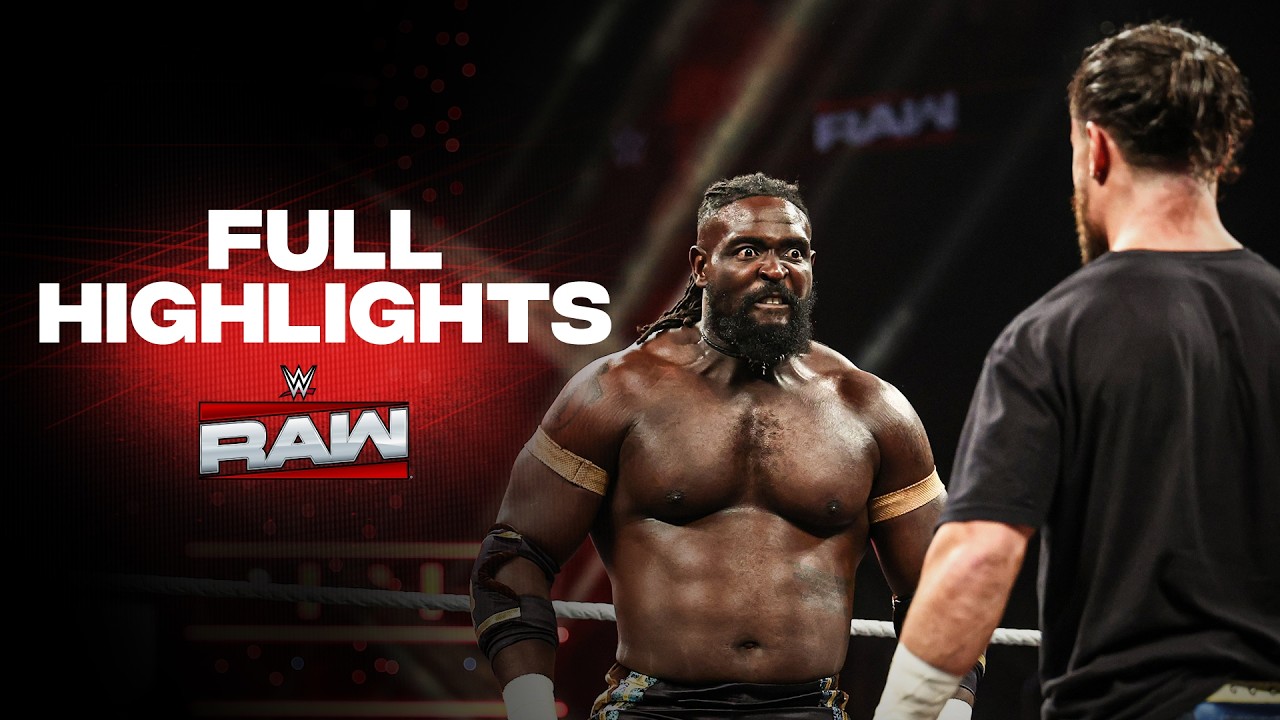
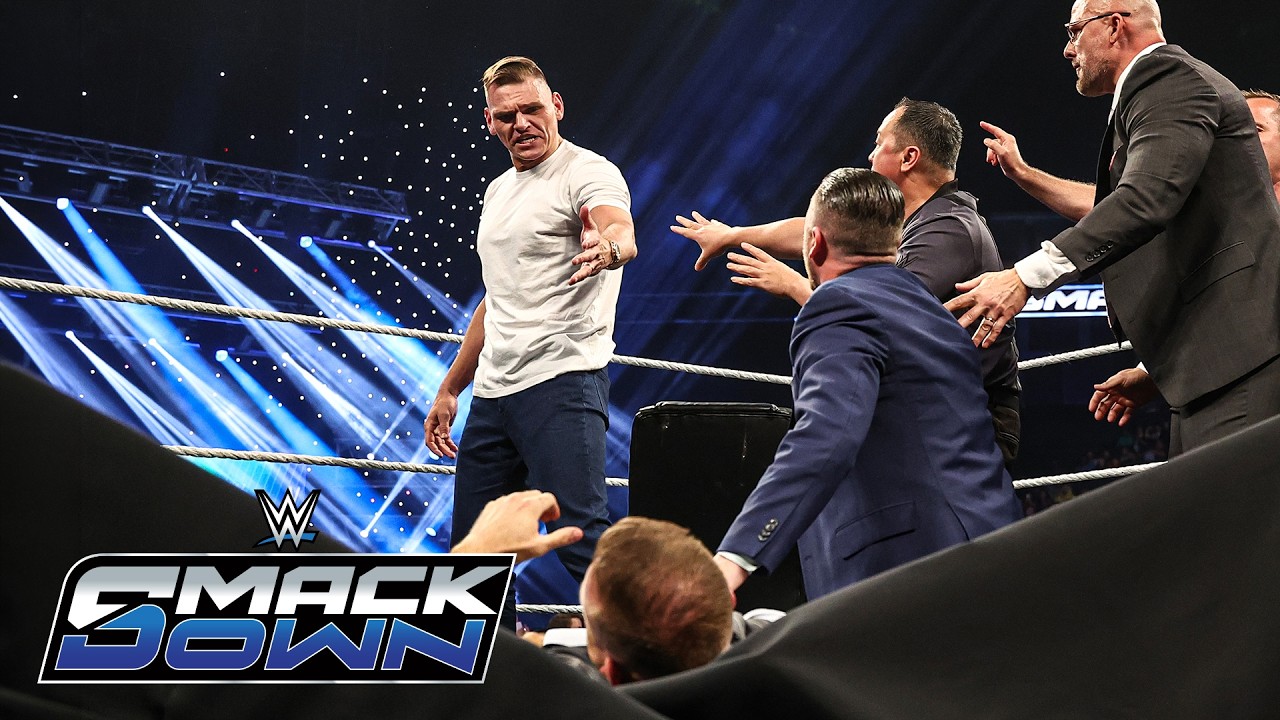
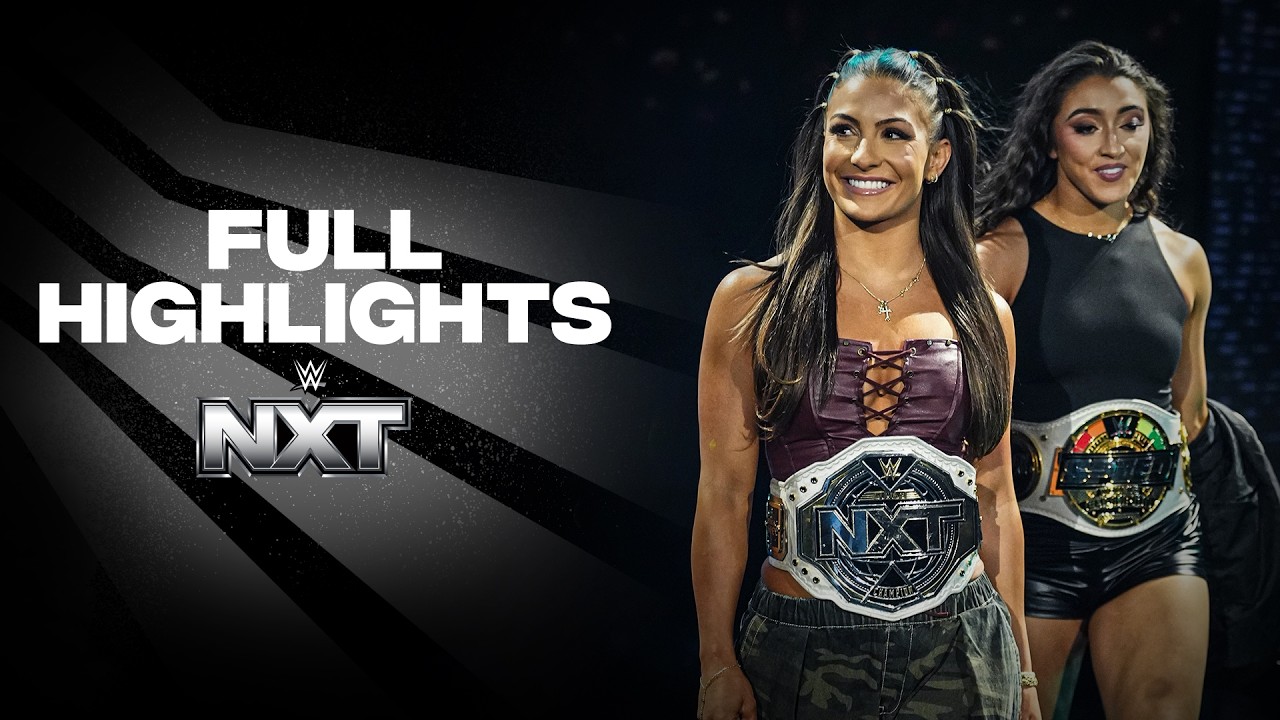 Tony D’Angelo Survives Naraku in an NXT Street Fight — Then Mike Santana Walks In
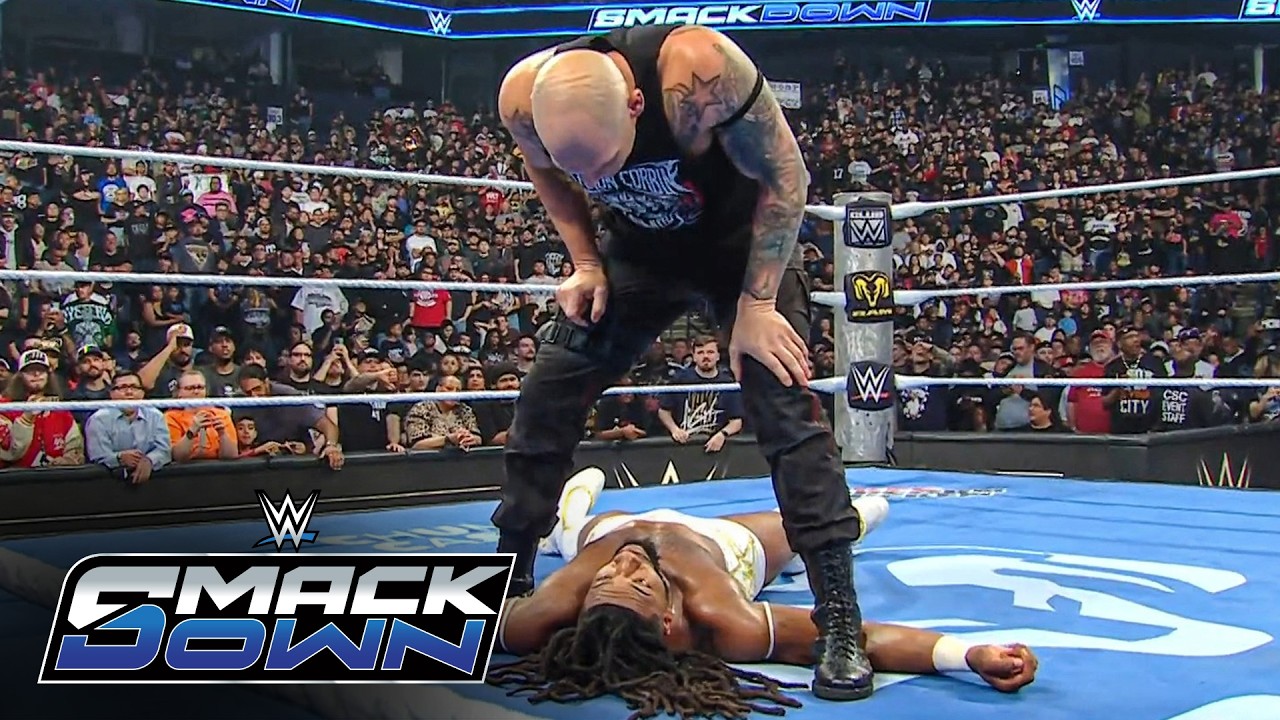 Trick Williams vs. Baron Corbin at SummerSlam: Why the U.S. Title Match Matters